


GaSta
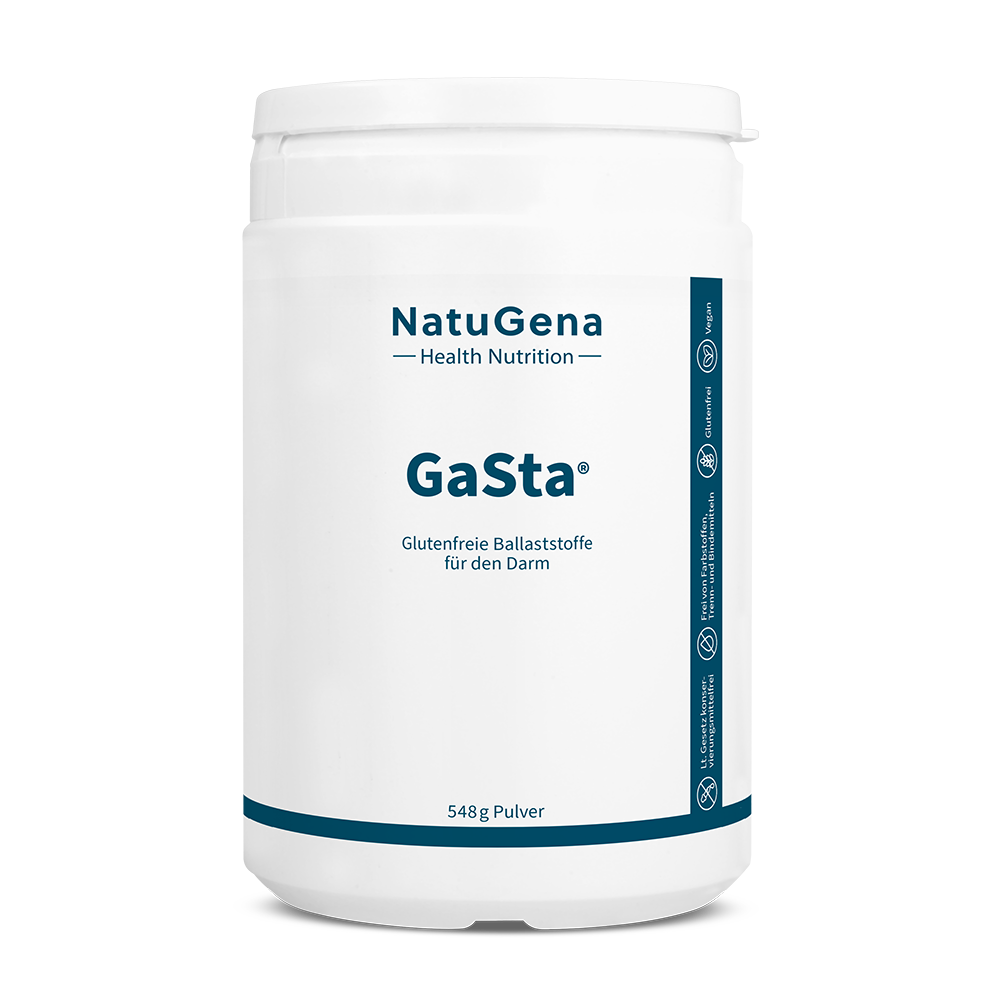
Gluten-free dietary fibre, vitamins & minerals
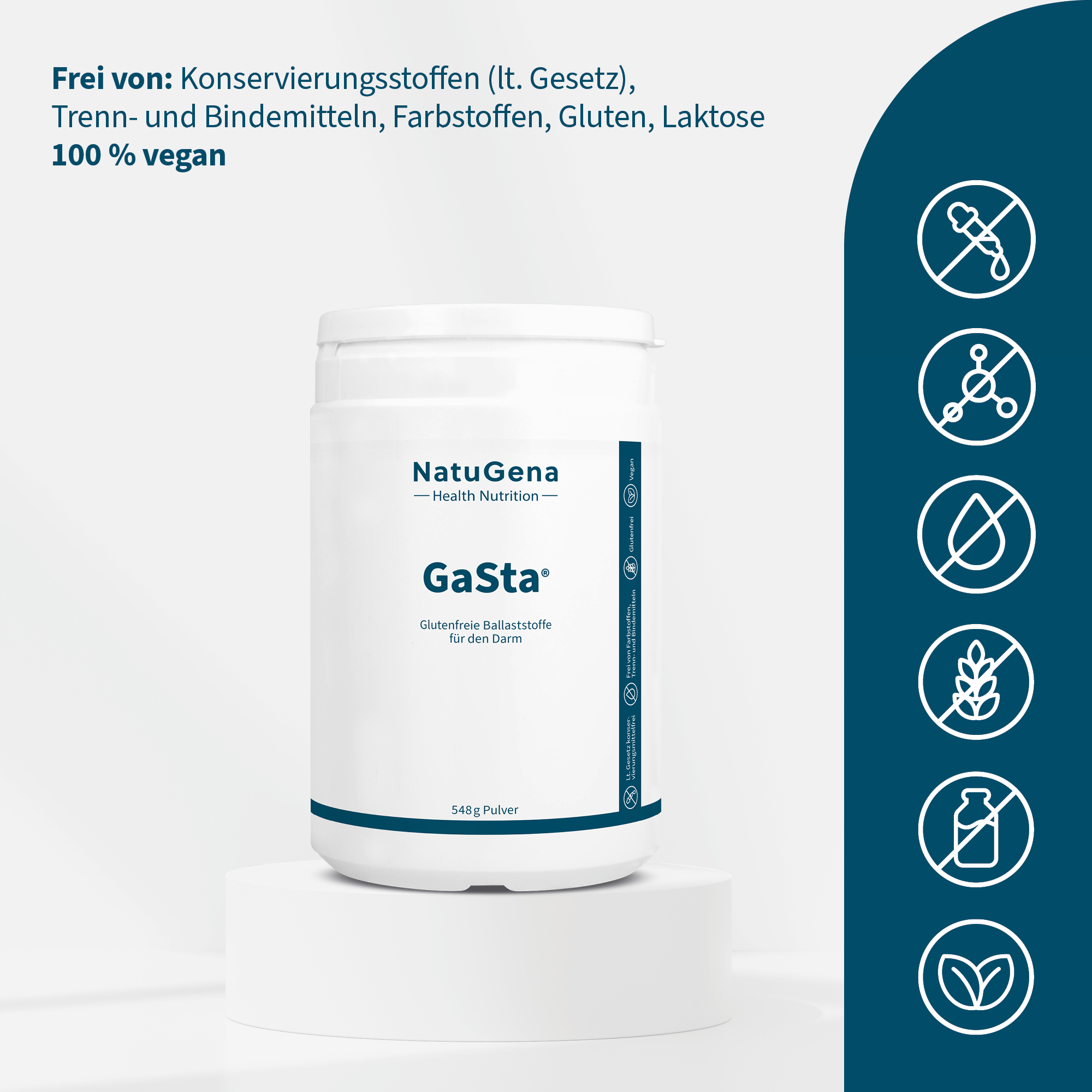
- Free of dyes
- Gluten-free
- Preservative-free as required by law
- Lactose-free
- Vegan
- Free of anti-caking and binding agents
| Price Tiers |
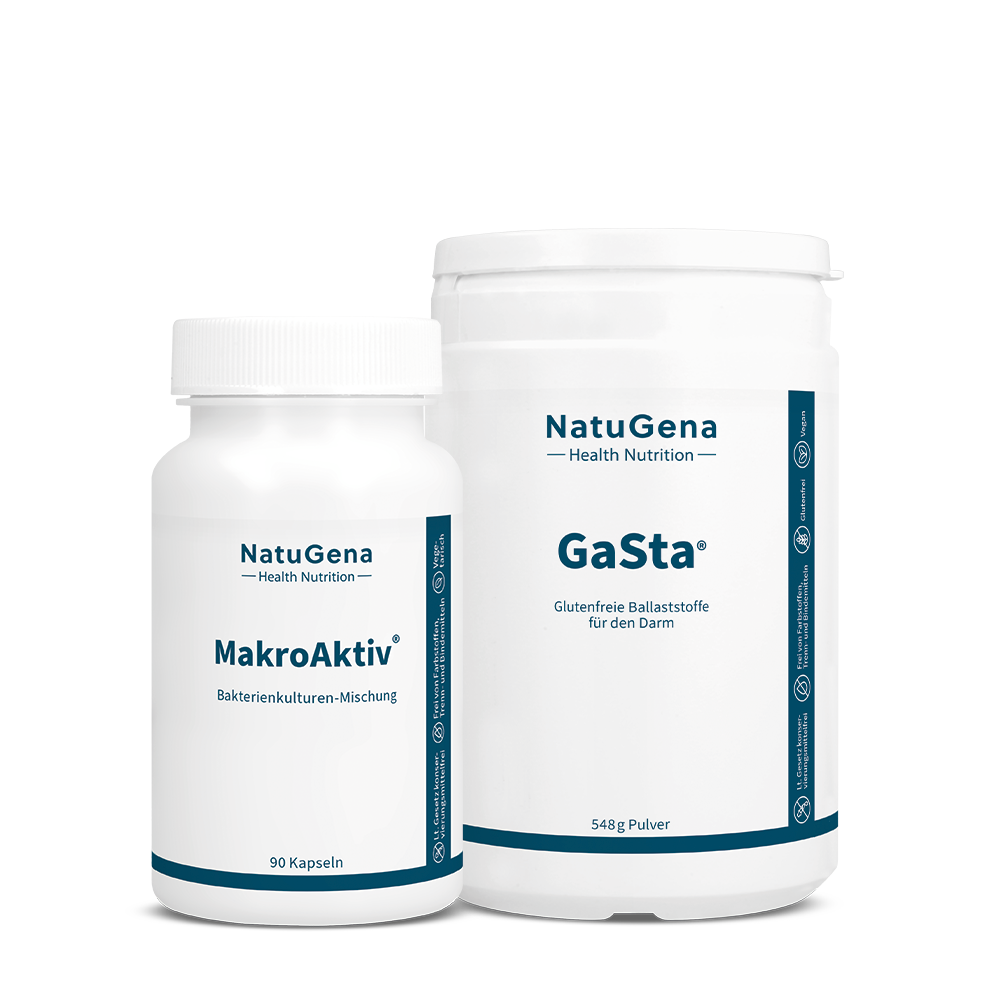
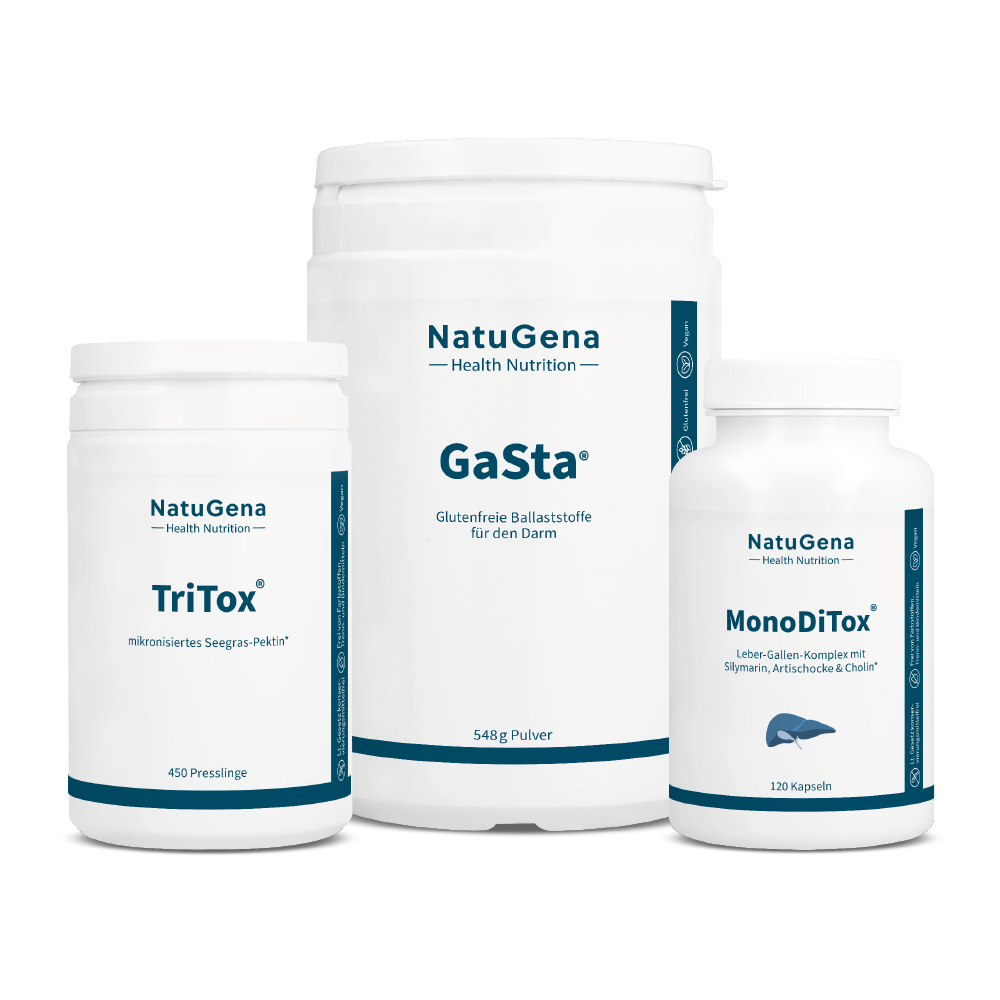
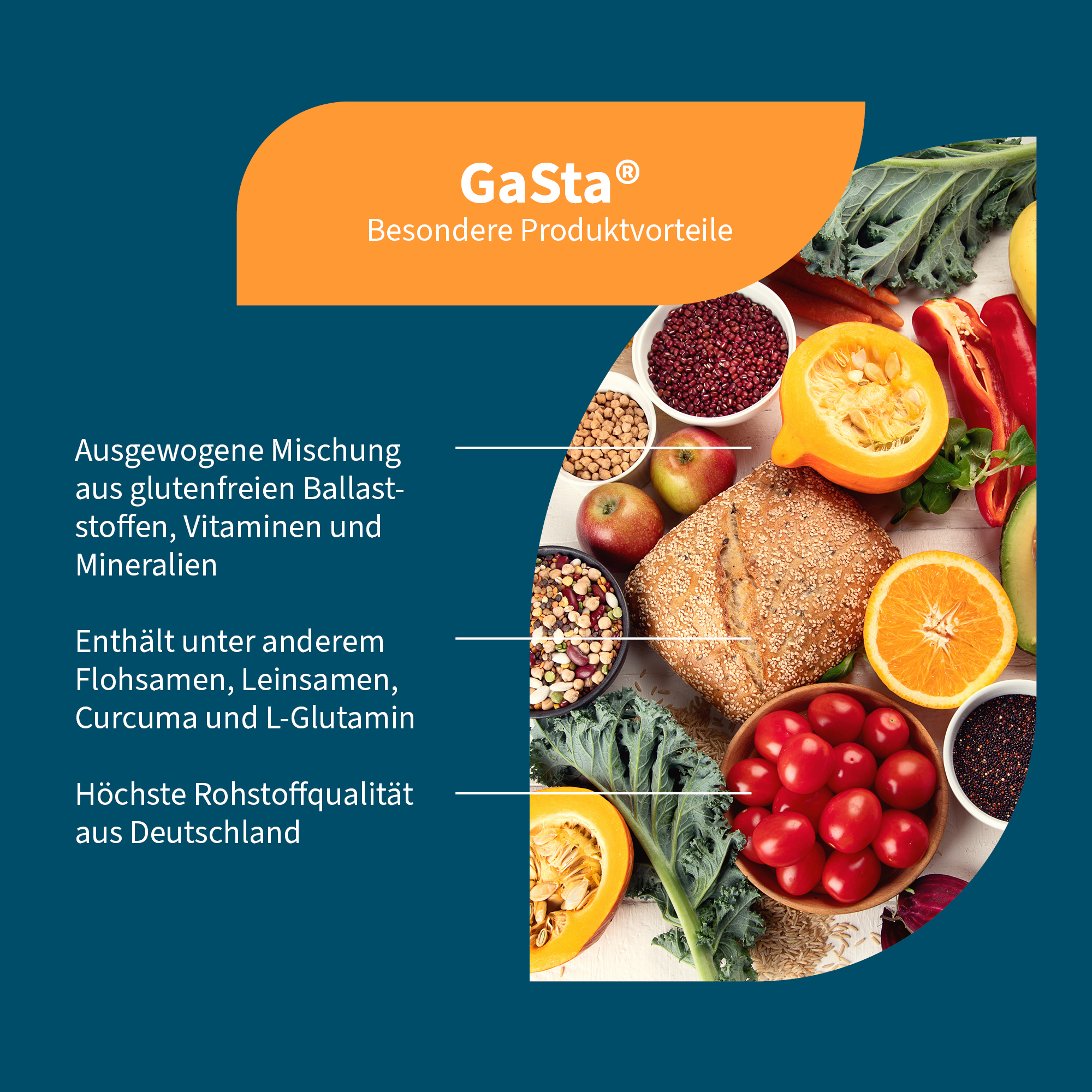
NatuGena GaSta® –Gluten-free fibre for digestive health. A high-quality food supplement with a unique blend of soluble and insoluble fibres, enriched with bioactive vitamins and organically bound minerals. Contains valuable ingredients such as L-glutamine and turmeric, along with a complete spectrum of B vitamins and naturally sourced vitamin C to support optimal nutrient absorption. 548 g of powder provides a 1-month supply.
- Organic fibre sources: Includes psyllium husks and linseeds
- Rich in omega-3 fatty acids: Linseeds are not only an excellent source of fibre but also provide essential omega-3 fatty acids which play an important role in digestion
- High water-binding ability: Psyllium husks, renowned for their exceptional water-binding properties, effectively support bowel regularity and promote digestive wellbeing
- Source of protein and amino acids: Hemp seeds deliver essential amino acids and proteins that contribute to daily nutritional needs
- With calcium and magnesium: Calcium contributes to the normal function of digestive enzymes, while magnesium contributes to normal energy-yielding metabolism
- With B vitamins: B vitamins contribute to the reduction of tiredness and fatigue and to normal energy-yielding metabolism
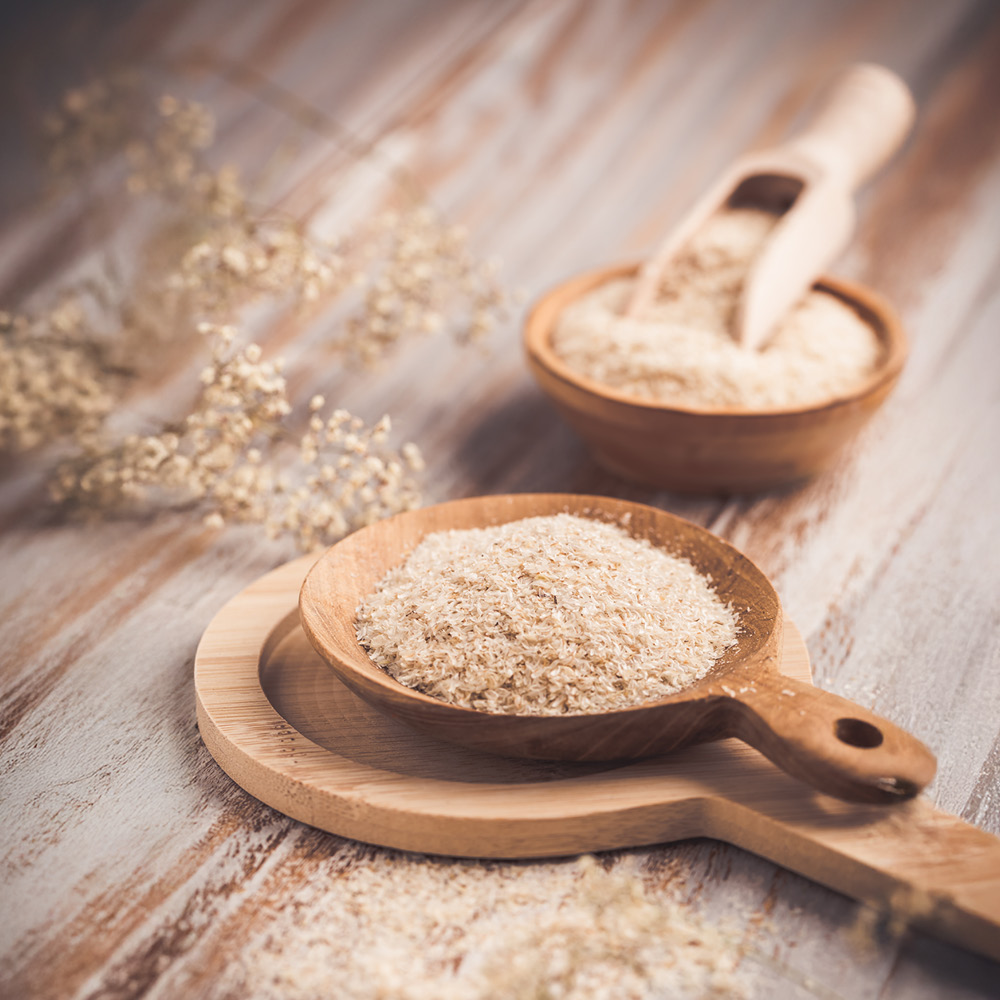
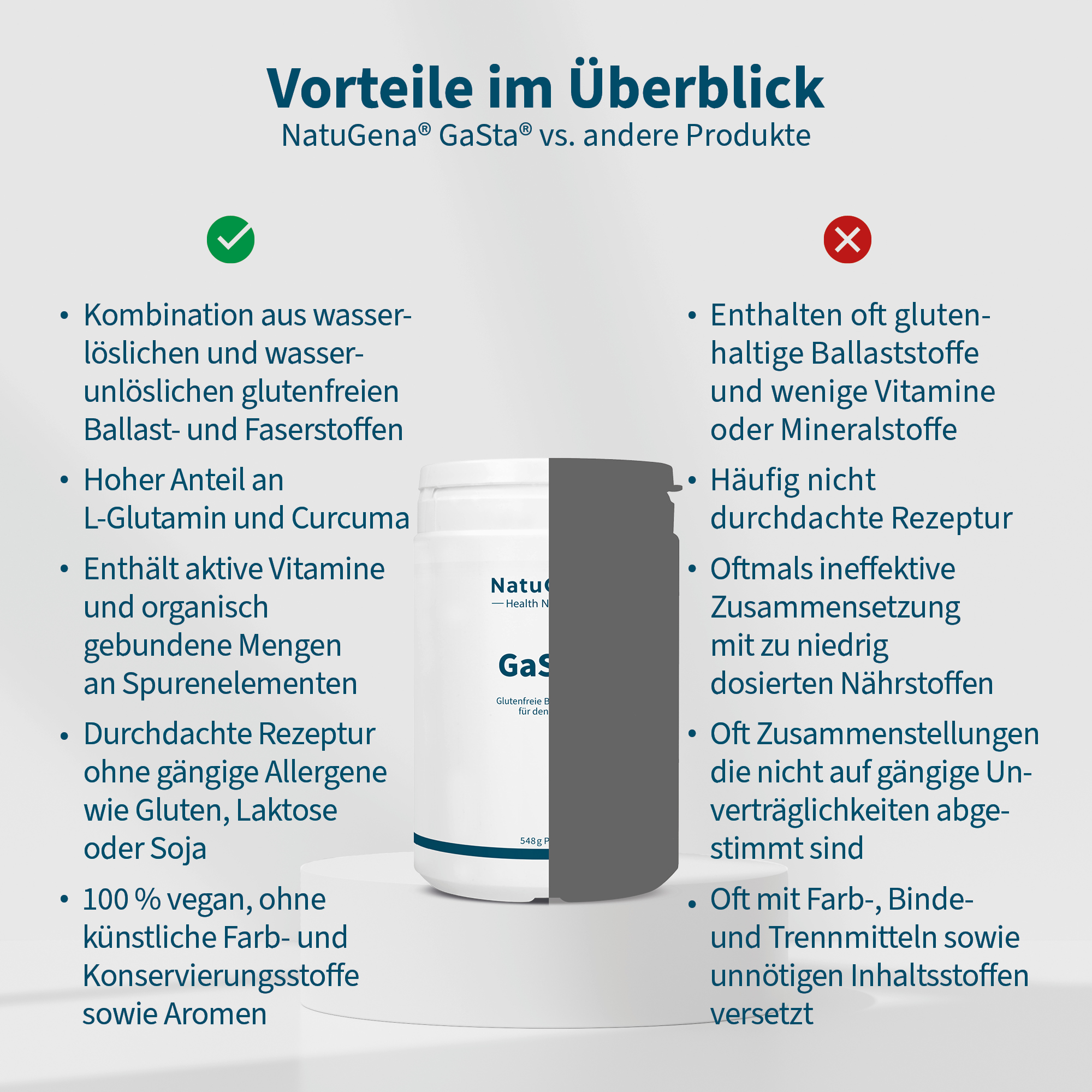
GaSta® combine water soluble and water insoluble fibres with active vitamins and organically bound macro- and trace elements. The mix of psyllium husks, linseeds, and hemp seeds serves as a valuable source of fibre, supporting digestion and satiety. This carefully curated blend of nutrients supports multiple aspects of wellbeing, aiding digestive enzyme function and normal metabolic performance.
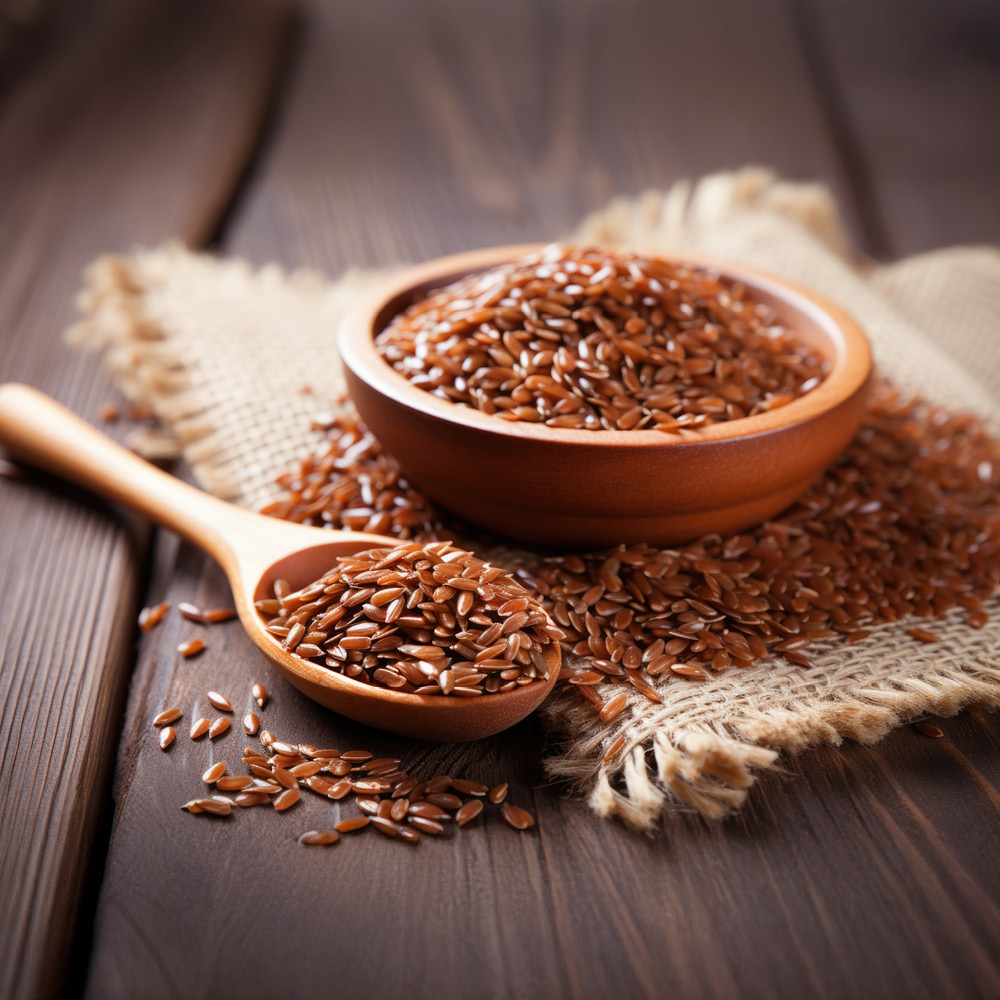
What Are Dietary Fibres?
Linseeds and psyllium husks have long been prized as natural sources of fibre. Rich in omega-3 fatty acids, linseeds support gentle digestion and have been valued since ancient times. Psyllium husks, originating from India, are well known for their impressive swelling capacity and naturally assist in regulating bowel function. Hemp seeds contribute not only protein but also essential amino acids, making GaSta® a strong ally for everyday nutritional support.
Why Are Fibres Important for Digestion?
Dietary fibre is an essential part of a balanced diet, promoting regular digestive function. It stimulates intestinal activity and helps fulfil daily fibre intake requirements. Thanks to its water-binding ability and effect on gut motility, fibre supports digestive balance. Furthermore, it plays a role in intestinal balance by contributing to a nutritionally balanced lifestyle.
How Do Minerals and Vitamins Aid Digestion?
Calcium contributes to the normal function of digestive enzymes, while magnesium supports energy-yielding metabolism. Magnesium also contributes to normal protein synthesis and electrolyte balance, both important for normal muscle function. Iron contributes to normal oxygen transport in the body, while selenium and iodine help maintain normal thyroid function. The combination of B vitamins — including B1, B2, B6, and B12 — supports the nervous system and helps combat fatigue. B vitamins also aid in protein synthesis and energy metabolism. Trace elements such as manganese, zinc, and copper contribute to the protection of cells from oxidative stress.
Quality
- No separating agents, binding agents or colourants
- Free from genetic engineering, nanoparticles and animal testing
- Hypoallergenic and sensitive formulations (e.g. free from lactose, soya and gluten where possible)
- Ultra-pure, plant-based coating agents (HPMC) and food-safe, light-protected containers
- Free from unwanted additives such as PEG, silicon dioxide, magnesium stearate & titanium dioxide
- Premium raw materials from pure substances
- Regular, independent testing for harmful substances
- Production in accordance with German quality standards (GMP, HACCP, ISO 9001)
Recommended Consumption
Consumption recommendation
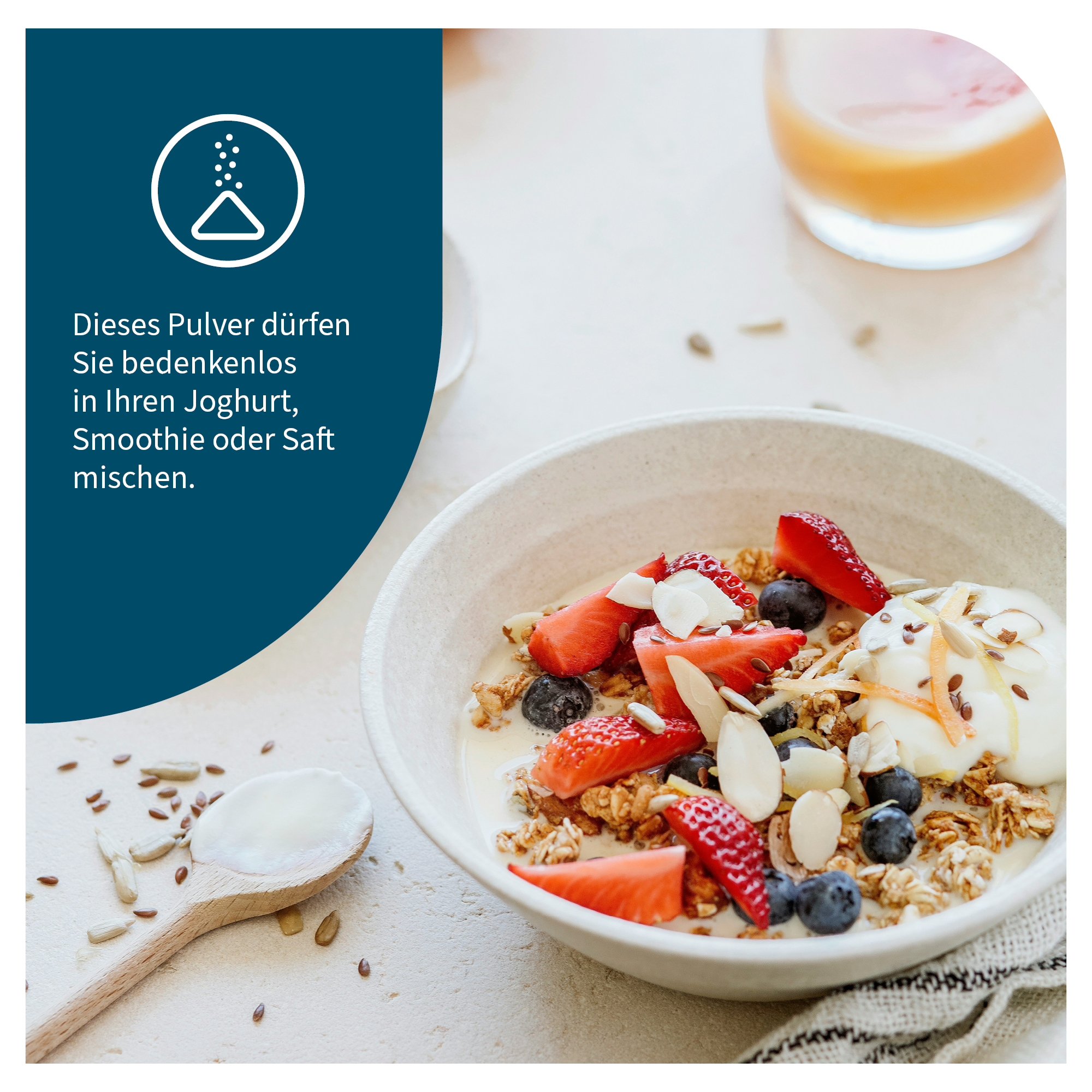
Take ⅓ measuring spoon (one measuring spoon corresponds to approx. 18 g) 3 times a day 30 minutes after a meal in an empty glass, fill with 300 ml lukewarm water (optional: ⅔ water, ⅓ apple juice), stir wellor whisk and leave to soak for at least 5 minutes. In combination with our MonoDiTox and TriTox products, Gasta® should be taken in the morning, 1 full measuring spoon, or alternatively ⅓ measuring spoon 3 times a day. The measuring spoon is included in the tin. Caution: Consumers with swallowing difficulties or insufficient fluid intake are at risk of choking.
Notes
Food supplements should not be used as a substitute for a balanced and varied diet and a healthy lifestyle. Keep out of reach of small children. Store closed, in a cool, dry place away from light. Do not exceed the recommended daily intake stated.
Content
| Ingredients per | Daily dose (1 scoop) | NRV¹ |
|---|---|---|
| Psyllium husk | 3 g | |
| Flaxseed hulls | 3 g | |
| Other fibre | 7 g | |
| Acerola cherry | 400 mg | |
| - of which vitamin C | 100 mg | 125 |
| Calcium | 220 mg | 28 |
| Curcuma | 500 mg | |
| Iron II | 6 mg | 43 |
| Iodine (Fingertang- Extract) | 30 μg | 20 |
| Potassium | 700 mg | 35 |
| L-Glutamine | 1000 mg | |
| Manganese | 0,6 mg | 30 |
| Magnesium | 200 mg | 53 |
| Molybdenum | 25 μg | 50 |
| Selenium | 25 μg | 46 |
| Silicon | 75 mg | |
| Vitamin B1 (Thiamine) | 0,8 mg | 73 |
| Vitamin B2 (Riboflavin) | 1,4 mg | 100 |
| Vitamin B3 (Niacin) | 23 mg | 144 |
| Vitamin B5 (pantothenic acid) | 3 mg | 50 |
| Vitamin B6 (P5P) | 3 mg | 214 |
| Vitamin B7 (biotin) | 20 μg | 40 |
| Vitamin B9 Folic Acid (5- MTHF) | 55 μg | 28 |
| Vitamin B12 (Methylcobalamin) | 10 μg | 400 |
| Zinc | 3 mg | 31 |
1 Reference intakes for the average adult according to VO (EU) 1169/2011 (in %).
Composition
Flaxseed meal (organic), psyllium seed powder, hemp protein, oat meal (organic, gluten-free), potassium citrate, magnesium citrate, calcium citrate, L-glutamine, inulin, cocoa fibre, curcuma powder, acerola extract, citrus pectin, apple pectin, bamboo extract, prickly pear extract, Niacin, Iron II, Zinc Sulphate, Selenium Methionine, Pantothenate, Pyridoxal-5-Phosphate, Manganese II, Riboflavin, Thiamine Hydrochloride, Methylcobalamin, Methyltetrahydrofolate, Sodium Molybdate, Finger Kelp Extract, Biotin
Blog Articles

Bitter Compounds: Rediscovering the Power of Ancient Plants
Bitter Compounds: Rediscovering the Power of Ancient Plants. Bitter compounds are an almost forgotten gift from nature. For centuries, they were an integral part of our diet and helped maintain a healthy balance between digestion and metabolism. Today, we are rediscovering bitter compounds—as a natural aid for digestion, liver function, balanced metabolic activity, and appetite regulation.
Read more
Gut-Skin Axis: Healthy Interaction Between the Gut and Skin
FAQ
In addition to psyllium husks and flaxseed husks, Gasta contains other high-fiber ingredients, including hemp protein, oat bran, inulin, citrus pectin, cocoa fiber, apple pectin, and prickly pear extract.
Each serving contains 0.5 g of inulin.
We work with the independent laboratory AgroLab, which we commission to perform microbiological and heavy metal tests.
In our microbiological testing, we measure the aerobic mesophilic plate count (total plate count), as well as the levels of Escherichia coli (E. coli), yeasts, Salmonella, molds, and staphylococci.
For heavy metals, we test for arsenic, lead, cadmium, and mercury in accordance with the limit values specified in Regulation (EU) 2023/915.
The optimal duration of use depends on the specific nutrient, your initial situation, diet, and individual requirements.
There is therefore no one-size-fits-all recommendation for how long a product should be taken. For products intended to support nutrient intake over a longer period, use over several weeks to months may be appropriate. In many cases, a period of around three months may be suitable before nutrient status and further requirements are reassessed.
In the case of diagnosed deficiencies, medical conditions, or the use of medication, the use of supplements should be individually discussed with a doctor or qualified healthcare professional.
The optimal time to take a supplement depends on the specific nutrient, individual tolerance, and the composition of the product. However, some ingredients can be particularly well suited to certain times of day or meals.
In the morning
Stimulating ingredients are often preferably taken in the morning or during the first half of the day. These include, for example:
- Coenzyme Q10
- Green tea extract
- Certain B vitamins
Especially for sensitive individuals, it may be advisable to avoid taking stimulating ingredients immediately before bedtime.
Throughout the day
For some nutrients, it may be beneficial to divide the daily amount into several doses.
Water-soluble vitamins such as B vitamins and vitamin C can be taken throughout the day.
Magnesium can also be divided into several doses rather than taking the entire daily amount at once. This may improve tolerance, particularly with higher amounts.
In the evening
Depending on the type of magnesium compound, taking it in the evening may be beneficial. Magnesium glycinate, for example, is often preferably taken in the evening.
In general, however, the best time to take a product also depends on when it is individually best tolerated and can be reliably incorporated into your daily routine.
With a meal
Some nutrients benefit from being taken together with a meal.
Fat-soluble vitamins A, D, E, and K can be taken together and ideally with a meal containing some fat.
Omega-3 fatty acids should also be taken regularly with a meal. Omega-3 oils can be combined well with fat-soluble vitamins.
Many plant-based ingredients can also be taken as part of a meal or together with omega-3 products. However, the optimal timing depends on the specific plant compound and product formulation.
Zinc can cause nausea or stomach discomfort on an empty stomach in some people. If you have a sensitive stomach, it is therefore advisable to take zinc with a meal.
Between meals
Iron is often taken separately from meals, as various foods and beverages can affect its absorption. It is particularly advisable to leave a gap between iron and:
- Coffee and tea
- Caffeinated beverages
- Milk and dairy products
- Calcium- or mineral-rich supplements
However, if you have a sensitive stomach, iron can also be taken with a meal. In this case, individual tolerance is more important than a theoretically optimal intake situation.
Enzyme supplements vary depending on their intended use: digestive enzymes are generally taken with meals. Products that are specifically intended to be taken between meals may, for example, be taken around 30 minutes before a meal. The product's specific recommended intake should always be followed.
Around exercise
Proteins and amino acids can be taken both before and after training.
If you exercise on an empty stomach, taking them around 30 minutes before training may be beneficial. If you have already eaten a protein-rich meal, you can also plan your protein intake for after training.
In general, ensuring sufficient protein intake throughout the entire day is more important than adhering to a narrow time window around your workout.
If you need this item on a long-term basis and are interested in a discounted subscription, you can find the terms and conditions on the Product Subscription page.
Country-specific information
This item may not be resold in the following countries: Switzerland
Responsible person for the EU
The economic operator based in the EU responsible for this product:
NatuGena GmbH, Münchener Str. 149, 85051 Ingolstadt, Germany,
+49 841 90 255 000, info@natugena.de, https://www.natugena.de

You May Also Be Interested in These Articles
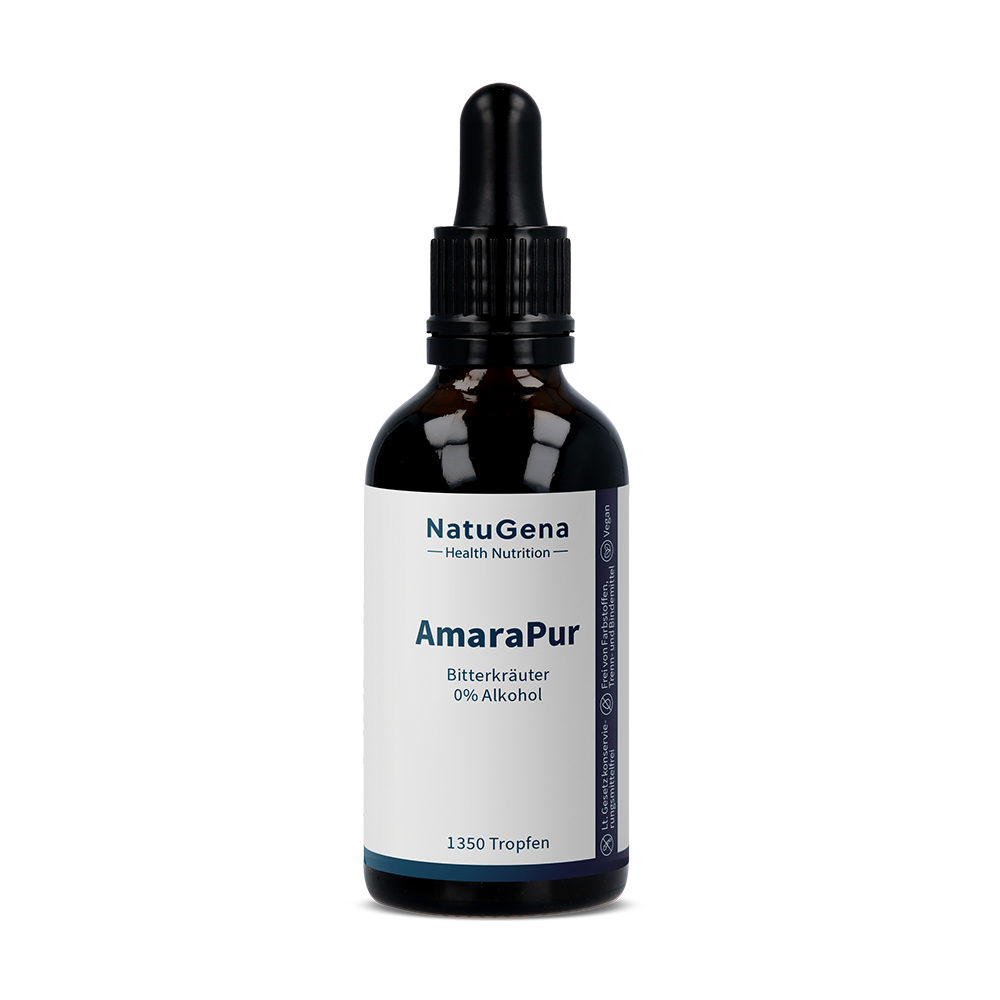
AmaraPur
Bitter Herb Tincture 0% alcohol
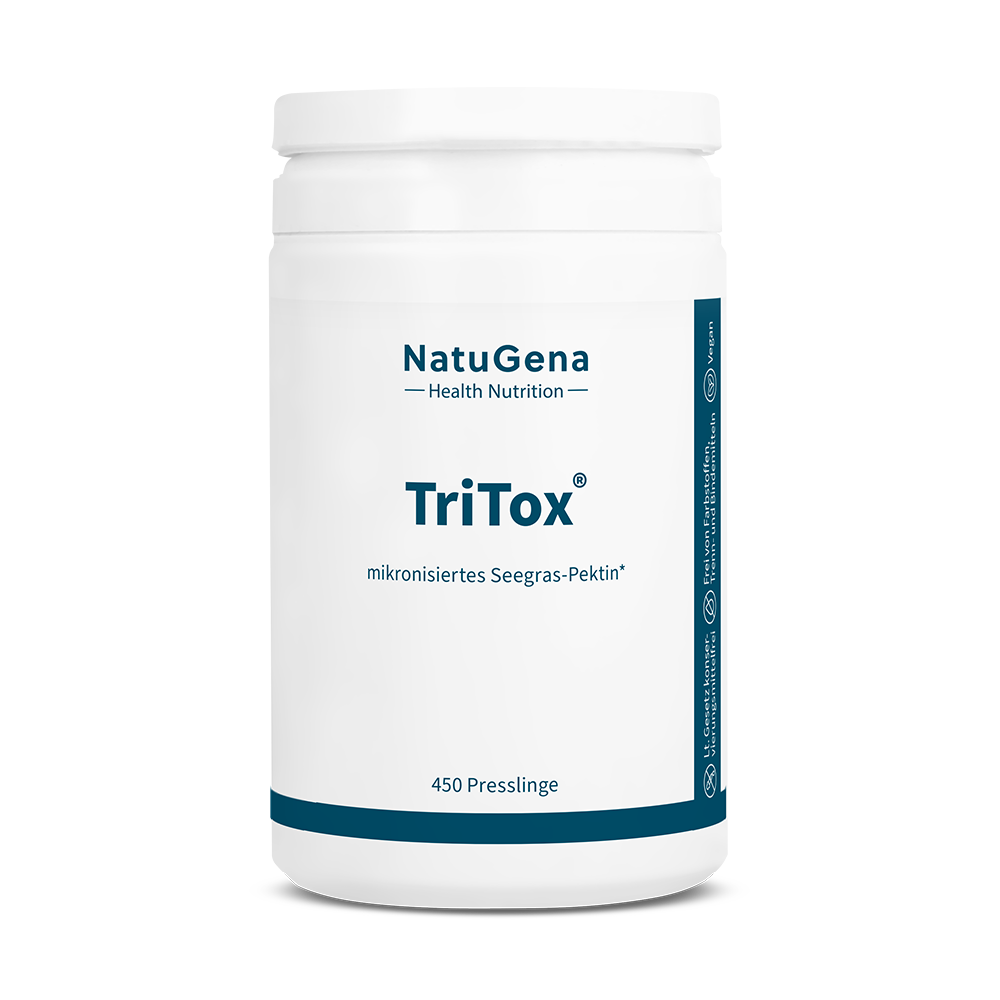
TriTox®
Chlorella pyrenoidosa, Chlorella vulgaris & seaweed pectin
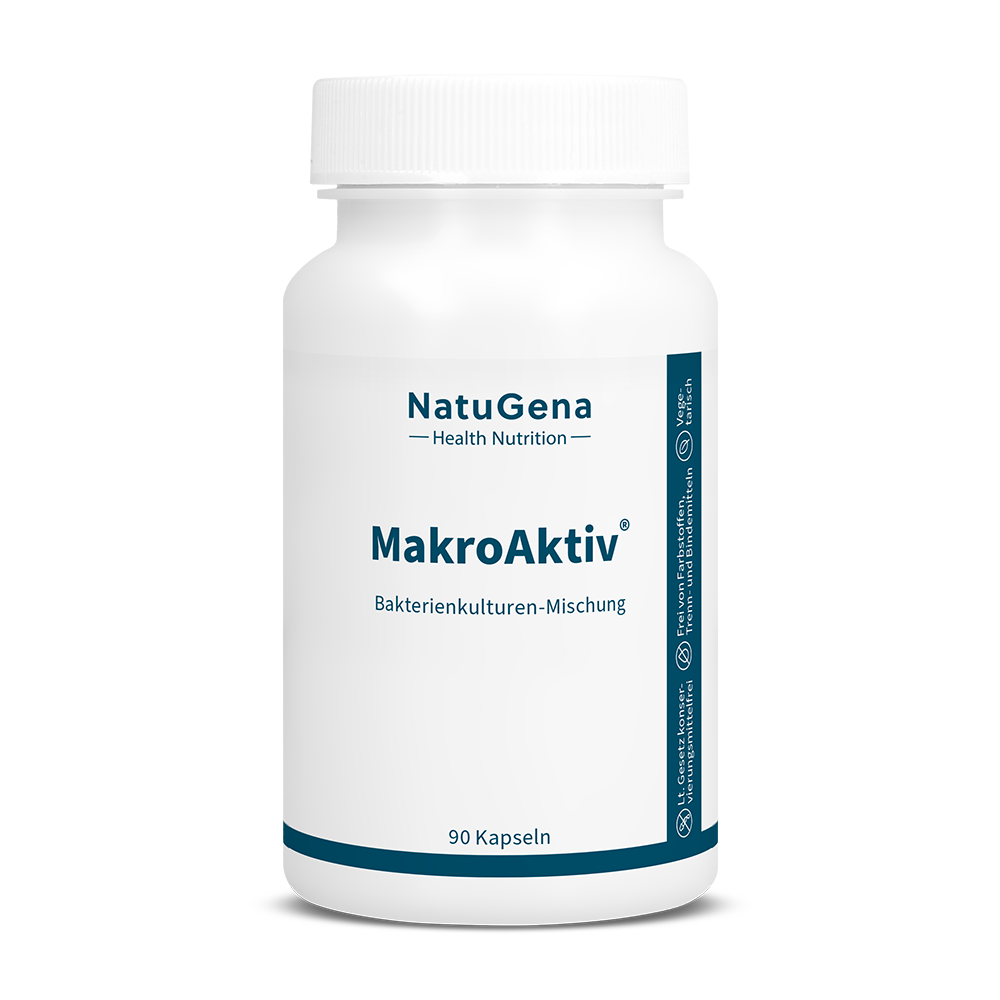
MakroActive
Colostrum & bacterial culture mixture in gastro-resistant capsule
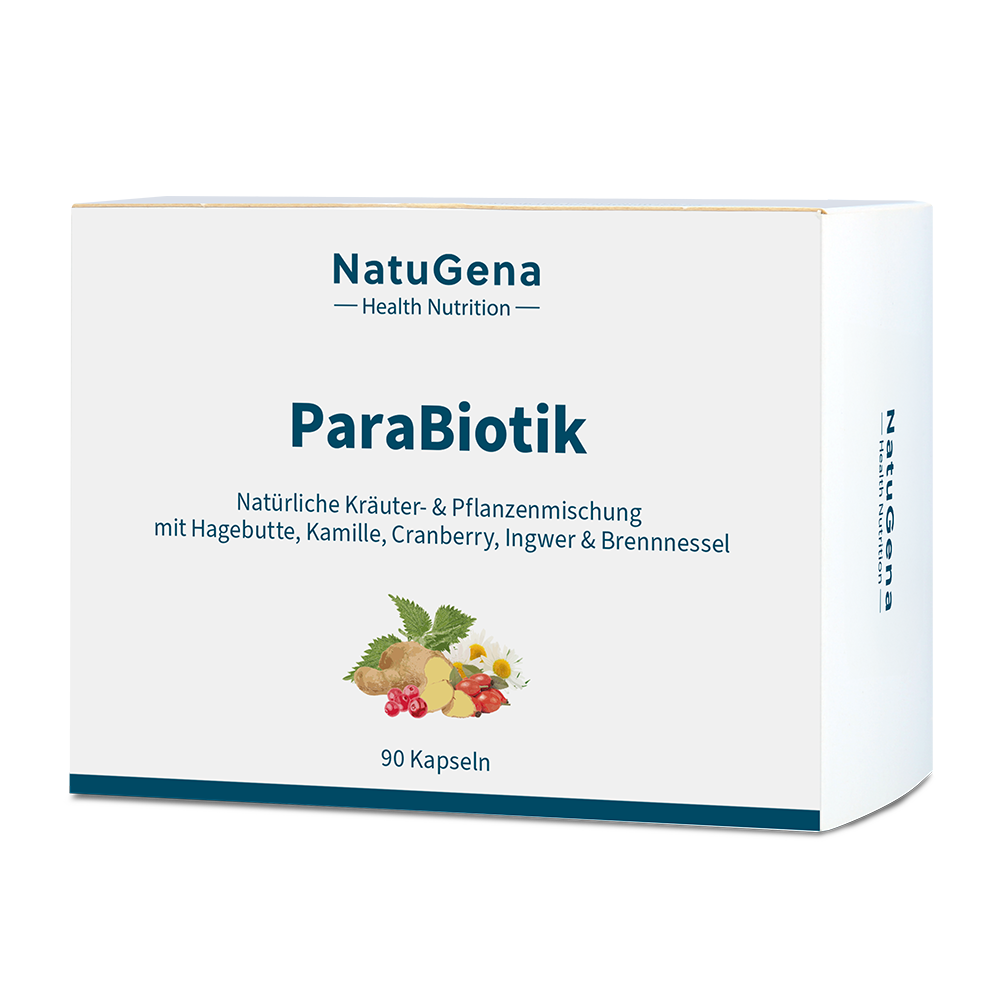
ParaBiotics
High-dose herbal blend
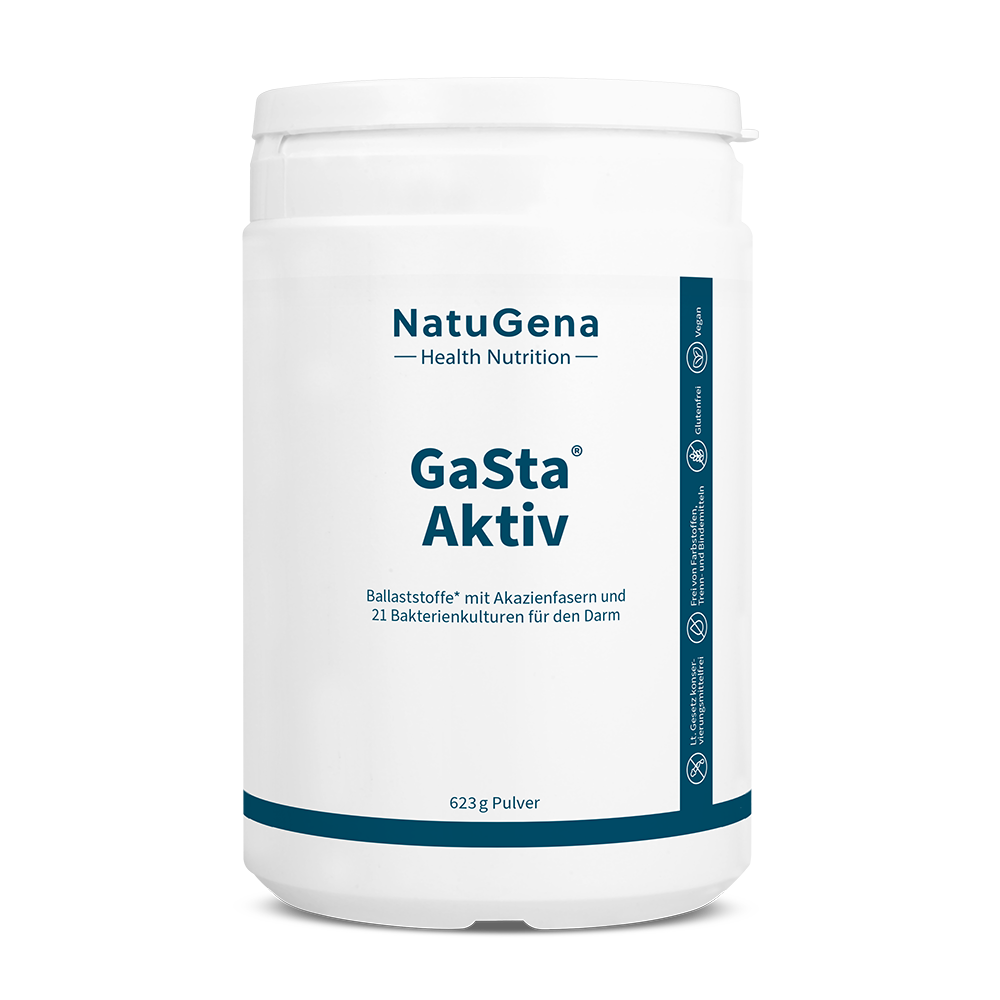
GaSta Active
Gluten-free dietary fibre, bacteria, vitamins & minerals
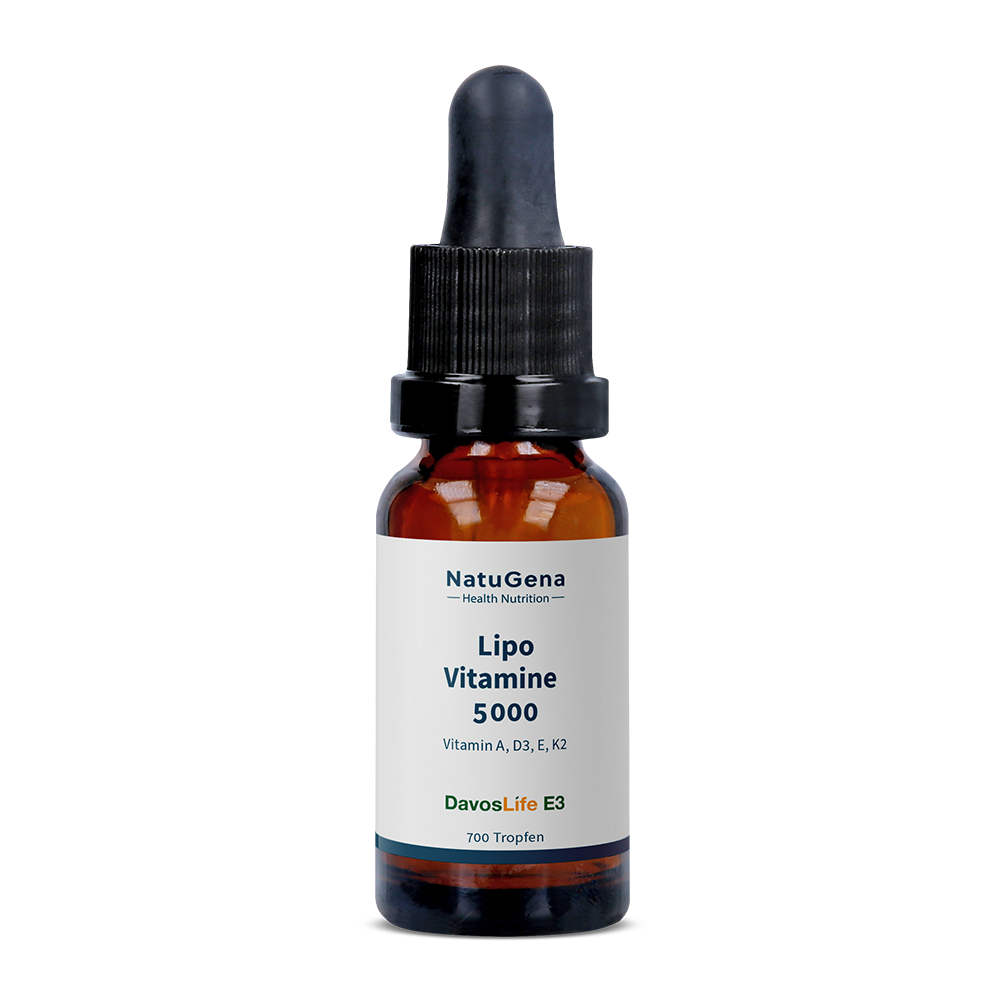
LipoVitamine 5000
Vitamin D3, E, K, A
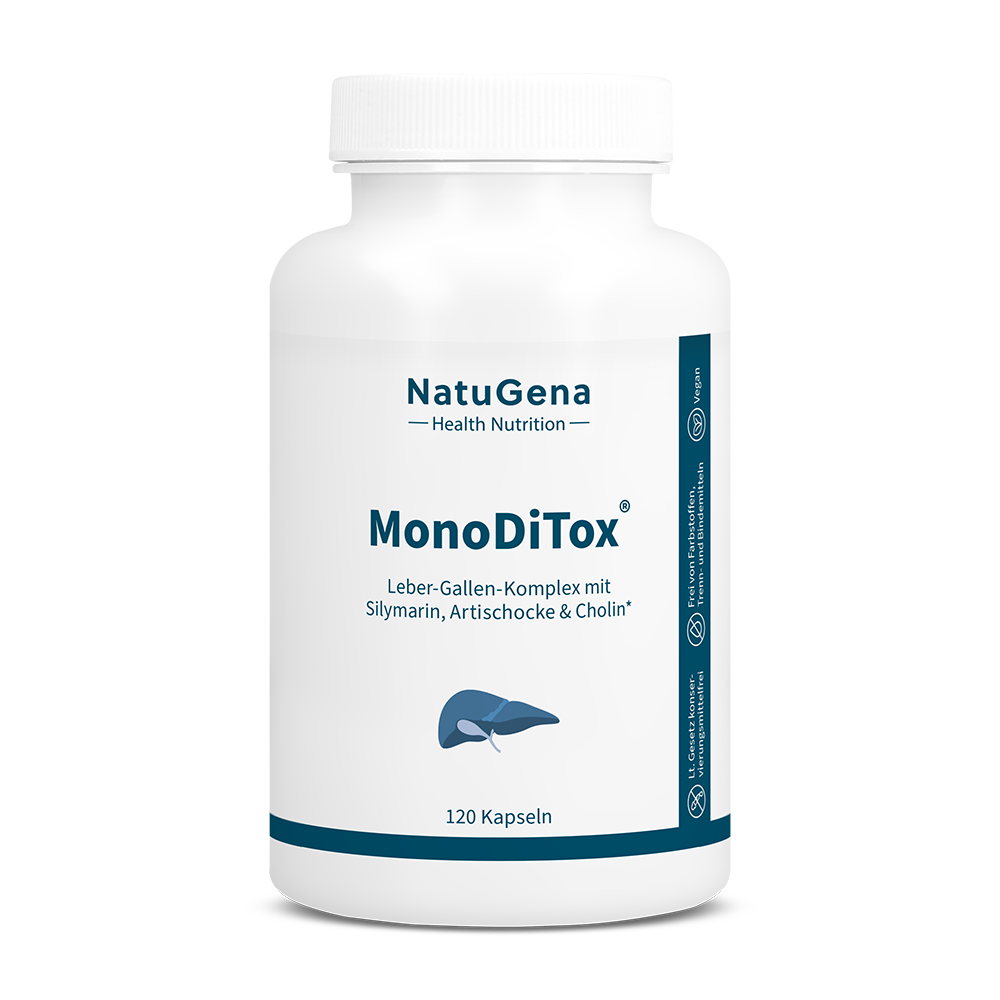
MonoDiTox
Cholin, artichoke, milk thistle, dandelion & nettle

Alarm im Darm
Mythos Reizdarm – was Ihrer Verdauung wirklich hilft