
24.08.2026 Dr. Stephan Barth
Gut-Skin Axis: Healthy Interaction Between the Gut and Skin
The Gut–Skin Axis: How Gut Health Can Influence the Skin and How Both Gut and Skin Can Benefit
Our body does not function like a collection of independent individual parts. Rather, the heart, brain, gut, liver, muscles, immune system, and skin work together like members of a large network. They continuously exchange information, respond to one another, and adapt their activity to the situation at hand.
Part of this communication takes place via nerve fibers. Another part occurs through hormones, immune signaling molecules, or metabolic products that are transported throughout the body via the bloodstream. Even the smallest molecules produced by our gut bacteria can reach distant organs in this way and influence biological processes there.
Health, therefore, does not originate in a single organ. It is the result of successful cooperation among the networks within our body.
Why Our Body Communicates Through “Axes”
To make these complex relationships easier to understand, scientists refer to so-called organ axes. One of the best known is the gut–brain axis. It describes the bidirectional communication between the digestive system, the gut microbiome, the nervous system, and the brain.
However, the gut is also closely connected to other organs. These include the gut–liver axis, gut–muscle axis, gut–lung axis, and the increasingly intensively researched gut–skin axis [1].
The term “axis” should not be understood as a single pathway. Rather, it refers to a communication network consisting of several parallel routes. These include:
- nerve connections,
- hormones,
- immune cells and inflammatory signaling molecules,
- metabolic products produced by gut bacteria,
- nutrients and vitamins,
as well as signals indicating the condition of our natural protective barriers.
Importantly, this communication works in both directions. The gut can influence the skin, while skin inflammation, stress, or changes in the skin barrier can, in turn, affect the immune and nervous systems.
Healthy Skin Is About Much More Than Skincare
The skin is often perceived primarily as the body’s outer covering. In reality, it is one of our most versatile organs.
It protects us against pathogens, pollutants, UV radiation, and excessive water loss. It regulates body temperature, contributes to vitamin D production, and contains millions of receptors that allow us to perceive touch, heat, cold, pressure, and pain.
In addition, the skin is an important immune organ. It contains specialized immune cells that constantly monitor whether external threats are present. At the same time, the immune system must learn to tolerate harmless stimuli. An excessive response would be just as problematic as an insufficient immune defense.
The skin also has its own microbiome: a community of bacteria, fungi, viruses, and other microorganisms. These microbes are not inherently harmful. Many of them help stabilize the skin’s mildly acidic environment, suppress pathogens, and support the skin barrier.
Healthy skin, therefore, is not germ-free. It is ecologically balanced.
What Does the Gut Have to Do With the Skin?
The gut contains the largest and most diverse microbial community in our body. The gut microbiome contributes to digestion, trains the immune system, influences metabolism, and produces numerous biologically active substances.
Among the most important are short-chain fatty acids such as butyrate, propionate, and acetate. They are produced primarily when gut bacteria ferment soluble fiber. These metabolites serve as an energy source for cells in the intestinal lining, strengthen the gut barrier, and help regulate the immune system.
Some of these microbial substances can also reach other tissues through the bloodstream. There, they influence inflammatory processes, the maturation of immune cells, and potentially the function of the skin barrier.
The gut–skin axis therefore connects three key systems:
- the gut barrier,
- the immune system,
- the skin barrier.
When these systems are stable, microbial components largely remain where they belong and inflammatory responses remain controlled. If this balance is disrupted, signals can arise between the skin and gut that may have effects throughout the body.
Leaky Gut & Co. – When the Gut Barrier Is Compromised
The intestinal lining consists of only a very thin layer of cells. Nevertheless, it must perform two seemingly contradictory tasks: it must absorb nutrients while simultaneously keeping bacteria, toxins, and larger unwanted molecules out.
To accomplish this, intestinal cells are connected by specialized structures known as tight junctions. These connections function like adjustable gates.
Chronic stress, certain medications, infections, alcohol, smoking, a diet very low in fiber, or persistently unfavorable eating habits can impair the gut barrier. Changes in the microbiome, often referred to as dysbiosis, may also play a role.
If the barrier becomes more permeable, microbial components can increasingly come into contact with the immune system. In research, this is referred to as “leaky gut,” meaning that the intestinal barrier becomes more permeable. However, this does not automatically mean that a disease will develop. It may, however, increase susceptibility to low-grade inflammatory responses.
Such systemic inflammatory signals could theoretically also reach the skin. There, they may influence the local immune response, sebum production, regeneration of the skin barrier, and the skin’s ability to cope with oxidative stress.
When the Gut–Skin Axis Contributes to Skin Problems
The connection between the gut, immune system, and skin becomes particularly apparent in inflammatory skin diseases. It is being investigated in conditions including atopic dermatitis, acne, rosacea, psoriasis, and chronic wound-healing disorders [2].
In some affected individuals, changes in the gut microbiome can be observed. The diversity of the bacterial community or the abundance of certain bacterial groups often differs from that of healthy control subjects.
However, this alone does not prove that an altered microbiome causes the disease. The disease itself, medications, dietary habits, or stress can also alter the gut microbiota. In many cases, there is therefore likely to be a complex interplay.
In atopic dermatitis, for example, disruption of the skin barrier is a central factor. At the same time, the immune system reacts excessively to environmental stimuli that are actually harmless. Since the gut microbiome plays a major role in the maturation and regulation of the immune system, researchers are investigating whether early microbial influences may affect the risk of developing the condition later in life.
In acne, sebum production, keratinization, hormones, local skin bacteria, and inflammation all interact. A diet very high in sugar and with a high glycemic load may promote processes via insulin and the growth factor IGF-1 that affect sebaceous gland activity and keratinization. This demonstrates that diet can influence the skin not only through the microbiome but also directly through hormonal signaling pathways.
Psoriasis is a systemic inflammatory disease. The visible skin changes represent only one part of the condition. Metabolism, blood vessels, joints, and the gut may also be involved. The axis concept therefore helps explain why a skin disease should not always be viewed solely as a local condition.
Stress Connects the Brain, Gut Microbiota, Gut, and Skin
Stress plays a particularly important role. Acute stress is initially a normal adaptive response. It becomes problematic when strain persists over long periods and there are insufficient opportunities for recovery.
Stress hormones can alter intestinal motility, blood flow, mucus production, and the composition of the gut environment. At the same time, stress affects the skin barrier, sebum production, wound healing, and inflammatory responses [3].
Many people notice that their skin problems worsen during stressful periods of life. This is not imaginary. The mind, gut, and skin are biologically connected through neural, hormonal, and immune signals.
Strictly speaking, therefore, this is not merely a gut–skin axis, but rather a gut–brain–skin network.
“Beauty From Within” – More Than Skincare From the Inside
The idea of supporting the skin from within is not new. What is new, however, is our growing understanding of the underlying mechanisms and the central role that gut health plays in them.
Skin cells are continuously renewed. They require energy, amino acids, fatty acids, vitamins, minerals, and antioxidant defense systems. At the same time, the skin must remain adequately hydrated and must build or maintain structurally intact proteins such as collagen and elastin.
“Beauty from within” therefore does not mean that a single food or supplement can make wrinkles disappear or dramatically improve the appearance of the skin. Rather, it describes the idea that skin health is influenced by our overall lifestyle—including diet, sleep, exercise, stress management, UV protection, and avoiding smoking.
Cosmetics primarily act from the outside. Nutrition provides building blocks and regulatory signals from within that contribute to skin health. The two approaches can complement each other effectively.
Vitamins, Probiotics & Co. – Which Nutrients Support Skin Health?
A skin-friendly diet does not begin with exotic active ingredients, but with a generally high-quality diet [4].
Vegetables, fruit, legumes, whole grains, nuts, and seeds provide fiber, vitamins, minerals, and bioactive plant compounds. Fiber also feeds the gut bacteria that produce short-chain fatty acids.
Colorful plant foods contain polyphenols and carotenoids. These compounds can support antioxidant defense systems and influence cellular signaling pathways. Carotenoids such as beta-carotene, lycopene, and lutein are particularly interesting because they can accumulate in the skin to some extent.
Protein provides amino acids for skin structure, enzymes, and repair processes. Vitamin C is required for normal collagen formation. Zinc contributes to the maintenance of normal skin and is involved in cell division and wound healing. Selenium and vitamins C and E help protect cells from oxidative stress [5].
Essential and polyunsaturated fatty acids are also important. Omega-3 fatty acids can influence inflammation-regulating signaling molecules and are components of cell membranes. Good sources include oily sea fish, while plant-based omega-3 fatty acids can be found, for example, in flaxseed, rapeseed, and walnut oils.
Fermented foods such as yogurt, kefir, sauerkraut, or kimchi can provide live microorganisms (e.g., Lactobacillus) and their metabolic products. However, they are not a guaranteed “microbiome booster.” What matters most is the overall dietary pattern—particularly the regular consumption of a diverse range of plant-based foods.
Can Dietary Supplements Influence the Skin?
Dietary supplements can be a useful addition to a skin-healthy diet when certain dietary patterns are unable to fully meet nutritional requirements or when individual circumstances result in higher nutritional needs.
As described above, nutrients that may be relevant to skin health include vitamin C, vitamin D, zinc, selenium, biotin, niacin, riboflavin, copper, and certain fatty acids. However, their effects depend on whether an actual deficiency or inadequate intake exists. More is therefore not automatically better [5, 6].
A supplement cannot replace a balanced diet. High-dose preparations can cause adverse effects or interact with medications. Professional advice is particularly advisable for long-term use, pre-existing medical conditions, or when combining several products.
In addition, collagen peptides, ceramides, hyaluronic acid, plant extracts, probiotics, and so-called postbiotics are being investigated. For some of these approaches, there is evidence suggesting improvements in individual skin parameters such as hydration or elasticity. However, results depend strongly on the specific product, dosage, duration of the study, and the individual’s baseline condition.
What matters, therefore, is not simply which substance is listed on the packaging, but whether the specific product is used in an appropriate form and at a sufficiently studied dosage.
Conclusion: Does a Healthy Gut Also Mean Beautiful Skin?
Our skin does not exist in isolation at the surface of the body. It is in constant communication with the gut, brain, immune system, metabolism, and environment.
The gut–skin axis illustrates particularly clearly just how closely internal and external health are connected. A diverse gut microbiome, stable barriers, and a well-regulated immune system can create conditions that may also allow the skin to respond more resiliently.
This does not mean that every skin change can be resolved with a “gut cleanse.” Skin diseases should be medically evaluated and treated appropriately. However, the gut–skin axis broadens our perspective on prevention and the promotion of healthy skin: alongside creams and topical active ingredients, diet, micronutrient intake, sleep, exercise, and stress can also play an important role.
“Beauty from within” is therefore less of a “marketing gimmick” than a biological principle that harnesses the functional interactions within our body in ways that can support health.
The skin reflects outwardly how well it works together with the network inside our body.
References
1. Jimenez-Sanchez, M., et al., The gut-skin axis: a bi-directional, microbiota-driven relationship with therapeutic potential. Gut Microbes, 2025. 17(1): p. 2473524.
2. Zhao, Y., et al., The gut-skin axis: Emerging insights in understanding and treating skin diseases through gut microbiome modulation (Review). Int J Mol Med, 2025. 56(6).
3. Guo, Z., et al., The brain-gut-skin axis in inflammatory and disfiguring skin diseases: mechanistic insights, clinical correlations, and therapeutic strategies. Front Immunol, 2026. 17: p. 1737303.
4. Ng, J.Y., et al., Dietary interventions in skin ageing: a systematic review and meta-analysis. J Physiol Anthropol, 2025. 44(1): p. 26.
5. Januszewski, J., et al., Nutritional Supplements for Skin Health-A Review of What Should Be Chosen and Why. Medicina (Kaunas), 2023. 60(1).
6. Yang, Q., et al., Effectiveness of dietary supplements for skin photoaging in healthy adults: a systematic review and meta-analysis of randomized controlled trials. Front Med (Lausanne), 2025. 12: p. 1582946.

Author: Dr. Stephan Barth
Dr. Stephan Barth holds a doctorate in medicine and a habilitation in toxicology. As an interdisciplinary life scientist, he has worked for more than 25 years at the intersections of cellular and molecular biology, physiology, nutritional research, as well as agricultural and pharmaceutical research. As an expert in lifestyle-based prevention of colorectal cancer, obesity, type 2 diabetes, and fatty liver disease, he views health as the result of an integrated system—from lifestyle all the way down to the mitochondria.
Photo: Jochen Sand

Die heimlichen Heldinnen des Stoffwechsels
Superpower Mitochondrien – Wie unsere Zellkraftwerke die Gesundheit revolutionieren
24,00 €
Unsere Empfehlungen
Other Articles

12.10.2026 Redaktion
Omega-3 for Children: What Parents Should Keep in Mind in Everyday Family Life
Many parents are familiar with situations like these: Their child seems restless, has difficulty concentrating, or quickly feels overwhelmed. Homework takes forever, attention constantly shifts, and at the same time, the child finds it difficult to relax.
Read more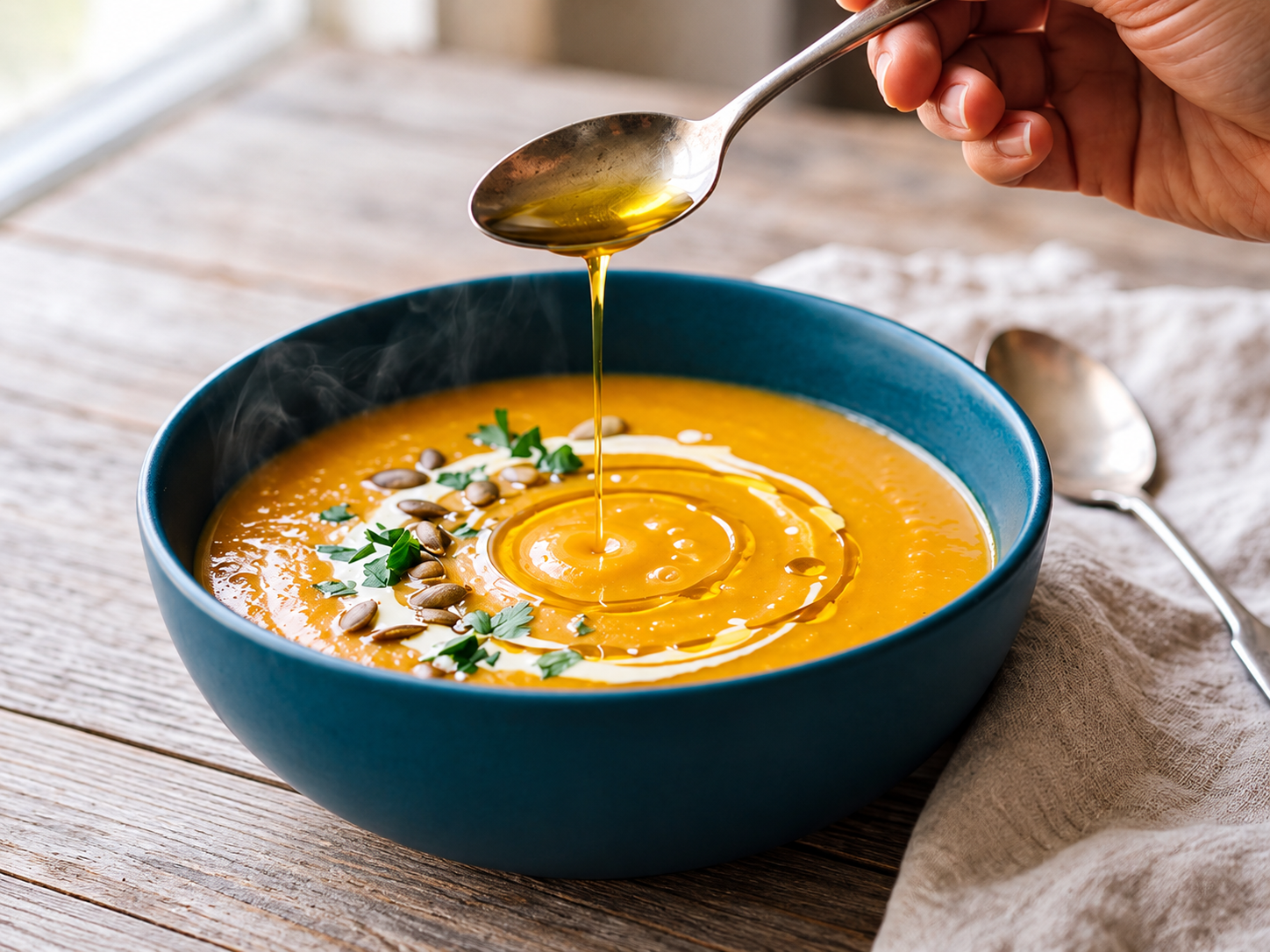
15.10.2026 Redaktion
Creamy Pumpkin and Ginger Soup with Omega-3
As the days grow cooler, warming meals and a targeted intake of micronutrients can support overall well-being. A creamy pumpkin and ginger soup is the perfect autumn classic – and with one simple trick, it can be transformed into a source of valuable nutrients!
Read more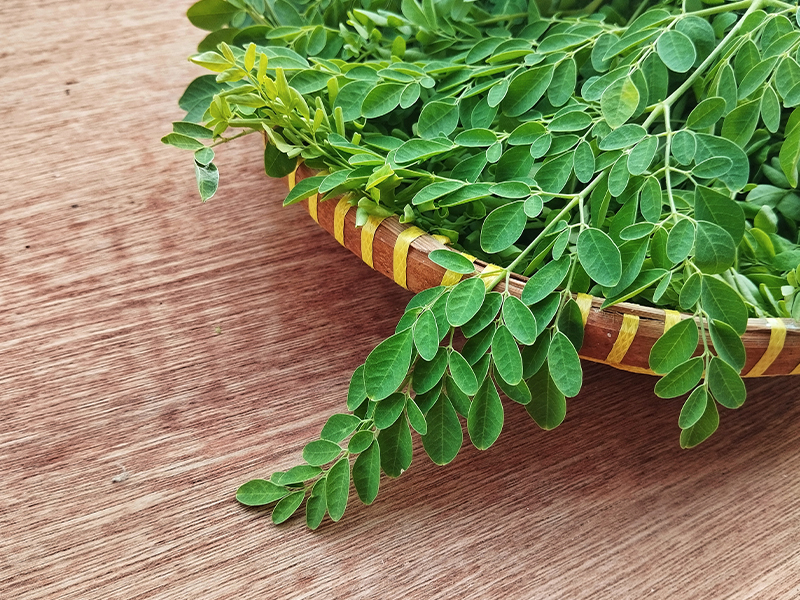
09.10.2026 Verena Christina Ewert, M.Sc., Ernährungs- und Mikronährstoffberaterin
Moringa: Why the Leaves Are Considered Nutrient-Rich
Moringa oleifera has been valued for centuries as a nutrient-rich plant. Its leaves are particularly interesting, as they combine a wide range of natural micronutrients, plant-based protein, and secondary plant compounds in a single food.
Read more