
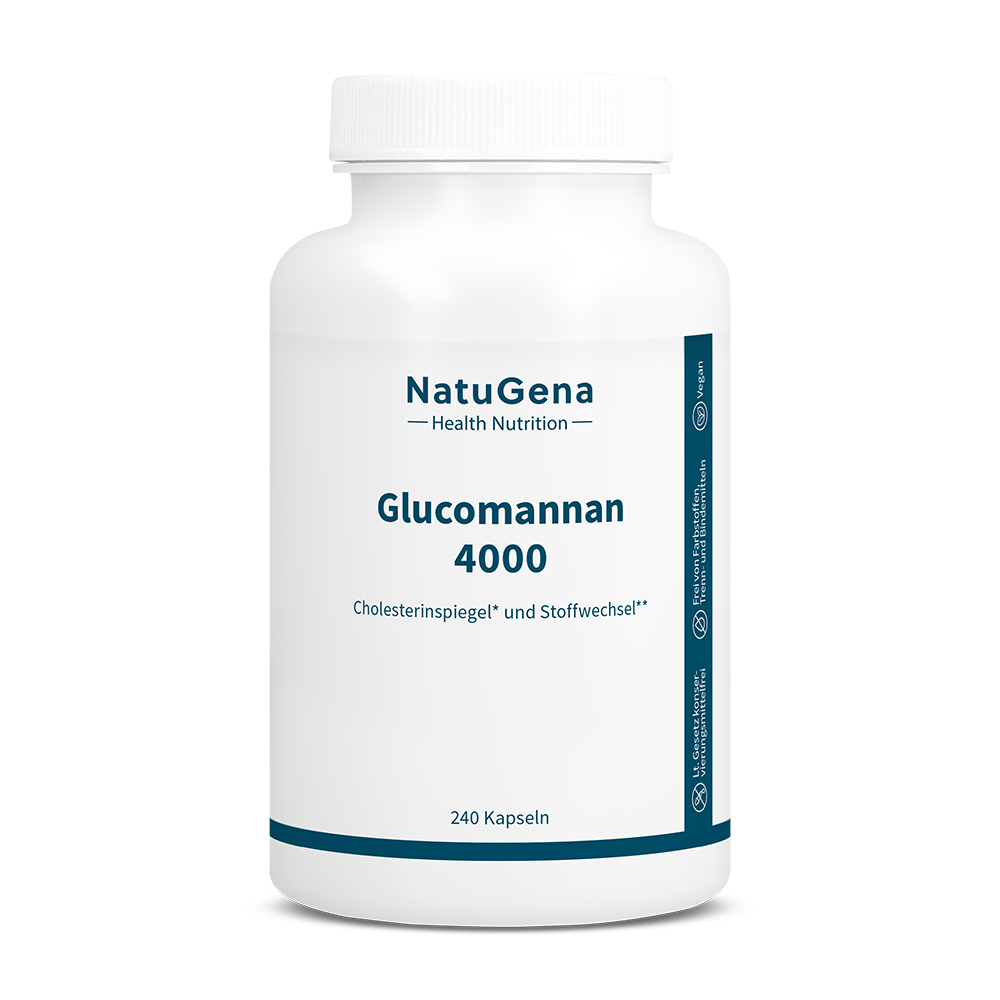
Glucomannan 4000
Cholesterol Levels* and Metabolism**
- Free of dyes
- Gluten-free
- Preservative-free as required by law
- Lactose-free
- Vegan
- Free of anti-caking and binding agents
| Price Tiers |
| from 1 Pieces | 34,95 € |
| from 3 Pieces | 31,95 € |
| from 5 Pieces | 29,95 € |
NatuGena Glucomannan 4000 – highly concentrated glucomannan from konjac root, providing 4,000 mg per daily dose. This soluble fibre is known for its pronounced swelling capacity and is complemented by chromium, which contributes to normal macronutrient metabolism and to the maintenance of normal blood glucose levels. 240 vegan capsules for a 30-day supply.
- Konjac root extract: 4,208 mg per daily dose with an extraction ratio of 19:1 and a glucomannan content of 95%
- Glucomannan: A soluble, viscous and fermentable fibre with particularly strong swelling capacity
- Chromium picolinate: Provides 6 µg of chromium per daily dose
- Capsules can be opened: The capsules can be opened; however, the powder forms a very strong gel
- Clear formulation: Konjac root extract, plant-based capsule shell and chromium picolinate

The konjac plant, botanically known as Amorphophallus konjac and also known as devil’s tongue, is native primarily to Asia. Underground, it forms a large, tuber-like storage organ from which glucomannan is obtained. In Asian countries, konjac is traditionally used as a food, for example in noodles or tofu.
The tuber is rich in glucomannan, a soluble fibre with exceptional swelling capacity. NatuGena Glucomannan 4000 provides 4,000 mg of glucomannan per daily dose. The formulation is complemented by chromium.
Why is glucomannan interesting for weight management?
Glucomannan is a soluble fibre and can absorb large amounts of water. This pronounced swelling capacity has long made konjac an interesting component of fibre-rich diets. Glucomannan in the context of an energy-restricted diet contributes to weight loss.* In addition, glucomannan contributes to the maintenance of normal blood cholesterol levels.** With 4,000 mg of glucomannan per daily dose, Glucomannan 4000 provides a clearly defined amount of this fibre. One capsule contains 500 mg of glucomannan.

Why is chromium included?
Chromium picolinate, a compound of chromium and picolinic acid, is used in the formulation. The trace element chromium contributes to normal macronutrient metabolism and to the maintenance of normal blood glucose levels.
Important consumption information
The recommended daily dose is 8 capsules, distributed throughout the day. Ideally, take before the main meals with 250 to 500 ml of still, lukewarm water.
There is a risk of choking for consumers with swallowing difficulties or if taken with insufficient fluid. It is also recommended to take glucomannan with plenty of water to ensure that it reaches the stomach.
*The beneficial effect is obtained with a daily intake of 3 g of glucomannan in three doses of 1 g each, together with 1–2 glasses of water, before meals and in the context of an energy-restricted diet.
**The beneficial effect is obtained with a daily intake of 4 g of glucomannan.
Quality
- No separating agents, binding agents or colourants
- Free from genetic engineering, nanoparticles and animal testing
- Hypoallergenic and sensitive formulations (e.g. free from lactose, soya and gluten where possible)
- Ultra-pure, plant-based coating agents (HPMC) and food-safe, light-protected containers
- Free from unwanted additives such as PEG, silicon dioxide, magnesium stearate & titanium dioxide
- Premium raw materials from pure substances
- Regular, independent testing for harmful substances
- Production in accordance with German quality standards (GMP, HACCP, ISO 9001)
Recommended Consumption
8 capsules throughout the day. Ideally, take them before the main meals with 250–500 ml of still, lukewarm water. Warning: People with swallowing difficulties or those who do not consume sufficient fluids are at risk of choking.
Notes
Food supplements should not be used as a substitute for a balanced and varied diet and a healthy lifestyle. Keep out of reach of small children. Store sealed, cool (not above room temperature), dry and protected from light. Do not exceed the recommended daily intake.
Content
| Ingredients | Daily dose (8 capsules) | NRV¹ |
|---|---|---|
| Konjac root extract | 4208 mg | |
|
— of which glucomannan
|
4000 mg | |
| Chromium | 6 μg | 15 |
| Ingredients | Per capsule | NRV¹ |
|---|---|---|
| Konjac root extract | 526 mg | |
| — of which glucomannan | 500 mg | |
| Chromium | 0.75 μg | 1.9 |
Konjac root extract, coating agent: hydroxypropyl methylcellulose (HPMC); chromium picolinate.
Blog Articles

Recognizing Omega-3 Deficiency Symptoms: The Underestimated Nutritional Deficiency
Omega-3 fatty acids are among the essential nutrients that our bodies cannot produce on their own—so we must obtain them through our diet. They play numerous roles in the body, from cell structure and the cardiovascular system to the brain and eyes. The omega-3 fatty acids EPA (eicosapentaenoic acid) and DHA (docosahexaenoic acid), found in fatty ocean fish, are particularly important. The plant-based precursor ALA (alpha-linolenic acid), found in flaxseed oil, for example, also contributes to our intake.
Read more
Bitter Compounds: Rediscovering the Power of Ancient Plants
Bitter Compounds: Rediscovering the Power of Ancient Plants. Bitter compounds are an almost forgotten gift from nature. For centuries, they were an integral part of our diet and helped maintain a healthy balance between digestion and metabolism. Today, we are rediscovering bitter compounds—as a natural aid for digestion, liver function, balanced metabolic activity, and appetite regulation.
Read moreFAQ
Most of our capsules can be opened without any concerns. The contents can be stirred into yogurt, plant-based yogurt, applesauce, smoothies, or juice, for example.
One of the reasons we encapsulate the ingredients is to keep their sometimes intense natural taste and smell as neutral as possible. When opened, the taste and smell may therefore be more noticeable.
Did you know? Our capsules can be easily opened by gently twisting them.
Please do not open: enteric-coated capsules
For certain bacterial and enzyme products, we use enteric-coated capsules. These should not be opened, as doing so may alter the intended release profile.
These include, for example:
- Bacterial preparations, such as HistaBakt, MakroAktiv, and BactoGena 21+2
- Enzyme products, such as N-Zymarase® Intest and N-Zymarase® Inflam. Exception: N-Zymarase Komplex contains betaine HCl, which is intended to take effect in the stomach; therefore, it does not have an enteric-coated capsule shell and can be opened
- Soft capsules with liquid contents, such as omega-3 capsules, are also not intended to be opened. In this case, you can switch to the liquid oil instead.
If you have any questions, please contact our advisory team at info@natugena.de.
From the very beginning, NatuGena has used exceptionally pure, plant-based HPMC capsules in the majority of its products. HPMC stands for hydroxypropyl methylcellulose and is made from plant-based cellulose.
Unlike many HPMC capsules commonly available on the market, the coating agents we use contain no carrageenan or PEG. Although they are more expensive, they meet our high standards for a carefully selected and transparent product composition.
Our plant-based HPMC capsules are:
- 100% plant-based cellulose (HPMC)
- Carrageenan-free
- PEG-free
- Gelatin-free
- GMO-free
- Free of allergens and irritants
What types of capsule shells are used in omega-3 products?
Special softgels are required for liquid oils. Our classic omega-3 capsules therefore contain a coating made from gelatin and glycerin and are not vegan.
In our vegan omega-3 capsules made from algae oil, the coating consists of glycerin and modified cornstarch and contains no gelatin. This makes these capsules suitable for a vegan diet.
The exact composition of each coating agent is clearly listed in the ingredients list.
It All Comes Down to the Composition
Conventional capsule shells may contain technical additives—such as anti-caking agents, release agents, or binders—due to the manufacturing process. These components aren’t always immediately apparent, as certain processing aids aren’t required to be listed in the ingredients list.
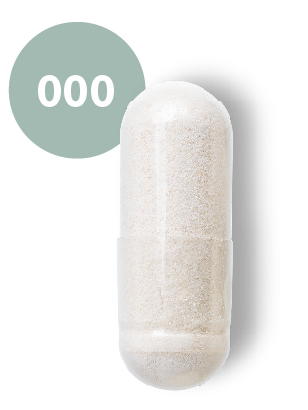
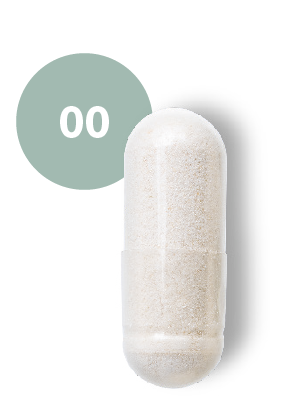
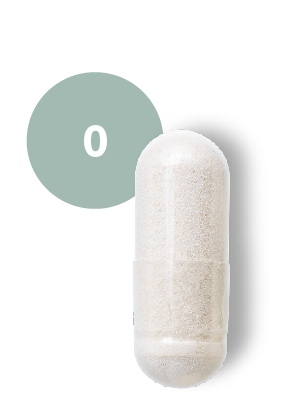
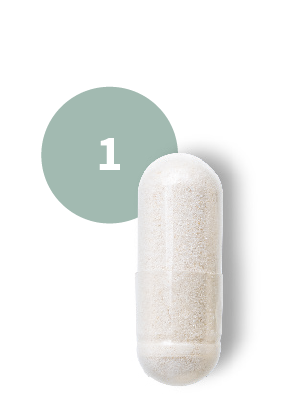
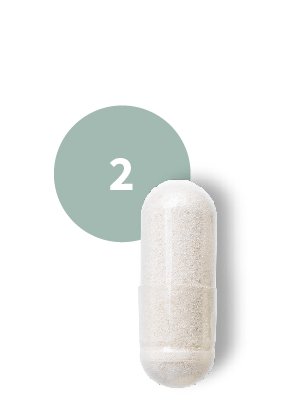
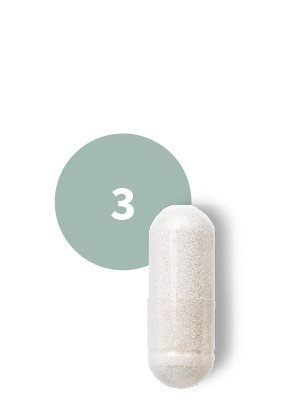
Most of the NatuGena capsule products are size 00 (8,2 × 23,3 mm) to 0 (7,3 × 21,2 mm). Information on the capsule sizes of individual products can be found on the relevant product page or by contacting info@natugena.de
 |
 |
 |
 |
 |
 |
|---|---|---|---|---|---|
| 9,5 × 26,1 mm | 8,2 × 23,3 mm | 7,3 × 21,2 mm | 6,6 × 19,0 mm | 6,1 × 17,3 mm | 5,6 × 15,4 mm |
| z. B. Lysin & Vitamin C, Monacolin K 3 |
z. B. Magnesia 7+1, MitochondrienAktivator 44+14, HeparAktiv |
z. B. ZellEnergie, MultiVegan, Astaxanthin |
z. B. HistaBakt, Bor, Bioaktiver B-Komplex |
not in use | z. B. Kupfer, LipoVitamine 10 000, Mangan-Komplex |
We work with the independent laboratory AgroLab, which we commission to perform microbiological and heavy metal tests.
In our microbiological testing, we measure the aerobic mesophilic plate count (total plate count), as well as the levels of Escherichia coli (E. coli), yeasts, Salmonella, molds, and staphylococci.
For heavy metals, we test for arsenic, lead, cadmium, and mercury in accordance with the limit values specified in Regulation (EU) 2023/915.
The optimal duration of use depends on the specific nutrient, your initial situation, diet, and individual requirements.
There is therefore no one-size-fits-all recommendation for how long a product should be taken. For products intended to support nutrient intake over a longer period, use over several weeks to months may be appropriate. In many cases, a period of around three months may be suitable before nutrient status and further requirements are reassessed.
In the case of diagnosed deficiencies, medical conditions, or the use of medication, the use of supplements should be individually discussed with a doctor or qualified healthcare professional.
The optimal time to take a supplement depends on the specific nutrient, individual tolerance, and the composition of the product. However, some ingredients can be particularly well suited to certain times of day or meals.
In the morning
Stimulating ingredients are often preferably taken in the morning or during the first half of the day. These include, for example:
- Coenzyme Q10
- Green tea extract
- Certain B vitamins
Especially for sensitive individuals, it may be advisable to avoid taking stimulating ingredients immediately before bedtime.
Throughout the day
For some nutrients, it may be beneficial to divide the daily amount into several doses.
Water-soluble vitamins such as B vitamins and vitamin C can be taken throughout the day.
Magnesium can also be divided into several doses rather than taking the entire daily amount at once. This may improve tolerance, particularly with higher amounts.
In the evening
Depending on the type of magnesium compound, taking it in the evening may be beneficial. Magnesium glycinate, for example, is often preferably taken in the evening.
In general, however, the best time to take a product also depends on when it is individually best tolerated and can be reliably incorporated into your daily routine.
With a meal
Some nutrients benefit from being taken together with a meal.
Fat-soluble vitamins A, D, E, and K can be taken together and ideally with a meal containing some fat.
Omega-3 fatty acids should also be taken regularly with a meal. Omega-3 oils can be combined well with fat-soluble vitamins.
Many plant-based ingredients can also be taken as part of a meal or together with omega-3 products. However, the optimal timing depends on the specific plant compound and product formulation.
Zinc can cause nausea or stomach discomfort on an empty stomach in some people. If you have a sensitive stomach, it is therefore advisable to take zinc with a meal.
Between meals
Iron is often taken separately from meals, as various foods and beverages can affect its absorption. It is particularly advisable to leave a gap between iron and:
- Coffee and tea
- Caffeinated beverages
- Milk and dairy products
- Calcium- or mineral-rich supplements
However, if you have a sensitive stomach, iron can also be taken with a meal. In this case, individual tolerance is more important than a theoretically optimal intake situation.
Enzyme supplements vary depending on their intended use: digestive enzymes are generally taken with meals. Products that are specifically intended to be taken between meals may, for example, be taken around 30 minutes before a meal. The product's specific recommended intake should always be followed.
Around exercise
Proteins and amino acids can be taken both before and after training.
If you exercise on an empty stomach, taking them around 30 minutes before training may be beneficial. If you have already eaten a protein-rich meal, you can also plan your protein intake for after training.
In general, ensuring sufficient protein intake throughout the entire day is more important than adhering to a narrow time window around your workout.
Country-specific information
This item may not be resold in the following countries: Switzerland
Responsible person for the EU
The economic operator based in the EU responsible for this product:
NatuGena GmbH, Münchener Str. 149, 85051 Ingolstadt, Germany,
+49 841 90 255 000, info@natugena.de, https://www.natugena.de

You May Also Be Interested in These Articles
BactoGena Prä AB&L
Gluten-free dietary fibre, bacteria, vitamins & minerals
Organic Acacia Fibre
Inavea™ Essential
FiguraLibra
MOROSIL™ & Guarana extract
BactoGena 21+2
Bacillus subtilis & Enterococcus faecium in magensaftresistenter Kapsel