
25.03.2026 Claudia Dippel, Heilpraktikerin
Women 50+ – Hormonal Changes During Menopause
Around midlife — often starting at age 50 — many women begin menopause, a period of profound hormonal change. Hormones find a new balance, similar to the hormonal changes during puberty. Back then, it marked the transition from girlhood to the fertile phase of life. Today, not only is the body changing again, but so is one’s inner experience.
Just as in puberty, hormonal changes during menopause can trigger emotional fluctuations and the first symptoms of menopause. Emotions become more intense, old issues may resurface, and inner tensions become more noticeable. This illustrates how closely the body, soul, and mind are interconnected: When the hormonal system realigns itself, the entire organism reacts—physically, emotionally, and mentally.
Menopause is not a disease, but a natural stage of life. A finely tuned, complex hormonal system is reorganizing itself. This process can be accompanied by various menopausal symptoms and changes that are both hormonal and age-related—both physical and emotional.
What hormonal changes occur during menopause?
Progesterone levels drop first
Even during perimenopause—the hormonal transition phase leading up to menopause—progesterone production can begin to decline slowly; depending on an individual’s stress levels, this can sometimes start as early as age 35.
Among other things, progesterone has a balancing effect on the nervous system, a calming effect on sleep and mood, and a regulating effect in conjunction with estrogen.
A progesterone deficiency can manifest early on through initial symptoms, such as:
- inner restlessness
- sleep disturbances
- irritability
- feelings of tension
- menstrual cycle irregularities
- reduced fertility
- loss of libido
Estrogen: Fluctuations and Subsequent Decline
Estrogen levels do not drop steadily right away; instead, they fluctuate significantly at first. These hormonal fluctuations can exacerbate symptoms before estrogen levels decline over the long term. Estrogen affects, among other things:
- Skin, mucous membranes, and connective tissue
- Bone metabolism
- Vascular function
- The brain, mood, and concentration
What does estrogen dominance mean?
Relative estrogen dominance occurs when progesterone levels have already dropped significantly, while estrogen is still present or fluctuating widely. The hormonal balance is disrupted—even without absolutely elevated estrogen levels.
Possible symptoms during menopause:
- Menstrual irregularities (especially during perimenopause or when under stress)
- Breast tenderness
- Water retention
- Increased emotional sensitivity
Endocrine Disruptors – Additional Stresses During Menopause
Another contributing factor during menopause is what are known as endocrine disruptors. These hormone-mimicking substances are found in, among other things:
- Plastics (e.g., plasticizers)
- Cosmetics
- Pesticides
- General environmental pollutants
They can influence hormonal signaling pathways and further disrupt the delicate balance—especially during a phase of hormonal readjustment. Existing menopause symptoms such as water retention, weight gain, sleep disturbances, or mood swings can be exacerbated as a result.
How can we support women holistically through menopause?
Nutrition – Nourishing Rather Than Restrictive
During menopause, the body becomes more sensitive to fluctuations in blood sugar, nutrient deficiencies, and inflammatory triggers. This can further exacerbate certain symptoms, such as energy slumps or inner restlessness. A balanced, natural diet can have a stabilizing effect:
- regular meals with a low glycemic index
- high-quality fats
- adequate protein intake
- fiber-rich foods
For many women over 50, a diet rich in protein and fiber is beneficial, combined with carbohydrates that help keep blood sugar stable. What matters is not a rigid dietary plan, but an approach to food that suits your individual needs, is enjoyable, and takes into account personal tolerance. For those with HPU, it can be helpful to consciously incorporate whole-grain carbohydrates alongside ketogenic foods to ensure sufficient energy.
Exercise – Gentle, Regular, and Tailored to You
Regular exercise can help you better manage the symptoms of menopause in your daily life. It promotes:
- hormonal balance
- bone health
- the reduction of stress hormones
- a positive body image
Walks, gentle strength training, yoga, stretching, or mindful movement throughout the day are often sufficient. Yin Yoga, Qi Gong, and Pilates have a particularly balancing effect, as they address both the body and the nervous system. What matters most is enjoyment, consistency, and practicality for daily life — not performance.
Sleep and Recovery During Menopause
Changes in sleep are among the most common symptoms of menopause. The nervous system becomes more sensitive, and deep sleep phases may be shorter or interrupted. The following can be helpful:
- Going to bed at regular times without pressure
- Evening rituals to help you wind down
- Reducing light, media, and activity in the evening
- Being mindful of your own limits
Gentle relaxation techniques such as calm breathing exercises, neurogenic tremors, evening yoga, Qi Gong, or Jin Shin Jyutsu can help regulate the nervous system. The goal is not perfect sleep, but greater calm and confidence—even during waking hours.
Essential Nutrients for Women Going Through Menopause
During menopause, it can be helpful to pay attention to certain micronutrients, especially those involved in fundamental metabolic and cellular processes:
- Magnesium – contributes to the normal function of nerves, muscles, and energy metabolism
- B vitamins – depending on the specific vitamin, support energy metabolism, mental function, and the nervous system
- Vitamin D – contributes to the maintenance of normal bones, muscle function, and immune function
- Omega-3 fatty acids – are components of cell membranes
- Zinc & selenium – contribute to protecting cells from oxidative stress and to normal immune function
- Iodine – supports normal thyroid function
- Essential amino acids – building blocks of the body’s own proteins
- Nucleotides – natural components of cells and play a role in fundamental cellular building and renewal processes
A needs-based and individually tailored supply of dietary supplements can be part of a balanced diet. Professional guidance from a qualified therapist is advisable to tailor the selection and use of supplements to one’s personal lifestyle, diet, and individual needs.
Herbs During Menopause – Traditional Support During Phases of Hormonal Change
For centuries, cultures around the world have harnessed the power of herbs to support the body during times of hormonal change, such as menopause. In addition to Ayurvedic teachings and Traditional Chinese Medicine, Western medicine — particularly Traditional European Medicine (TEM)—also plays a central role. As early as in ancient humoral medicine following Hippocrates and Galen, as well as in medieval monastic medicine, plants were specifically used to promote internal balancing processes. The goal was always to restore balance—not to treat individual symptoms in isolation.
Phytoestrogens – Plant-Based Stimulants
In Western herbal medicine, plants with estrogen-like properties or those that act on estrogen receptors have traditionally been used during life stages in which the female body is establishing a new hormonal balance—such as during menopause. Today, these plants are often described as SERM-like—a term for substances that bind to estrogen receptors and exert varying, mostly balancing effects depending on the tissue.
Soy and red clover, with their isoflavones, as well as hops, with their phytoestrogenic compounds, are found in both historical herbal texts and traditional tea recipes and tinctures. Yams were also traditionally used, though not for their direct effect on estrogen receptors, but as an adjunct herb to support general well-being during periods of hormonal upheaval.
All these plants have been and continue to be attributed with regulating and balancing qualities—not in the sense of hormonal replacement, but as a gentle stimulus for the body’s own regulatory mechanisms.
Adaptogenic Plants – Stress Balance as a Hormonal Foundation
Western medicine has long recognized the close connection between mental resilience, stress levels, and hormonal balance. Chronic stress was viewed as a weakening of the “vital force”— a condition that could also affect hormonal changes, sleep, and metabolism.
Adaptogenic plants such as ginseng and ashwagandha are valued across cultures today, yet they fit well within this holistic European understanding. They have traditionally been used to support the body’s adaptability and promote inner stability — an important prerequisite for a balanced hormonal system.
Bitter Substances – The Liver, Metabolism, and Hormonal Balance
In Traditional European Medicine, bitter substances play a key role. Bitter herbs were — and still are — considered indispensable for “cleansing, regulating, and transforming” the body. The liver, in particular, was regarded as the central organ for internal balance—not only for digestion and metabolism, but also for processing the body’s own messenger substances, which play a role during hormonal phases such as menopause. Bitter substances gently supported these processes and were an integral part of seasonal cures and herbal treatments.
A Holistic Understanding of Menopause in Western Tradition
Western medicine does not view hormonal changes during menopause in isolation, but rather as an expression of a comprehensive interplay between metabolism, the nervous system, the liver, and the body’s natural rhythms. Plant substances were never seen as a substitute for the body’s own functions, but rather as finely tuned companions that can support regulatory processes.
This holistic understanding combines traditional European herbalism with modern perspectives on stress balance and metabolism, making the plant world a valuable component of gentle support strategies during periods of hormonal transition to this day.
Conclusion: A Conscious New Phase of Life
The hormonal changes during menopause often occur under challenging circumstances. A highly stimulating environment, ongoing stress, limited opportunities for rest and recovery, and additional environmental factors accompany this phase in which the hormonal system is finding a new balance. This combination places increased demands on the body’s regulatory processes and can contribute to the symptoms of menopause being perceived as more intense. A more mindful approach to one’s own resources becomes increasingly important during this phase of life.
At the same time, menopause opens up new perspectives. This phase of life need not be quiet or conformist; rather, it can be shaped in an individual, vibrant, and self-determined way. Today, more knowledge than ever is available to consciously support the body—for example, through selected plants, traditional remedies, and targeted dietary supplements. Not as a substitute, but as a supportive complement to the body’s own processes, this can create a framework that promotes stability and leaves room for personal development.
Legal Notice / Disclaimer
This text is intended solely for general information and does not constitute medical advice. It is not intended to encourage self-diagnosis or self-treatment. If you experience persistent or distressing symptoms, please consult a doctor or a qualified therapist.
Frequently Asked Questions About Menopausal Symptoms
When does menopause begin?
Menopause usually begins between the ages of 45 and 55. However, the first hormonal changes can occur several years before the last period. This phase is known as perimenopause.
What are the most common symptoms of menopause?
Common symptoms include hot flashes, night sweats, sleep disturbances, restlessness, irritability, and changes in the menstrual cycle. Problems with concentration and increased emotional sensitivity are also reported. The nature, intensity, and duration of these symptoms vary from person to person.
How long does menopause last?
The duration of menopause varies from person to person. The hormonal transition can extend over several years. Even after menopause, during the so-called postmenopausal period, the body may continue to adapt to the changed hormonal balance.
When should menopausal symptoms be evaluated by a doctor?
It is advisable to seek medical evaluation if symptoms are severe, are getting significantly worse, or are significantly affecting your quality of life. If you are unsure about the cause of your symptoms, a medical evaluation can also help rule out other possible causes.
What role do diet and lifestyle play during menopause?
A balanced diet, regular exercise, and adequate rest can contribute to the overall stability of the metabolism and the nervous system. Individual adjustments—such as those related to nutrient intake or stress management—should be made with professional guidance if necessary.
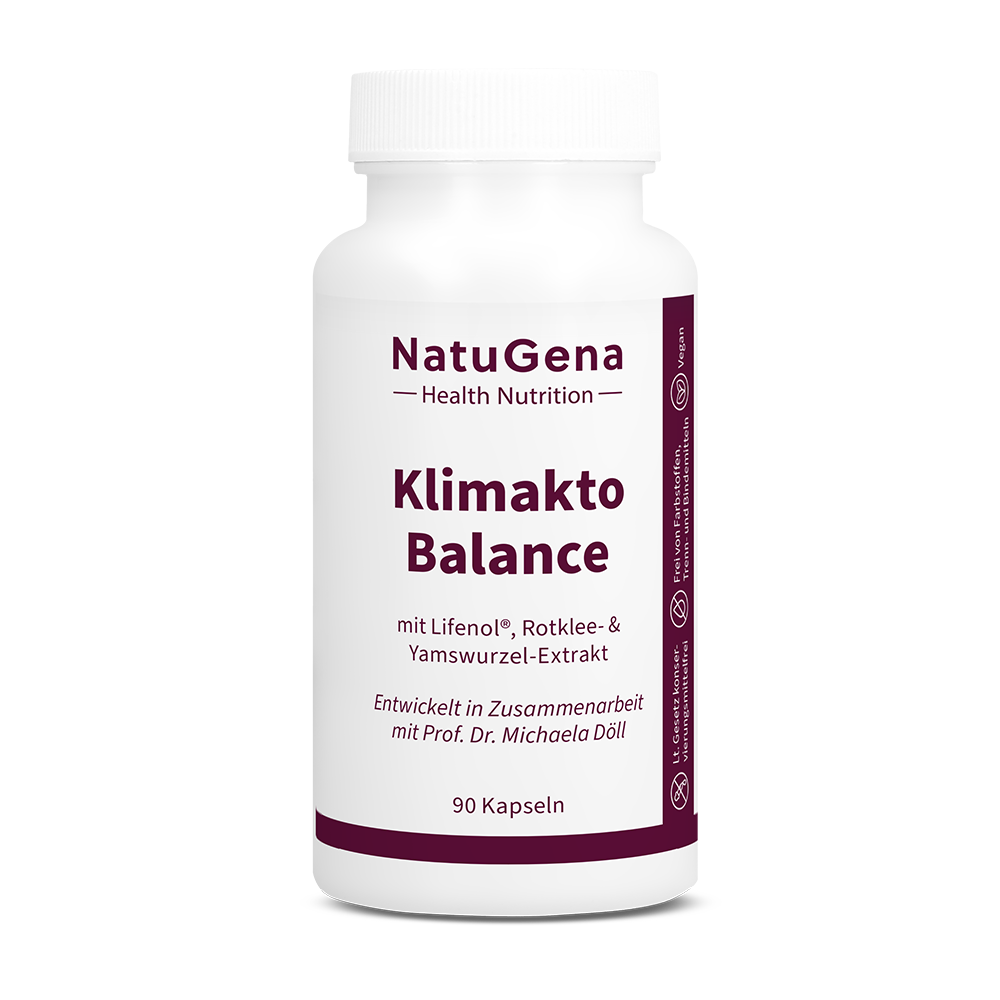
KlimaktoBalance
Lifenol®, Red Clover & Yam Extract for Women
Combines selected plant extracts including wild yam, red clover, sage, flaxseed and B vitamins.


39,95 €
Unsere Empfehlungen


Other Articles
30.09.2026 Redaktion
Home Remedies for a Hangover: What Helps the Morning After
A pounding headache, an upset stomach, and a leaden fatigue after a long night are clear signs that your liver is working overtime. A hangover results from the breakdown of alcohol, the associated loss of fluids and minerals, and poor sleep quality. That may sound unpleasant, but it can be alleviated with a few simple steps.
Read more
28.09.2026 Magdalena Meier, M.Sc. Biologie
Endometriosis: Between Pain, Stigma, and Self-Care
Severe period pain, fatigue, digestive problems, or pain during sexual intercourse are still often dismissed as “normal.” For years, many affected people hear statements such as “That’s just part of having a period” or “You simply have to put up with it.” But pain that regularly interferes with school, work, relationships, or everyday life deserves attention.
Read more
10.09.2026 Dr. med. Monika Dräger
ME/CFS – Much More Than Just “Fatigue”
“We all feel a little exhausted from time to time. You just need to take some time for yourself and get more exercise in the fresh air.” Have you ever received advice like this? It is not always helpful. Fatigue (weakness, exhaustion) can have many different causes, ranging from overwork and depression to anemia, an underactive thyroid, or ME/CFS.
Read more