
15.12.2023 Prof. Dr. rer. nat. Michaela Döll
The heart – when the engine "stutters" – Part 2
B vitamins to reduce the risk factor homocysteine
The non-proteinogenic amino acid homocysteine is considered an independent but also additive cardiovascular risk factor that promotes both vascular-associated (e.g. heart attack, stroke, peripheral arterial occlusive disease, venous thrombosis) and neurodegenerative (e.g. Alzheimer's-type dementia) diseases. An elevated homocysteine plasma level can additively or synergistically increase concomitant CHD risk factors (e.g. hypertension). Homocysteine is an intermediate product of the transmethylating metabolism and, according to current knowledge, has a number of pathophysiological effects. An oxidation of the low density lipoproteins (LDL) is discussed for this amino acid, which contributes significantly to the development of the so-called "foam cells" in the blood vessels. The increased formation of reactive oxygen species (ROS) leads to increased inactivation of endothelially produced nitric oxides, which can be associated with a deterioration in blood flow. An increased homocysteine level thus contributes to endothelial dysfunction and endothelial lesions. The amino acid also promotes the stimulation of smooth muscle cells, the aggregation of thrombocytes and reduces fibrinolysis (increased binding of lipoprotein (a) to fibrin).
For the homocysteine resulting from intermediary metabolism, there are two possible degradation pathways in the organism (transsulfuration and remethylation). Homocysteine can be converted into methionine in the organism by the addition of a methyl group methionine or can be broken down to cysteine. Vitamins B6, B12 and folic acid are the essential cofactors of this enzyme-catalyzed metabolism, with folic acid being the most important. A regular and sufficient supply of the B vitamins mentioned is therefore essential to reduce elevated homocysteine levels and maintain normal values.
L-arginine for vascular relaxation
Endothelial production of nitric oxide (NO) continues to play a significant role in maintaining vascular health. This cannot be stored, but is generated enzymatically (via eNO synthase) by the endothelium when required. The signaling molecule is involved in numerous regulatory processes in the vascular system. It influences vascular relaxation and inhibits pro-inflammatory processes in the vascular wall, reduces the release of reactive oxygen species and the oxidation of LDL. The availability of EDRF (endothelium-derived relaxing factor) is restricted in atherosclerosis and the associated secondary diseases. The semi-essential amino acid L-arginine is the direct precursor of NO and a deficient supply of L-arginine can lead to an insufficient supply of NO. For example, the bioavailability of L-arginine is reduced in the presence of high blood pressure. As an intermediate product of protein metabolism, asymmetric dimethylarginine (ADMA) is produced in the body under physiological conditions. This is known to inhibit endothelial NO synthase and thus the supply of EDRF. Elevated ADMA levels can be detected in almost all existing classic CHD risk factors (e.g. high blood pressure, diabetes mellitus, hypercholesterolemia, smoking), but also in hyperhomocysteinemia, heart failure, preeclampsia and erectile dysfunction. Experimental and clinical studies show that ADMA promotes a deficiency of L-arginine and, conversely, that the administration of L-arginine can counteract the adverse effects of ADMA on the vascular endothelium. L-arginine also has an antioxidant effect, reduces the generation of reactive oxygen species (ROS) and the associated vascular pathogenic mechanisms (e.g. foam cell formation) and thus also counteracts the ROS-induced loss of efficacy of EDRF.
Heart-healthy plant extracts and dark chocolate
Beet (Beta vulgaris) and hawthorn (Crataegus spec.) are good sources of secondary plant substances that protect the blood vessels and, above all, promote blood circulation.
Beta vulgaris contains quaternary ammonium compounds (betaines) which, as methyl group donors, are also involved in the breakdown of the intermediate product homocysteine, among other things. These betaines also have an antioxidant and anti-inflammatory effect and improve endothelial nitric oxide synthesis. A large number of studies carried out with athletes (including triathletes, footballers and runners) have shown that sporting performance can be significantly improved by consuming beet juice. Hawthorn is a medicinal plant with a long tradition in healthcare and is known for its cardioprotective, positive inotropic effect, which improves blood flow to the coronary arteries. The flowers of this rose plant are rich in flavonoids (rutin, catechin, OPC) and phenolic acids (e.g. chlorogenic acid, caffeic acid), xanthine derivatives and amines. These secondary plant constituents are thought to be responsible for the vascular relaxation and improved blood flow to the myocardium caused by hawthorn.T
hose with a sweet tooth will be pleased with this news: chocolate is healthy, but only the dark variety with a high cocoa content, which also contains little sugar. More than half of the cocoa beans consist of fat (cocoa butter), some of which is used to make chocolate. Chocolate also contains substances with a stimulating effect: Theobromine acts on the central nervous system and promotes the dilation of blood vessels. Caffeine is also present in the cocoa bean, albeit in much lower concentrations than in coffee or tea, for example. And finally, dark chocolate in particular is rich in polyphenols, which are thought to be responsible for the positive effect of the cocoa bean on the cardiovascular system. In a Spanish study of patients at high risk of cardiovascular disease, the effect of cocoa powder dissolved in milk was examined in comparison to the same amount of milk without the brown powder. It was found that various inflammation levels, which were examined in the serum of the study participants, were reduced in the "cocoa powder group". However, this was not the case in the pure "milk group". Further studies have shown that dark chocolate (15 grams) helps to reduce total cholesterol levels, improve (elevated) blood pressure and counteract blood clotting. These positive effects are attributed to the flavonoids found in dark chocolate.
Plant extracts ensure the right balance of blood lipids
The Mediterranean diet, which is characterized by a high plant content and, above all, a relatively high consumption of olive oil, is considered to be particularly vascular-protective.
Epidemiological studies point to a clear vascular-protective effect of a diet rich in olives (oil). Olives are rich in polyphenols such as the well-studied hydroxytyrosol or oleuropein, which improve the flow properties of the blood, have a favorable influence on fat metabolism and have both antioxidant and anti-inflammatory effects. Animal studies have shown that the use of a special extract mixture of olive, grape and artichoke polyphenols standardized to oleuropein (olive extract), catechins (grape extract) and chlorogenic acid (artichoke extract) (Oleactiv.) has clear benefits for both lipid metabolism and blood circulation. After 12 weeks of supplementation, cholesterol levels were reduced by 23%, triglyceride levels by 49% and insulin resistance (HOMA-IR index) by 24%. The atherosclerotic plaques also decreased significantly when the plant extracts were used. Endothelial nitric oxide synthesis and thus blood flow also increased significantly.
The artichoke - Cynara scolymus L. - is known for its fat digestion-promoting and liver-protecting effect, for which the bitter substances, flavonoids and caffeoylquinic acid derivatives (especially the active ingredient cynarin) contained in this composite plant are primarily held responsible. A number of studies have shown that these ingredients stimulate the flow of bile and can contribute to lowering elevated blood lipid levels.
A particularly interesting plant that has received little attention to date with regard to dyslipoproteinemia is the bergamot fruit - Citrus bergamia - a hybrid cross between a certain type of lemon (citronate lemon) and the bitter orange. The evergreen shrub, which can grow up to five meters high, grows in southern Italy, but is also found occasionally in South America. The white bergamot blossoms, which appear in spring, produce yellow-green, pear-shaped fruits of up to 200 grams each in the fall/winter. These are harvested from November to February. The green-yellow citrus fruits are rich in flavonoids and essential oils (e.g. geraniol, citronellol, linalool). The aforementioned vascular-protective polyphenol oleuropein can also be found here. Scientific studies have shown that the use of bergamot extract can significantly reduce LDL cholesterol levels. The effect observed here was all the stronger, the higher the extract was.
Our product recommendation
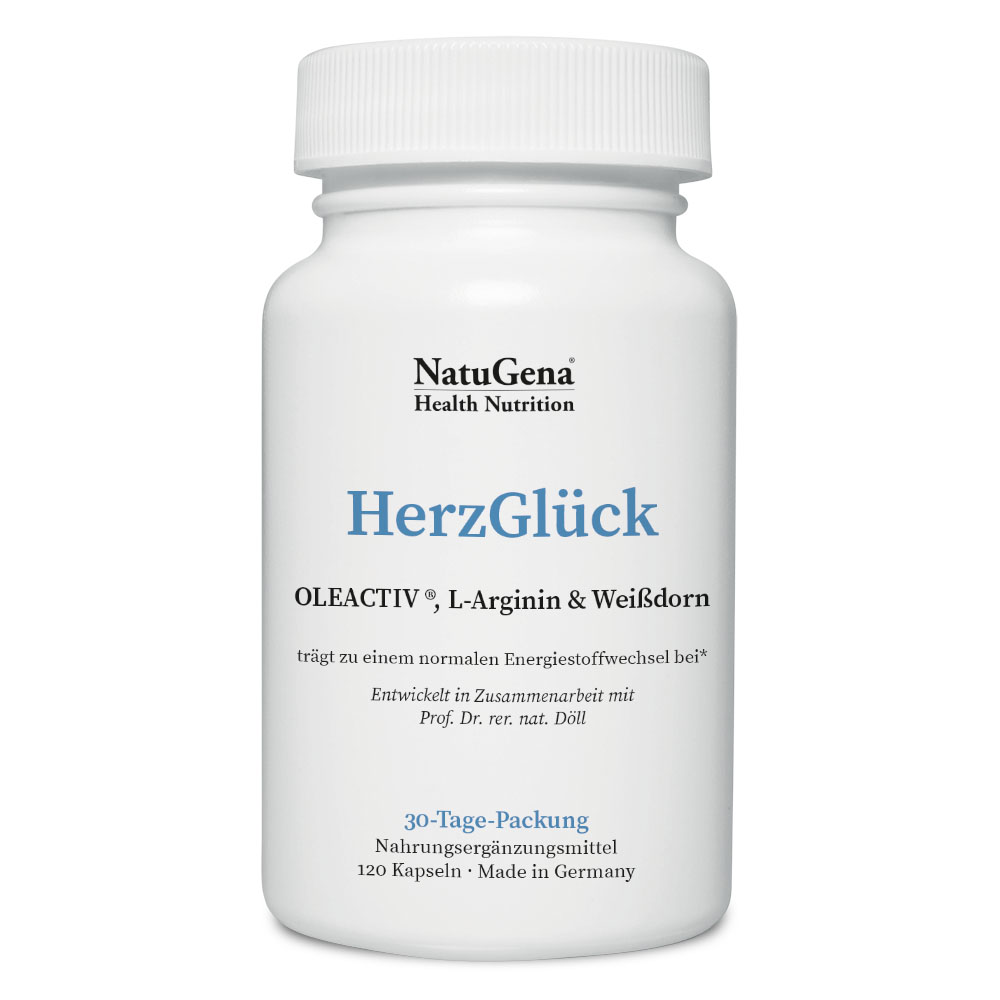
- contains OLEACTIV, the amino acid L-arginine & hawthorn
- valuable polyphenols in the branded raw material OLEACTIV come from olives, grapes and artichokes
- naturally high-quality hawthorn, flavanols from organic cocoa and bergamot round off the formula
- contributes to normal energy metabolism thanks to vitamins B6,9,12
- highest quality raw materials from German production
- developed in collaboration with Prof. Dr. rer. nat Michaela Döll
Click here for the first part of our blog series:
Literature
- Ardalani H. et al.: The Effect of Cynara scolymus on Blood Pressure and BMI in Hypertensive Patients: A Randomized Double-Blind, Placebo-Controlled Clinical Trial. Complement Med Res. 2020;27(1):40-46. doi: 10.1159/000502280.
- Cappello AR. Et al.: Bergamot (Citrus bergamia Risso) Flavonoids and Their Potential Benefits in Human Hyperlipidemia and Atherosclerosis: an Overview..Mini Rev Med Chem. 2016;16(8):619-29. doi: 10.2174/1389557515666150709110222.
- Dobrijević D. et al.: Betaine as Functional ingredient: Metabolism, Health-Promoting Attributes, Food Sources, Applications and Analysis Methods. Molecules 2023 Jun 17;28(12):4824. doi: 10.3390/molecules28124824.
- Dural İE,. Et al.: The Relationships Between Chocolate Consumption and Endothelial Dysfunction in Patients with Heart Failure. Turk Kardiyol Dern Ars. 2022 Jul;50(5):334-339. doi: 10.5543/tkda.2022.21249.
- Guéant JL. et al.: Hyperhomocysteinemia in Cardiovascular Diseases. Revisiting Observational Studies and Clinical trials. .hromb Haemost. 2023 Mar;123(3):270-282. doi: 10.1055/a-1952-1946.
- Jalili C. et al.: Effects of Cynara scolymus L. on glycemic indices: A systematic review and
meta-analysis of randomized clinical trials. Complement Ther Med. 2020 Aug;52:102496. doi: 10.1016/j.ctim.2020.102496. - Jurado-Castro J. et al.: Beetroot Juice Produces Changes in Heart Rate Variability and Reduces Internal Load during Resistance Training in Men: A Randomized Double-Blind Crossover. Nutrients. 2022 Dec 2;14(23):5119. doi: 10.3390/nu14235119.
- Mannucci C. et al.: Clinical Pharmacology of Citrus bergamia: A Systematic Review.
Phytother Res. 2017 Jan;31(1):27-39. doi: 10.1002/ptr.5734. - McCaddon A. et al.: Homocysteine – a retrospective and prospective appraisal. Front Nutr. 2023 Jun 13;10:1179807. doi: 10.3389/fnut.2023.1179807.
Mone P. et al.: L-Arginine Improves Cognitive Impairment in Hypertensive Frail Older Adults.F ront Cardiovasc Med. 2022 Apr 12;9:868521. doi: 10.3389/fcvm.2022.868521. - Shiraseb F,. et al.: Effect of L-Arginine Supplementation on Blood Pressure in Adults: A Systematic Review and Dose-response Meta-analysis of Randomized Clinical Trials. Adv Nutr. 2022 Aug 1;13(4):1226-1242. doi: 10.1093/advances/nmab155.
- Yang Q. et al.: Association of choline and betaine with the risk of cardiovascular disease and all-cause mortality: Meta-analysis. Eur J Clin Invest 2023 Oct;53(10):e14041. doi: 10.1111/eci.14041
Other Articles

22.10.2026 Redaktion
Blue Light and Sleep: How Our Daily Habits Disrupt the Sleep-Wake Cycle
Using smartphones, working on computers, and streaming TV series – especially right before bedtime – can interfere with the function of our pineal gland. Among other things, this small gland regulates the release of the hormone melatonin, which is normally produced in greater amounts as darkness falls in the evening.
Read more
16.10.2026 Redaktion
Daylight Saving Time and Sleep Problems: Why Does Your Internal Clock Resist the Time Change?
The alarm goes off, but your head feels heavy. Although the clocks are turned back by one hour in autumn, seemingly allowing more time for rest, your usual routine can be thrown off balance. Many people struggle to fall asleep in the evening or wake up feeling exhausted.
Read more
12.10.2026 Redaktion
Omega-3 for Children: What Parents Should Keep in Mind in Everyday Family Life
Many parents are familiar with situations like these: Their child seems restless, has difficulty concentrating, or quickly feels overwhelmed. Homework takes forever, attention constantly shifts, and at the same time, the child finds it difficult to relax.
Read more