
24,95 € 21,21 €
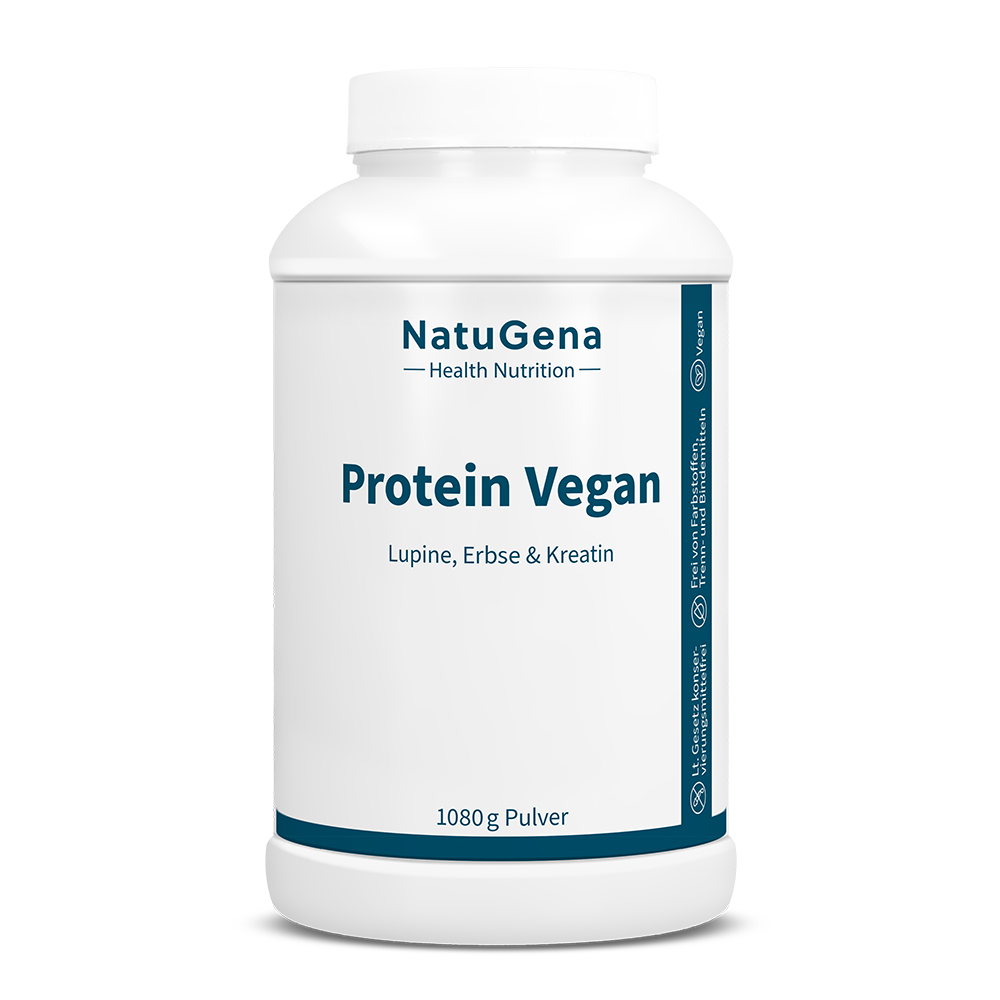
Protein Vegan
Lupine, Erbse & Kreatin
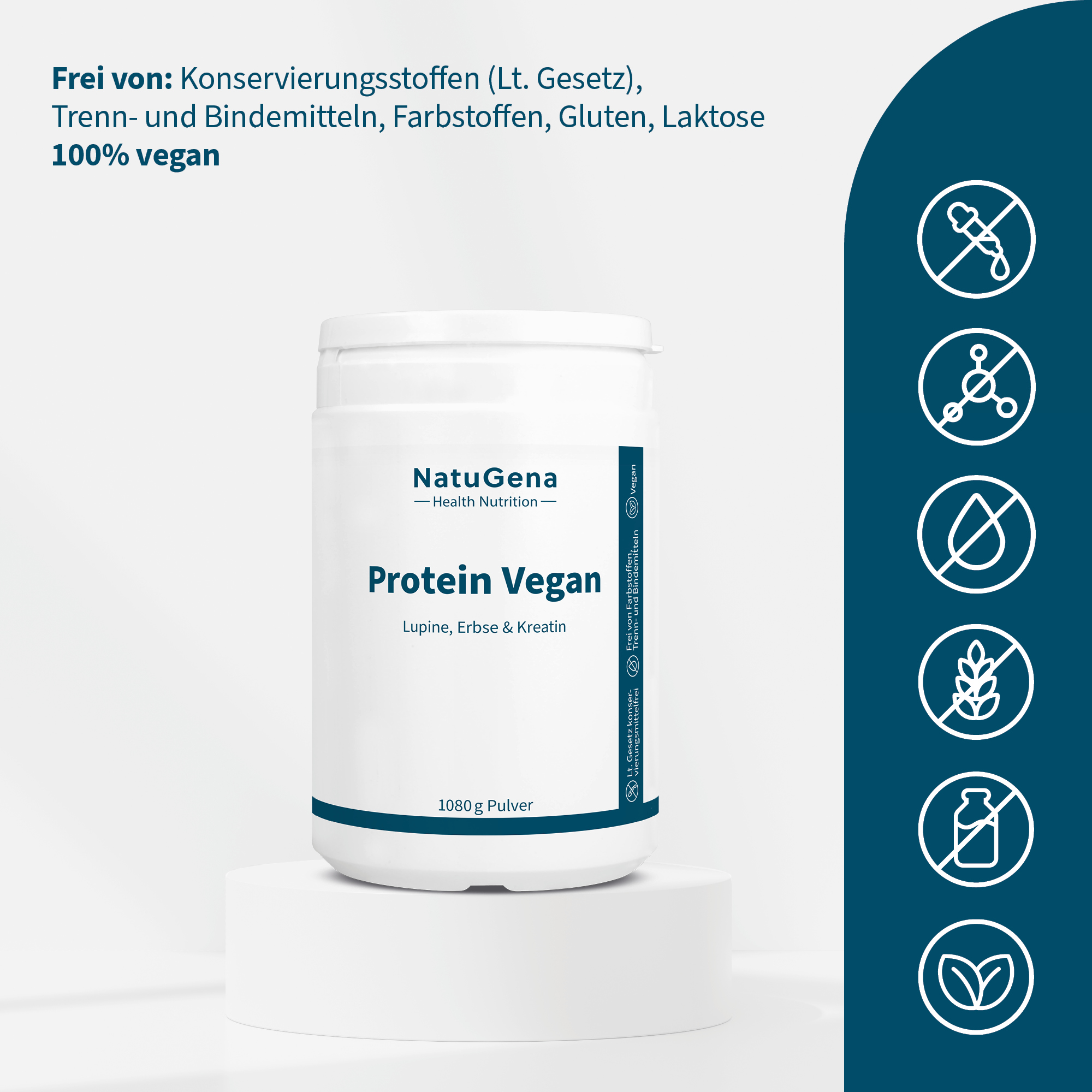
- Free of dyes
- Gluten-free
- Preservative-free as required by law
- Lactose-free
- Vegan
- Free of anti-caking and binding agents
Product Type
nutritional supplement
Content
1080 g powder for 24 days
| Price Tiers |
| from 1 Pieces | 49,95 € |
| from 3 Pieces | 44,95 € |
| from 5 Pieces | 42,95 € |
This product is tested on a batch-by-batch basis by an independent, accredited laboratory for the presence of steroids and anabolic substances.
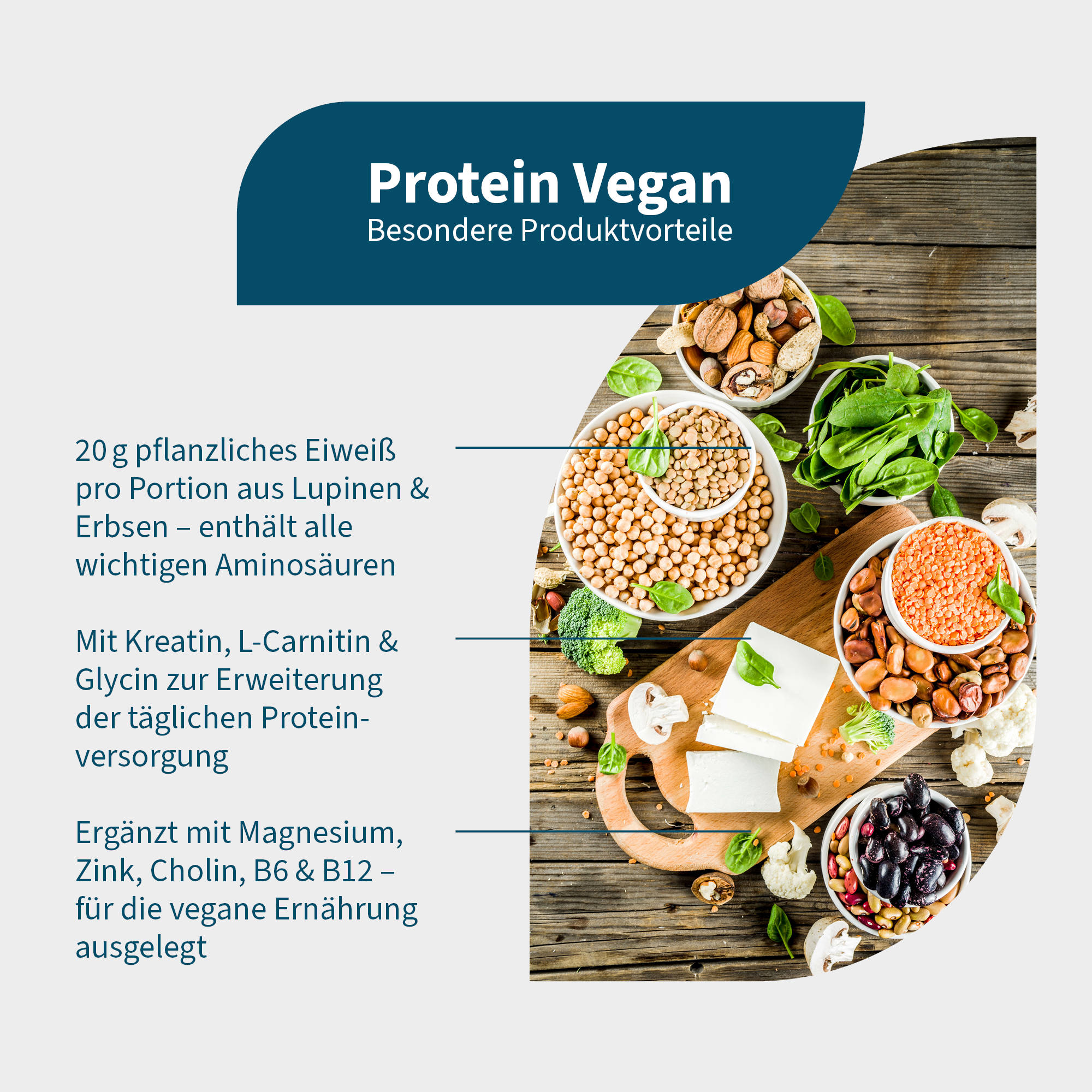
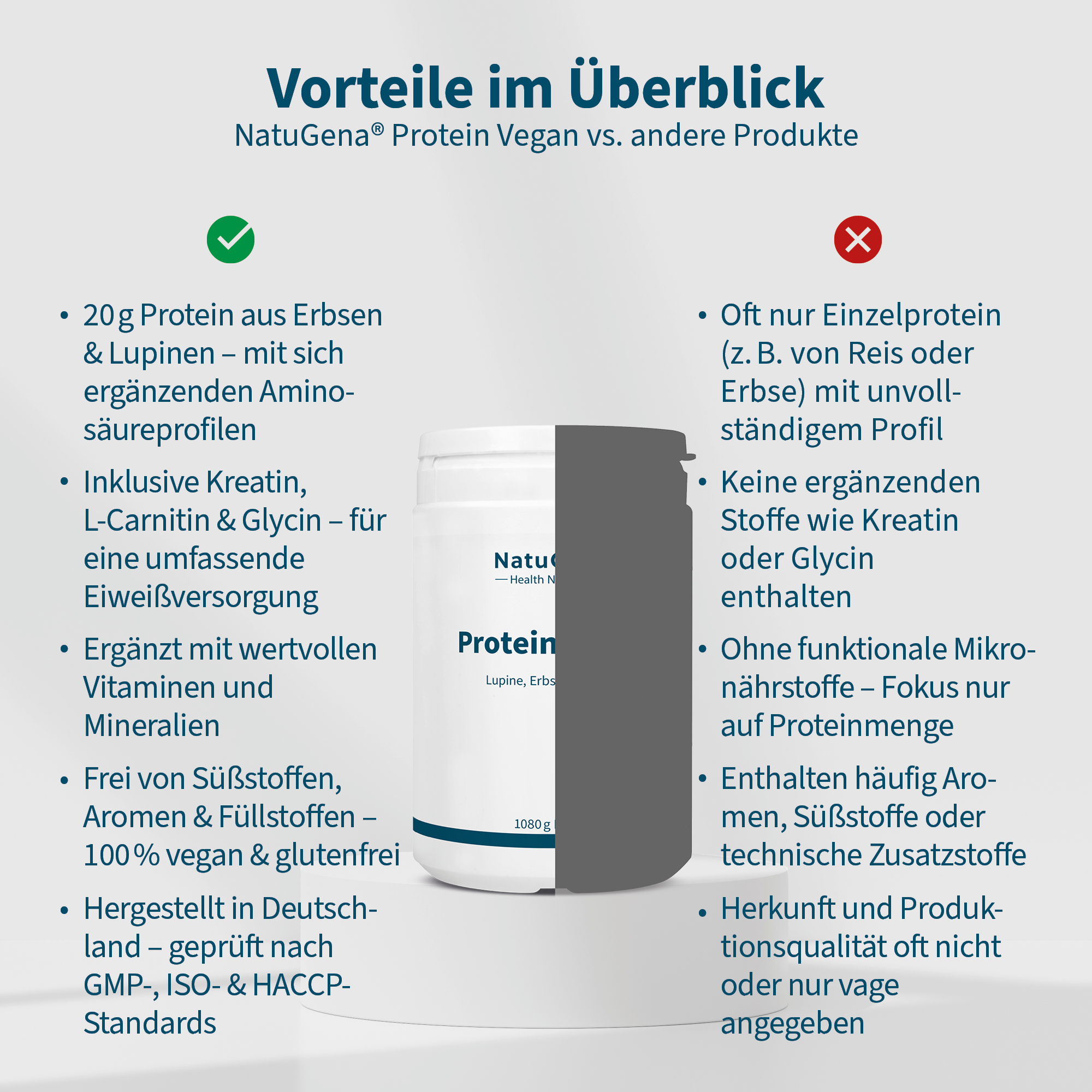
NatuGena Protein Vegan – Combining high-quality pea and lupin protein into a balanced plant-based protein source – supplemented with L-glycine, L-carnitine, and creatine, as well as carefully selected micronutrients. The formulation provides a complete amino acid profile and offers a nutrient-rich plant based alternative to animal protein. 20 g of protein per daily serving. 1,080 g of powder for a 24-day supply.
- Pea protein: Plant-based protein with high digestibility and a balanced amino acid profile – low in methionine but easily combinable
- Lupin protein: Rich in methionine and cysteine
- Magnesium taurate & magnesium malate: Highly bioavailable magnesium compounds
- Choline bitartrate: Easily soluble and well-tolerated form of choline
- Zinc bisglycinate: Chelated, highly bioavailable form that is well-tolerated
- Bioactive B vitamins: Directly usable forms without additional conversion steps in the body
- Purely plant-based & well-tolerated: Ideal for lactose intolerance or as a vegan nutrient source
- Quality made in Germany: Maximum purity and bioavailability for optimal nutrient absorption.
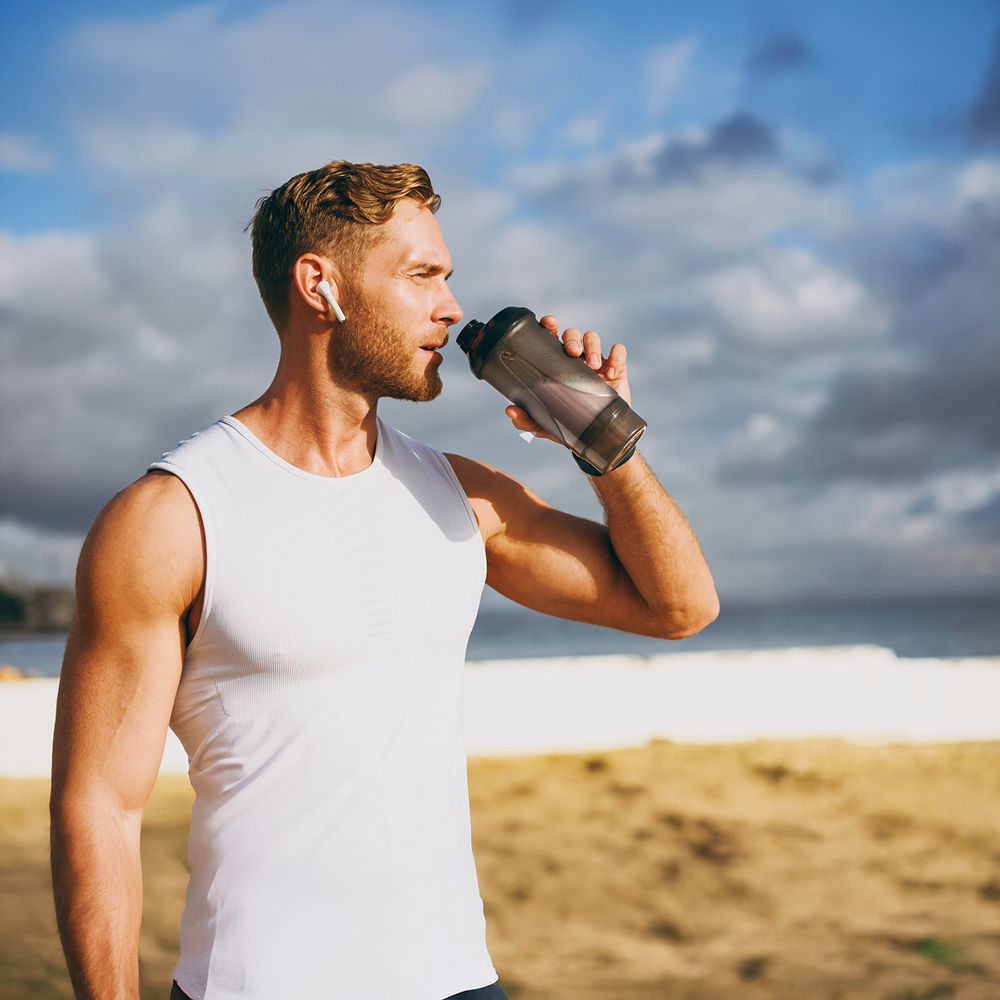
NatuGena Protein Vegan was developed to provide high-level plant-based protein supply – combined with a fine selection of functional micronutrients. Our vegan protein powder is perfect for those who value quality, tolerability, and a well-thought-out nutrient profile.
How do pea and lupin plant proteins complement each other?
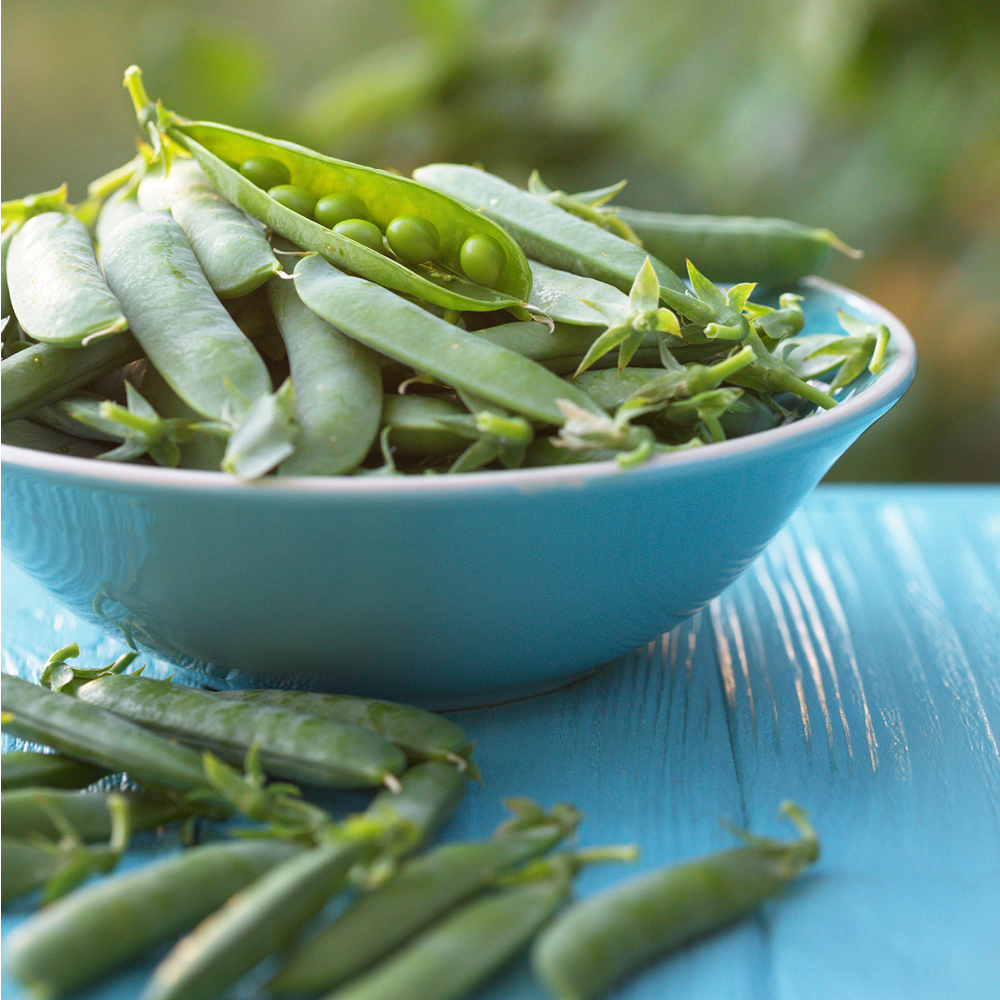
Pea protein is considered a well-tolerated and reliable plant-based protein source but contains little methionine. Lupin protein provides this component in a meaningful amount and additionally includes cysteine. The combination results in a balanced amino acid profile, corresponding to a biological value of 90 to 95. This brings the plant-based mix close to the reference value of animal protein sources like whey protein.
How do the included micronutrients support metabolism?
NatuGena Protein Vegan contains magnesium compounds that are particularly well absorbed by the body: magnesium taurate and magnesium malate. Magnesium contributes to normal muscle function and normal energy metabolism. Choline supports normal fat metabolism and contributes to a normal metabolism of macronutrients. Zinc in the form of zinc bisglycinate complements the formula and contributes to normal immune system function and the maintenance of normal skin, hair, and bones. For optimal absorption, NatuGena Vegan Protein contains the active forms of vitamins B6 and B12, which can be directly utilized by the body. Pyridoxal-5-phosphate is used as the bioactive form of vitamin B6, and adenosylcobalamin as the form of vitamin B12. Vitamin B6 contributes to normal protein and glycogen metabolism and to normal immune system function. Vitamin B12 supports normal energy metabolism and helps reduce tiredness and fatigue.
Why is the protein composition supplemented with L-glycine, L-carnitine, and creatine?
The formulation is specifically enhanced with these three compounds. L-glycine, L-carnitine, and creatine naturally occur in the body and contribute to a functional protein composition. L-glycine is the most abundant amino acid in collagen, L-carnitine supports the transport of fatty acids into the mitochondria, and creatine serves as an energy store in muscle cells.

What makes the formulation so versatile?
The ingredients allow for flexible use – from a plant-based diet to targeted supplementation during increased demand. The combination of pea and lupin protein is naturally free from lactose and gluten, making it a high-quality alternative to whey protein. The formulation avoids carriers or fillers. The result is a well-tolerated protein shake that can be easily integrated into daily life – whether as a classic shake with oat or almond drink, as an ingredient in smoothies, or added to meals. Each daily serving provides 20 g of protein. Compared to animal protein sources, the production of plant proteins is significantly more resource-efficient. It usually requires less water, causes lower emissions, and does not involve animal agriculture.
Quality
- No separating agents, binding agents or colourants
- Free from genetic engineering, nanoparticles and animal testing
- Hypoallergenic and sensitive formulations (e.g. free from lactose, soya and gluten where possible)
- Ultra-pure, plant-based coating agents (HPMC) and food-safe, light-protected containers
- Free from unwanted additives such as PEG, silicon dioxide, magnesium stearate & titanium dioxide
- Premium raw materials from pure substances
- Regular, independent testing for harmful substances
- Production in accordance with German quality standards (GMP, HACCP, ISO 9001)
Recommended Consumption
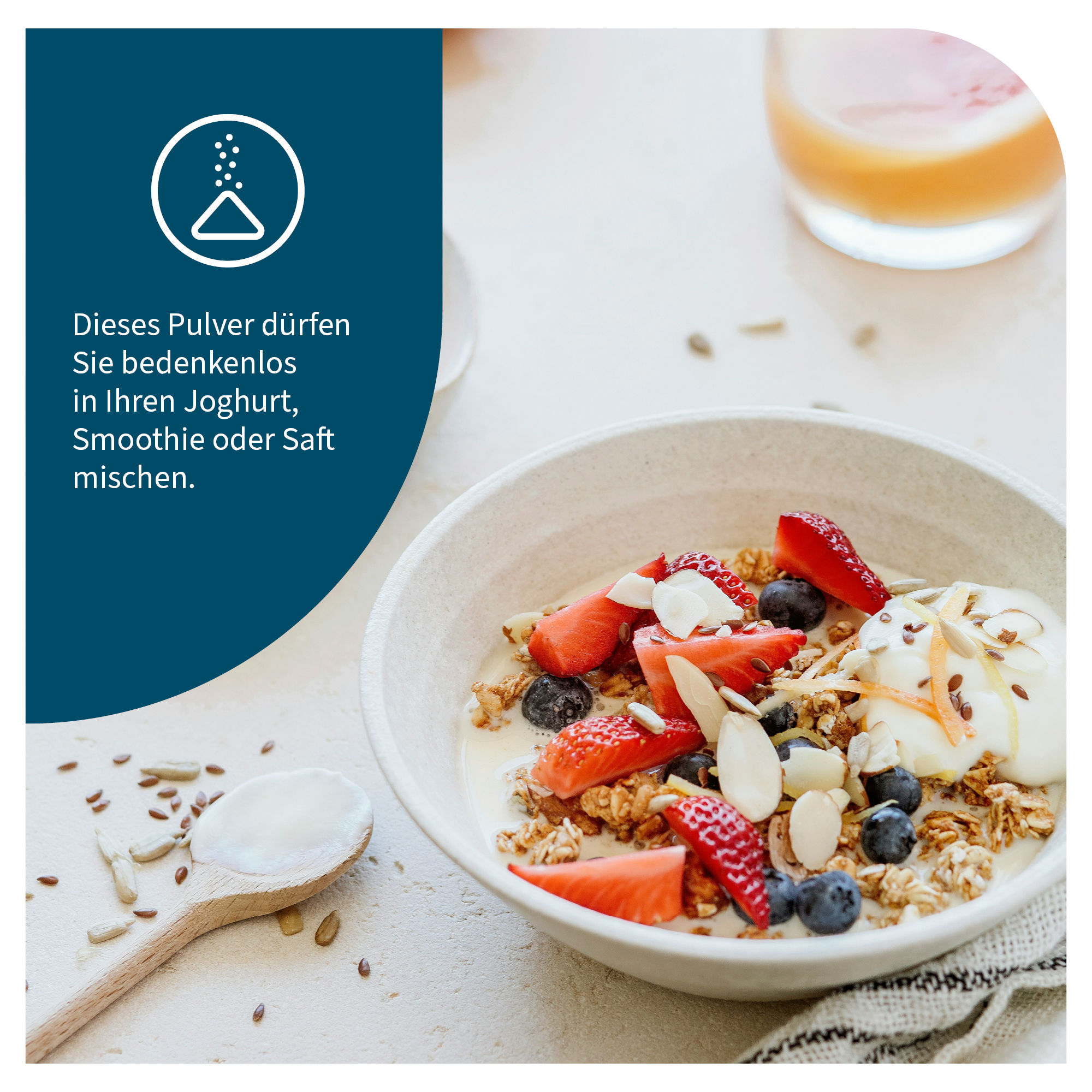
Once a day, mix one level measuring spoon (45 g) with 400 ml of plant-based drink (e.g. oat drink) or alternatively with water in a shaker and consume. The measuring spoon is included. The shake can also be consumed as a protein smoothie with vegetables and fruit, if desired. It is best to consume at least 30 minutes before or 90 minutes after a meal.
Notes
Food supplements should not be used as a substitute for a balanced and varied diet and a healthy lifestyle. Keep out of reach of small children. Store sealed, cool, dry and protected from light. Do not exceed the recommended daily intake.
Content
| Nutritional values per | Daily serving | 100g |
|---|---|---|
| Energy | 149,9 kcal | 332 kcal |
| Protein | 26,8g | 59,6g |
| Fat | 0,59g | 1,3 g |
| – of which saturated fatty acids | 0,09g | 0,2 g |
| Carbohydrates | 5,58g | 12,4 g |
| – of which sugars | 0,59g | 1,3 g |
| Dietary fibre | 7,25g | 16,1 g |
| Ingredients per daily serving | Daily serving | NRV¹ |
|---|---|---|
| Pea protein (80% protein) | 13,3 g | |
| Lupin (40 % Protein) | 23,7 g | |
| L-Glycin | 2000 mg | |
| L-Carnitin | 1000 mg | |
| Creatin | 1000 mg | |
| Magnesium | 150 mg | 40 |
| – of which magnesium taurate | 50 mg | 13 |
| – of which magnesium malate | 100 mg | 27 |
| Zinc | 5 mg | 50 |
| Cholin | 200 mg | |
| Vitamin B6 (P5P; bioactiv) | 1,4 mg | 100 |
| Vitamin B12 (adenosylcobalamin; bioactiv) | 2 µg | 80 |
¹ Reference intakes for an average adult according to Regulation (EU) No 1169/2011 (in %).
Composition
Lupin flour, pea protein, L-glycine, L-carnitine tartrate, creatine monohydrate, magnesium taurate, magnesium malate, choline bitartrate, zinc bisglycinate, pyridoxal-5-phosphate, adenosylcobalamin.
Blog Articles

18.05.2026 von Verena Christina Ewert, M.Sc., Ernährungs- und Mikronährstoffberaterin
Read more
Cycle-Based Training: Which Sports Are Best for Each Phase of the Cycle
The music at the gym is loud, the weights are clanging, and the room is buzzing with energy. Next to you, someone is pushing through their next rep. You’re really planning to go all out today.
You step up to the barbell, start your squat—and suddenly you feel dizzy. Your circulation drops, your legs feel heavy. Yet your workout last week went off without a hitch. Then it hits you: your period has started.
04.05.2026 von Magdalena Meier, M.Sc. Biologie
Legal Doping: More Energy Through Micronutrients
When daily life becomes overwhelming and your to-do list keeps growing, your own resilience often isn’t enough. Even with a healthy diet and regular exercise, you may still lack energy, feel unable to recover, and struggle with mental clarity. Typical signs that you need more are...
Read moreFAQ
In dietary proteins, amino acids are linked together to form longer protein chains. During digestion, these must first be broken down into smaller components and individual amino acids.
OktaAmino already contains the eight essential amino acids in their free, crystalline form. Therefore, they do not first need to be extracted from a dietary protein but are immediately available as individual amino acids for further metabolism after ingestion.
The carefully balanced amino acid ratio is based on the Master Amino Acid Pattern.
Lectins occur naturally in legumes such as peas and chickpeas and are found throughout the seed, with slightly higher concentrations in the outer layers. However, the manufacturing process for pea protein (cleaning, grinding, aqueous extraction, heating, and drying) largely inactivates these lectins, so that only inactivated or greatly reduced amounts remain in the final product.
Do the proteins denature during this process?
Yes, the proteins are partially denatured during processing, meaning their structure changes. However, the amino acids—the building blocks—remain fully intact and can still be easily absorbed and utilized by the body; in some cases, digestibility is even improved.
What is the lectin content?
No precise quantitative determination is performed. However, due to the processing, it can be assumed that only inactivated lectins are present in very small amounts.
Our products thus provide amino acids from pea protein in a highly bioavailable form, e.g., Protein Vegan, MitochondrienAktivator Powder, and HeparFit.
Our products Mitochondria Activator Powder, Protein Vegan and OktaAmino Powder are produced in large containers. The induction seal inserts used to close containers of this size are standardly equipped with a 0.6 mm opening. This is not a quality defect, but a proven precautionary measure designed to compensate for differences in pressure and temperature that can occur during the transport or storage of filled and sealed products. This reliably helps prevent possible deformation of the packaging.
The resulting air exchange is minimal and does not lead to increased oxidation of the product. Quality and product safety are, of course, fully maintained.
We work with the independent laboratory AgroLab, which we commission to perform microbiological and heavy metal tests.
In our microbiological testing, we measure the aerobic mesophilic plate count (total plate count), as well as the levels of Escherichia coli (E. coli), yeasts, Salmonella, molds, and staphylococci.
For heavy metals, we test for arsenic, lead, cadmium, and mercury in accordance with the limit values specified in Regulation (EU) 2023/915.
The optimal duration of use depends on the specific nutrient, your initial situation, diet, and individual requirements.
There is therefore no one-size-fits-all recommendation for how long a product should be taken. For products intended to support nutrient intake over a longer period, use over several weeks to months may be appropriate. In many cases, a period of around three months may be suitable before nutrient status and further requirements are reassessed.
In the case of diagnosed deficiencies, medical conditions, or the use of medication, the use of supplements should be individually discussed with a doctor or qualified healthcare professional.
The optimal time to take a supplement depends on the specific nutrient, individual tolerance, and the composition of the product. However, some ingredients can be particularly well suited to certain times of day or meals.
In the morning
Stimulating ingredients are often preferably taken in the morning or during the first half of the day. These include, for example:
- Coenzyme Q10
- Green tea extract
- Certain B vitamins
Especially for sensitive individuals, it may be advisable to avoid taking stimulating ingredients immediately before bedtime.
Throughout the day
For some nutrients, it may be beneficial to divide the daily amount into several doses.
Water-soluble vitamins such as B vitamins and vitamin C can be taken throughout the day.
Magnesium can also be divided into several doses rather than taking the entire daily amount at once. This may improve tolerance, particularly with higher amounts.
In the evening
Depending on the type of magnesium compound, taking it in the evening may be beneficial. Magnesium glycinate, for example, is often preferably taken in the evening.
In general, however, the best time to take a product also depends on when it is individually best tolerated and can be reliably incorporated into your daily routine.
With a meal
Some nutrients benefit from being taken together with a meal.
Fat-soluble vitamins A, D, E, and K can be taken together and ideally with a meal containing some fat.
Omega-3 fatty acids should also be taken regularly with a meal. Omega-3 oils can be combined well with fat-soluble vitamins.
Many plant-based ingredients can also be taken as part of a meal or together with omega-3 products. However, the optimal timing depends on the specific plant compound and product formulation.
Zinc can cause nausea or stomach discomfort on an empty stomach in some people. If you have a sensitive stomach, it is therefore advisable to take zinc with a meal.
Between meals
Iron is often taken separately from meals, as various foods and beverages can affect its absorption. It is particularly advisable to leave a gap between iron and:
- Coffee and tea
- Caffeinated beverages
- Milk and dairy products
- Calcium- or mineral-rich supplements
However, if you have a sensitive stomach, iron can also be taken with a meal. In this case, individual tolerance is more important than a theoretically optimal intake situation.
Enzyme supplements vary depending on their intended use: digestive enzymes are generally taken with meals. Products that are specifically intended to be taken between meals may, for example, be taken around 30 minutes before a meal. The product's specific recommended intake should always be followed.
Around exercise
Proteins and amino acids can be taken both before and after training.
If you exercise on an empty stomach, taking them around 30 minutes before training may be beneficial. If you have already eaten a protein-rich meal, you can also plan your protein intake for after training.
In general, ensuring sufficient protein intake throughout the entire day is more important than adhering to a narrow time window around your workout.
Responsible person for the EU
The economic operator based in the EU responsible for this product:
NatuGena GmbH, Münchener Str. 149, 85051 Ingolstadt, Germany,
+49 841 90 255 000, info@natugena.de, https://www.natugena.de