
02.11.2026 Anna Teresa Groß, Ernährungsberaterin und Fitnesscoach
Living Longer, Staying Healthier: What's Behind the Longevity Trend?
British woman Ethel Caterham is 117 years old and is considered the oldest living person in the world. When asked about her secret to a long life, she replies: “Avoid arguments, listen to others, and live life on your own terms.”
A positive mindset can certainly help us cope better with stress. After all, stress plays an important role when it comes to longevity.
Many people dream of living a long life – but, of course, they also want to stay healthy and full of vitality. Because growing old is much more enjoyable when we still feel good.
What Can We Do to Stay Fit and Healthy for as Long as Possible?
In this context, the term Better Aging is often used. Unlike traditional anti-aging approaches, which aim to fight the natural aging process by all possible means, Better Aging takes a different perspective.
Instead, the focus is on how we can support our bodies in staying healthy, active, and capable for as long as possible.
Mitochondria – Our Tiny Powerhouses
Mitochondria play an important role in this process. Ring a bell? Biology class, around eighth grade? Exactly – mitochondria are the tiny “powerhouses” of our cells.
They produce a large proportion of the energy our bodies need, providing it in the form of ATP (adenosine triphosphate), among other things. As we age, both the number and efficiency of our mitochondria can change.
A healthy lifestyle can help support mitochondrial function.
What Does Our Body Need ATP For?
ATP is essentially the energy our cells can use directly. Every movement, from blinking an eye to sprinting, requires energy – and therefore ATP.
Our brain also needs large amounts of energy to process information and transmit nerve signals. Likewise, our cells depend on ATP for numerous repair, growth, and metabolic processes.
That's why it's worth taking good care of our cellular “powerhouses.” Endurance activities such as jogging, cycling, or brisk walking can improve the adaptability and performance of mitochondria. Strength training is also an important part of healthy aging.
The right nutritional supplements can also play a supporting role. Supplements provide important nutrients involved in energy metabolism, including B vitamins and magnesium. Coenzyme Q10 is also involved in energy production within the mitochondria.
Better-Aging Nutrition
Of course, nutrition is another essential part of the longevity conversation. A balanced Better-Aging diet focuses on eating plenty of unprocessed or minimally processed foods, particularly vegetables, fruits, legumes, whole grains, nuts, and high-quality plant oils.
Many plant-based foods contain antioxidants and other beneficial plant compounds that may help protect our cells against oxidative stress.
“Eat the Rainbow!”
Make your meals colorful! Dark berries, leafy green vegetables such as spinach and broccoli, as well as tomatoes and carrots, provide a wide variety of beneficial plant compounds.
Healthy fats are equally important. High-quality olive oil, nuts, and seeds provide valuable unsaturated fatty acids. Flaxseed oil and walnuts, for example, contain the plant-based omega-3 fatty acid ALA.
And even though we've heard it countless times: Stay hydrated! Aim for at least 1.5 liters of water or unsweetened tea throughout the day.
Try to limit sugar and highly processed foods as much as possible. It's also worth paying attention to how much meat, especially processed meat such as sausages and cold cuts, you consume. Instead, try incorporating more plant-based protein sources such as legumes, nuts, and seeds into your meals.
Better-Aging Bowl
Here's one of our recipe recommendations – a nutrient-rich Better-Aging Bowl!
Ingredients for 2 servings:
- 1 avocado
- 1 handful of baby spinach
- 150 g chickpeas
- 1 handful of blueberries
- 2 tbsp walnuts
- 1 tbsp olive oil
- Juice of half a lemon
- Salt and pepper
Preparation:
Arrange all the ingredients in a bowl, drizzle with olive oil and lemon juice, and season with salt and pepper to taste.
Tip: This bowl tastes especially delicious with fresh herbs or roasted seeds.
Easy Better-Aging Smoothie to Start Your Day
Ingredients for 1 glass:
- 1 handful of blueberries
- 1 small banana
- 150 g plain yogurt
- 100–150 ml water or unsweetened plant-based milk
- 1 tsp ground flaxseeds
Preparation:
Simply add all the ingredients to a blender and blend until smooth and creamy. Done!
Looking Fresh with the Right Better-Aging Lifestyle
Better Aging isn't just about nutrition and exercise – it's also about our skin and our overall appearance.
We're not talking about a perfectly smooth forehead or a flawless appearance that can be achieved temporarily through treatments such as Botox.
Instead, Better Aging is about supporting both our skin and our entire body over the long term.
A healthy lifestyle therefore also includes getting enough beauty sleep (7–9 hours) and maintaining a regular sleep schedule to allow our cells to regenerate.
While we sleep, numerous regeneration and repair processes take place throughout the body. At the same time, our body processes and recovers from the stresses of the day.
What Are Antioxidants?
Oxidative stress and free radicals are among the factors that contribute to skin aging. Free radicals are naturally produced in the body, for example, during normal metabolic processes. In a healthy body, there is usually a balance between oxidative processes and the body's own protective mechanisms.
Antioxidants can help neutralize certain reactive molecules.
For your skincare routine, a vitamin C serum can be an interesting option in the morning. Vitamin C contributes to normal collagen formation and, as an antioxidant, can help protect the skin against oxidative stress.
In the evening, retinoids, which are vitamin A derivatives, can be used. They support the maintenance of normal skin and play a role in cell specialization.
Stress, Be Gone!
How often do we find ourselves saying, “I'm so stressed!”
But what does stress actually mean?
Stress is initially a completely normal response to a challenge or demanding situation. The body prepares itself to act quickly by increasing heart rate, boosting alertness, and releasing stress hormones, among other things.
And that's not necessarily a bad thing. Short-term stress can even improve our performance.
Problems arise when stress becomes chronic and we don't allow ourselves enough time to recover. In these situations, the body's stress response system remains repeatedly or continuously activated. Hormones such as adrenaline, noradrenaline, and cortisol play an important role in this process. Cortisol, for example, helps the body make energy available and respond to challenging situations. However, prolonged exposure to excessively high cortisol levels can negatively affect various bodily processes.
Chronic stress can place a strain on our sleep, metabolism, immune system, and cardiovascular health.
In short: Not all stress is bad. What matters most is finding the right balance between activity and recovery.
“Take a Break”
This doesn't mean we need to live completely stress-free lives. What's much more important is making time for conscious breaks throughout the day. A walk in the fresh air, breathing exercises, meditation, physical activity, or simply spending a few minutes away from your smartphone can help you slow down and recharge.
And perhaps we can also take a little inspiration from Ethel Caterham's philosophy on life: avoid unnecessary conflicts, listen to others, and live life on your own terms. Because maybe part of the secret to longevity isn't simply about adding more years to our lives – but about adding more life to our years.
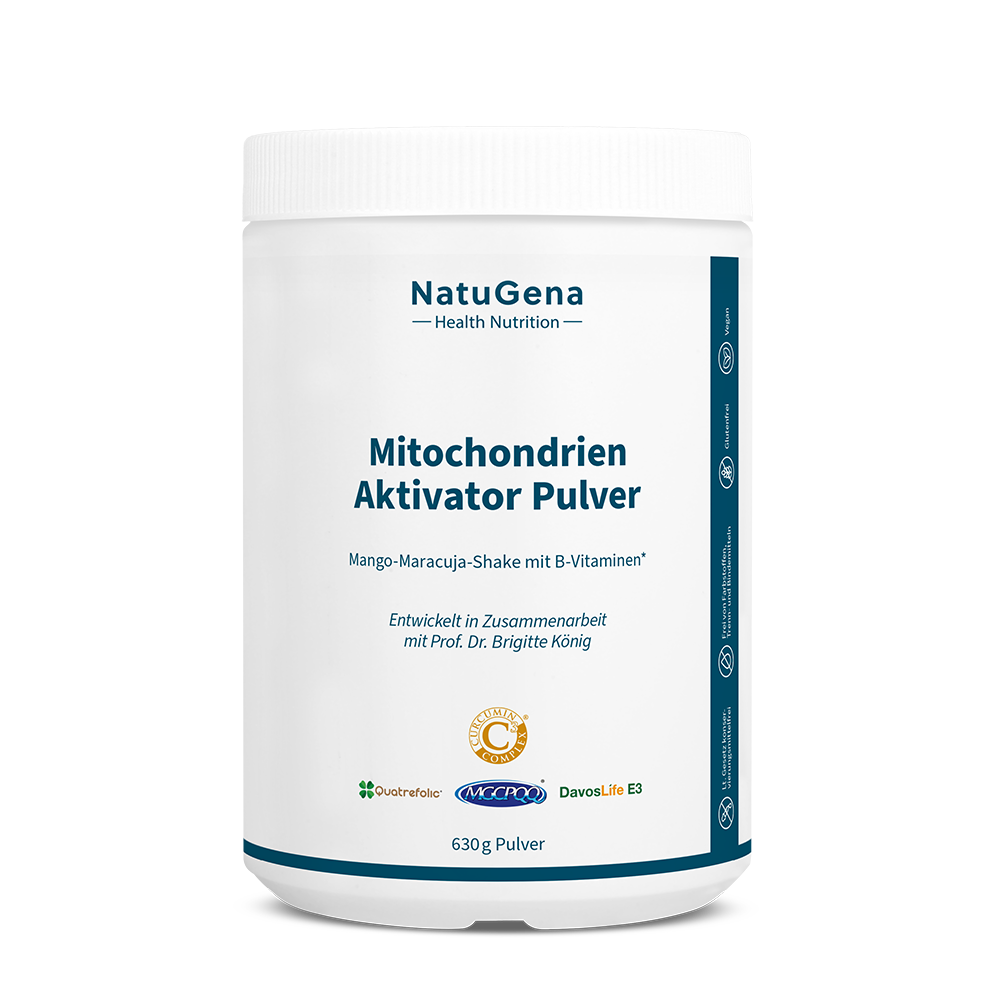
MitochondrienAktivator Powder
Mango-Maracuja-Shake
Tailored to specifically support mitochondrial function. Developed in collaboration with Professor Dr. Brigitte König.


89,95 €
Unsere Empfehlungen
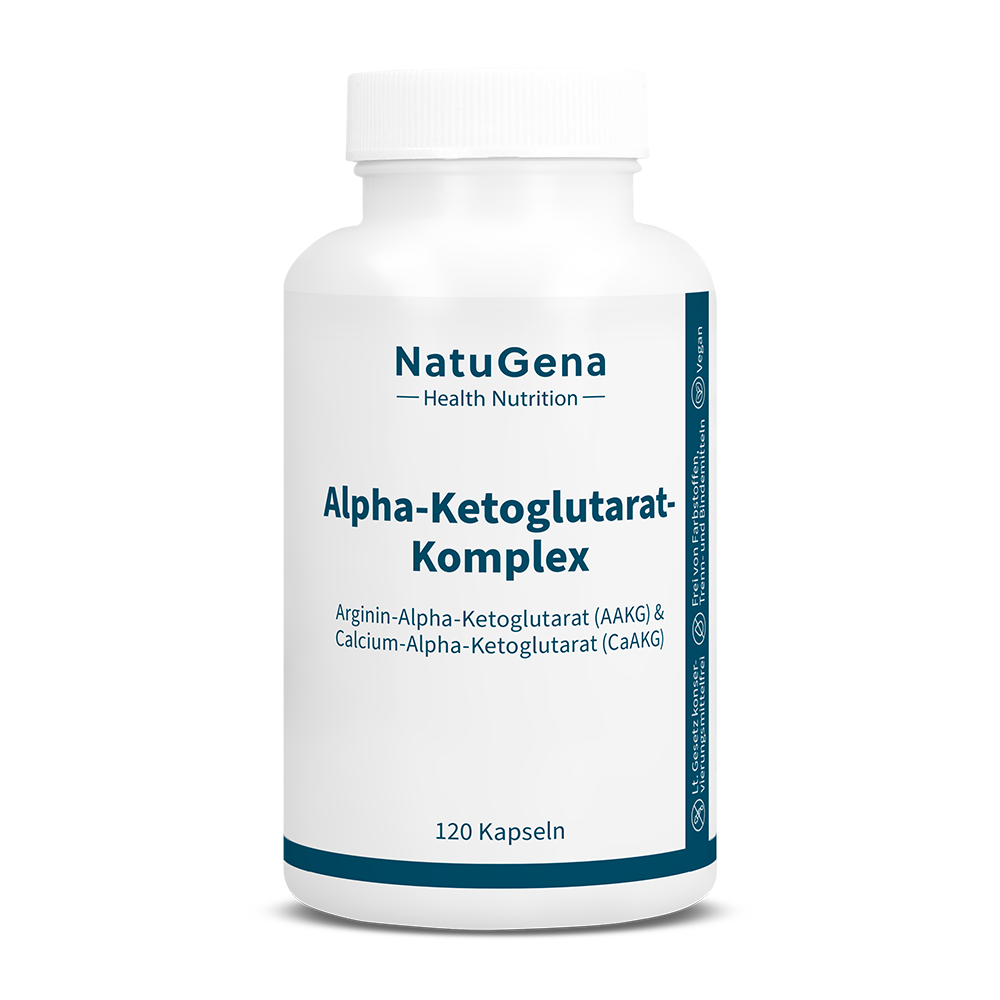
Alpha-Ketoglutarate Complex
Arginine alpha-ketoglutarate (AAKG) & calcium alpha-ketoglutarate (CaAKG)
24,95 Zum Produkt


Other Articles

28.10.2026 Anna Teresa Groß, Ernährungsberaterin und Fitnesscoach
Collagen – A True All-Rounder
Do you know that feeling? You look in the mirror in the morning and think to yourself, "Somehow my skin looks dull, and my cheeks don't seem as plump as they used to."
Read more
26.10.2026 Claudia Dippel, Heilpraktikerin
Nucleotides – The Underestimated Building Blocks of Life
Most people are familiar with amino acids – as the building blocks of proteins, essential for muscles, enzymes, and signaling molecules. Awareness of their importance has grown considerably in recent years. However, what many people are less familiar with are nucleotides, a group of substances that play a role at an even more fundamental biological level.
Read more
22.10.2026 Redaktion
Blue Light and Sleep: How Our Daily Habits Disrupt the Sleep-Wake Cycle
Using smartphones, working on computers, and streaming TV series – especially right before bedtime – can interfere with the function of our pineal gland. Among other things, this small gland regulates the release of the hormone melatonin, which is normally produced in greater amounts as darkness falls in the evening.
Read more