
01.10.2026 Redaktion
Recognizing Omega-3 Deficiency Symptoms: The Underestimated Nutritional Deficiency
Omega-3 fatty acids are among the essential nutrients that our bodies cannot produce on their own—so we must obtain them through our diet. They play numerous roles in the body, from cell structure and the cardiovascular system to the brain and eyes. The omega-3 fatty acids EPA (eicosapentaenoic acid) and DHA (docosahexaenoic acid), found in fatty ocean fish, are particularly important. The plant-based precursor ALA (alpha-linolenic acid), found in flaxseed oil, for example, also contributes to our intake.
A deficiency in omega-3 fatty acids is more widespread than many people realize. Modern diets often contain significantly more omega-6 than omega-3 fatty acids—an imbalance that can promote inflammatory processes in the body. People who eat little fish or follow a vegetarian or vegan diet are particularly at risk. However, even with a generally balanced diet, actual intake often falls short of what is needed.
Symptoms of omega-3 deficiency usually develop gradually and are not immediately recognized in daily life. How does an omega-3 deficiency manifest itself specifically—and what symptoms might indicate it? And how much omega-3 does the body need daily to be adequately supplied? The following article explores these questions in a structured manner.
What are omega-3 fatty acids?
Omega-3 fatty acids belong to the group of polyunsaturated fatty acids and are considered essential nutrients—the body cannot produce them on its own, which is why they must be obtained through the diet. The three most important types are:
- ALA (alpha-linolenic acid) – a plant-based precursor found, for example, in flaxseed oil, chia seeds, and walnuts
- EPA (eicosapentaenoic acid) – primarily found in fatty ocean fish and algae oil
- DHA (docosahexaenoic acid) – also found in fatty fish and microalgae
ALA is of plant origin and is found primarily in flaxseed oil, chia seeds, hemp seeds, and walnuts. It serves as a starting material for the body to produce EPA and DHA; however, the conversion rate is low: only a small portion of the ingested ALA is actually converted into the biologically more active forms EPA and DHA.
Differences Between Plant-Based and Animal-Based Sources
Plant-based sources provide only ALA, while EPA and DHA are found almost exclusively in animal-based foods such as fatty ocean fish (e.g., salmon, herring, mackerel). Microalgae offer a vegan alternative—they are a direct source of DHA and, to some extent, EPA as well, and are therefore increasingly used in vegan omega-3 supplements.
EPA and DHA: the active omega-3 fatty acids
EPA (eicosapentaenoic acid) is involved in inflammatory processes in the body. It serves as a precursor to so-called eicosanoids, which are involved in regulating inflammatory processes and play a role in vascular function.
DHA (docosahexaenoic acid) is found particularly in the brain and the retina of the eye. It is a component of cell membranes and plays a role in the development of the nervous system—especially during pregnancy and early childhood.
A balanced ratio of EPA and DHA supports heart health and cognitive function and helps reduce low-grade inflammation in the body. Since these fatty acids are often consumed only in small amounts in Western diets, an insufficient intake can contribute to the development of omega-3 deficiency symptoms over the long term. An adequate supply is provided through diet or, if necessary, through appropriate dietary supplements.
Symptoms of Omega-3 Deficiency: Recognizing Typical Signs
A deficiency in omega-3 fatty acids can manifest in a variety of ways—physically, mentally, and through the immune system. Because the symptoms of omega-3 deficiency often develop gradually and are nonspecific, they are frequently not directly linked to a nutrient deficiency in everyday life.
Omega-3 fatty acids such as EPA and DHA are involved in various processes in the body—from cell regeneration to nervous system function. If there is a prolonged deficiency, symptoms of omega-3 deficiency may manifest in the following ways, among others:
Typical signs of an omega-3 deficiency:
- Physical symptoms:
- Dry, flaky skin or irritated skin patches
- Brittle nails and hair loss
- Vision problems or dry eyes
- Joint stiffness or morning joint pain
- General feeling of physical weakness
- Mental symptoms:
- Difficulty concentrating and a feeling of mental “emptiness”
- Chronic fatigue, even with adequate sleep
- Low mood or depressive feelings
- Inner restlessness or irritability
- Signs related to the immune system:
- Frequent infections, such as colds or sore throats
- Delayed wound healing
- Increased tendency toward inflammation, e.g., of the skin or joints
Many of these symptoms are nonspecific and may have other causes.
However, if several of these symptoms of omega-3 deficiency occur at the same time, a deficiency should be considered. People who rarely eat fatty ocean fish or follow a vegetarian or vegan diet should be particularly mindful of their intake.
A blood test—such as the so-called Omega-3 Index—can provide insight into whether your body is getting enough of these important fatty acids. If a deficiency is found, it is recommended to make targeted adjustments to your diet or, if necessary, take high-quality dietary supplements.
Omega-3 Deficiency: An Overview of Causes and At-Risk Groups
An omega-3 deficiency usually does not develop overnight, but rather gradually—often without being noticed. One of the most common causes of omega-3 deficiency is a persistent imbalance between omega-6 and omega-3 fatty acids in the diet. In Western diets, the intake of omega-6-rich vegetable oils (e.g., sunflower or corn oil) often predominates, while omega-3 sources such as fatty sea fish or algae products are too rarely included in the diet. Over the long term, this imbalance can promote inflammation and further impair the absorption and utilization of omega-3 fatty acids.
Low dietary intake is also a common cause. Those who eat no fish or eat it only rarely—for example, for taste, health, or ethical reasons—typically consume too little EPA and DHA. Vegans and vegetarians in particular rely on obtaining omega-3 from plant sources such as flaxseed oil or chia seeds. However, these primarily provide ALA, only a small portion of which can be converted in the body into the active forms EPA and DHA.
In addition, there are life stages and groups of people in which omega-3 requirements are higher or where intake can be particularly critical:
- Pregnant and breastfeeding women: DHA plays a role in the development of the child’s brain and eyes; at the same time, the mother’s own needs increase during this period.
- Children and adolescents: are still growing; omega-3 is a component of cell membranes, including those in the nervous system.
- Older adults: may consume less omega-3 through their diet and metabolize it more slowly.
- Active individuals: During intense physical activity, anti-inflammatory processes play a role, and EPA is involved in these processes.
- People with chronic conditions: Certain metabolic disorders can lead to altered nutritional needs.
A conscious approach to nutrition is the key to preventing a deficiency and supporting long-term health and well-being.
Detecting an Omega-3 Deficiency: What the Omega-3 Index Reveals About Your Intake
Anyone who suspects they may have an omega-3 deficiency can now have this reliably checked with a blood test. The so-called Omega-3 Index is particularly well-established; as a recognized laboratory value, it provides information about long-term intake of the two most important omega-3 fatty acids.
The Omega-3 Index measures the proportion of EPA and DHA in the membranes of red blood cells. Unlike short-term measurements in blood plasma, this index reflects the average intake over several weeks and is therefore considered particularly meaningful.
What does the Omega-3 Index indicate?
The measured value is expressed as a percentage. Generally, the higher the value, the better the nutritional status.
A range between 8 and 11% is often described as favorable in scientific studies—particularly in relation to cardiovascular health. If your personal index falls below this range, you may want to consider adjusting your diet or taking targeted supplements.
The test is available through specialized laboratories or self-test providers. The results can serve as a basis for specifically assessing and, if necessary, adjusting your intake in cases of existing omega-3 deficiency symptoms.
Omega-3 Supplements: What to Look for When Choosing One
Although a balanced diet is generally the foundation of good nutrition, experience shows that it is often difficult to reliably meet the daily requirement for omega-3 fatty acids through food alone. In such cases, an omega-3 supplement can be a useful addition to specifically address any deficiency.
But not every product delivers what it promises. Anyone taking an omega-3 supplement should look for several quality indicators.
Important criteria when choosing omega-3 supplements:
- Purity and origin: For fish oil products, it is crucial that they are free of contaminants such as heavy metals, dioxins, or PCBs. High-quality manufacturers rely on purified oil from sustainable wild-caught fish or controlled aquaculture. Microalgae oil supplements offer a plant-based alternative—these are naturally vegan and provide DHA directly, and in some cases EPA as well.
- Ratio of EPA to DHA: It is not only the total amount of omega-3 that matters, but also the ratio of the two active forms. Supplements with a balanced ratio or one tailored to specific needs (e.g., a higher DHA content during pregnancy) are preferable.
- Dosage: To achieve noticeable results, the daily dose should be approximately 250–500 mg of EPA/DHA, depending on your goals—and in some cases, even more. Your specific needs can be determined using an omega-3 index.
- Form: Whether omega-3 capsules or oil are more suitable depends on personal preference. Capsules are tasteless and convenient for on the go. Oils can be easily incorporated into daily life—for example, in salads or smoothies. In any case, good stability is important to prevent oxidation.
Additionally, tolerability and additives play a role. Reputable manufacturers avoid unnecessary fillers, artificial flavors, or preservatives and have their products regularly tested by independent third parties.
Those taking targeted supplements should regularly monitor their effectiveness—for example, through a blood test to determine the omega-3 index. This allows dosage and product selection to be individually adjusted to ensure optimal intake.
Targeted Omega-3 Supplementation: An Overview of NatuGena Products
For anyone looking to specifically boost their omega-3 intake, NatuGena offers a selection of high-quality supplements—developed with a focus on purity, effectiveness, and individual needs. The products are based on scientific research, lab-tested, and free from unnecessary additives.
NatuGena Omega-3 products at a glance:
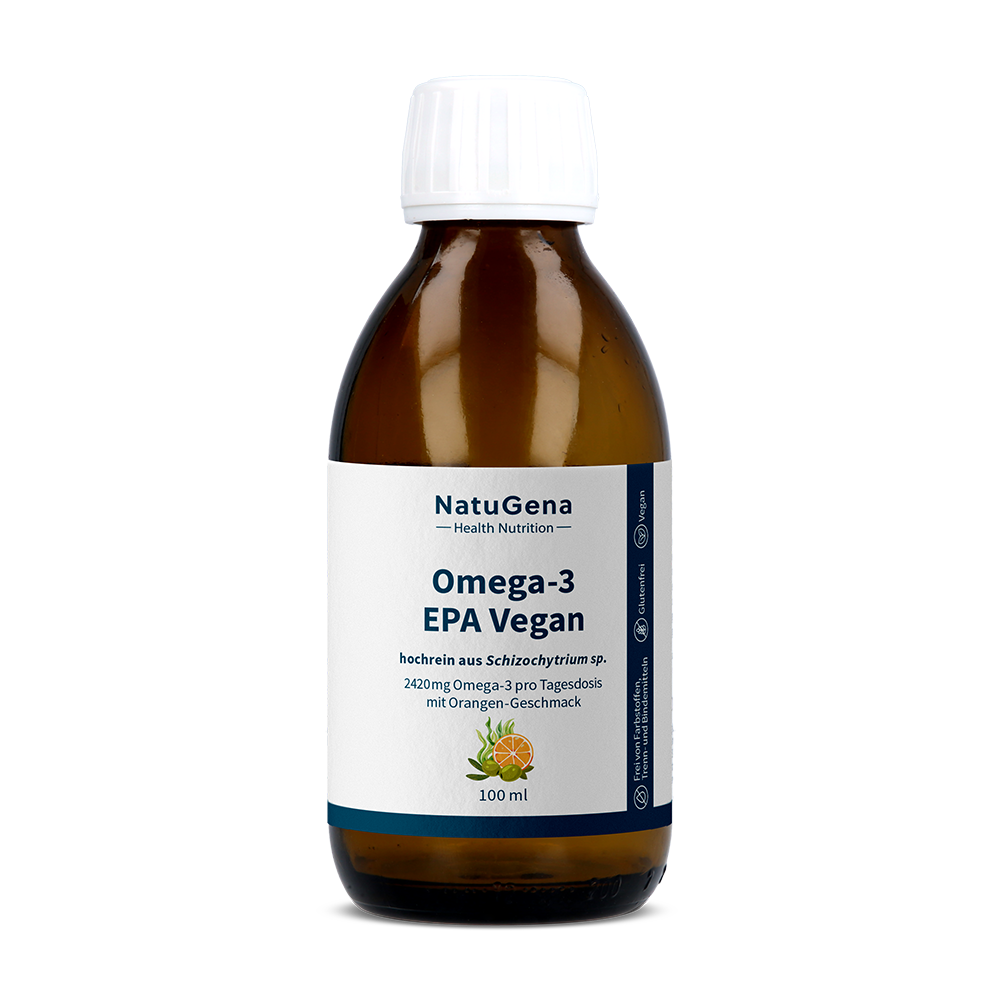
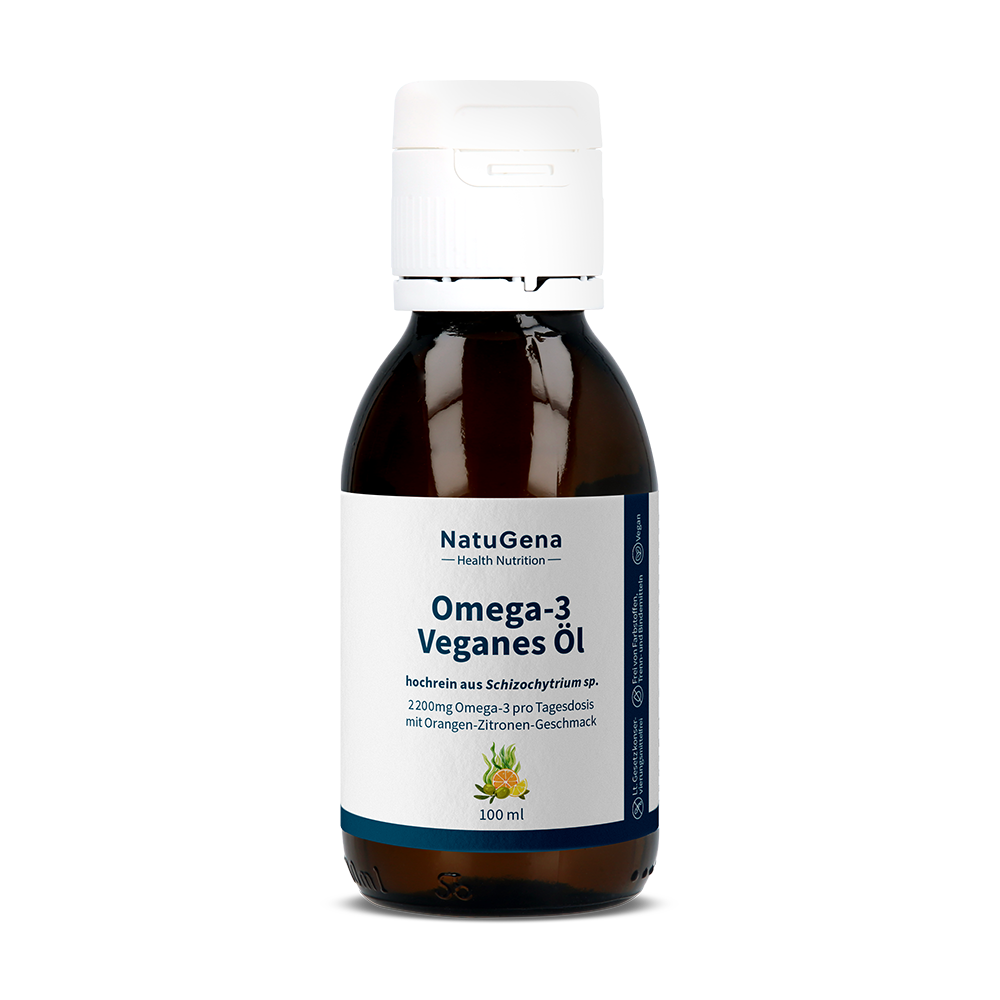
- Omega-3 Vegan Oil: A plant-based alternative made from algae oil—ideal for vegans and vegetarians. The oil provides directly bioavailable DHA and EPA in a controlled dosage and has a pleasantly mild taste.
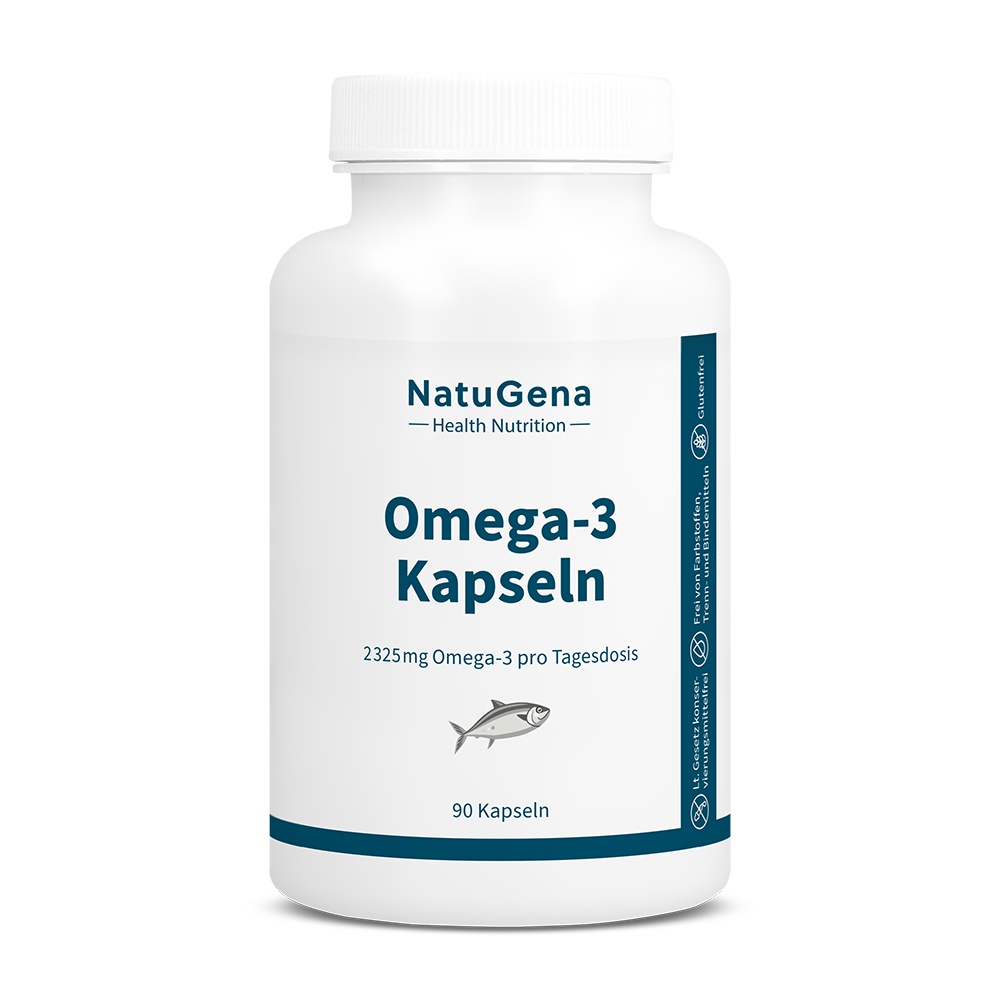
- Omega-3 Capsules: Classic fish oil capsules with purified and highly concentrated omega-3—free from heavy metals and contaminants. Ideal for anyone looking for a practical, tasteless solution.
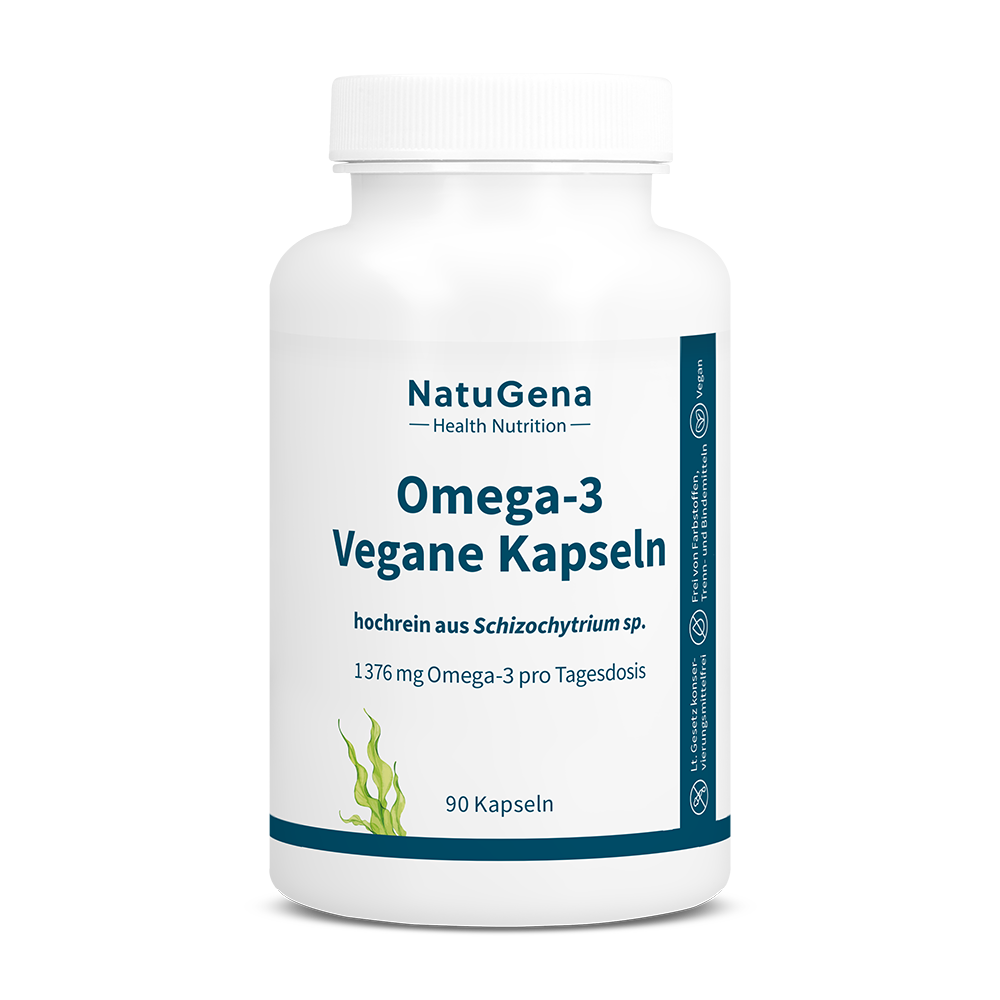
- Omega-3 Vegan Capsules: High-quality microalgae oil capsules with DHA and EPA—a vegan option free of fish ingredients, also ideal for those with sensitivities.
- MamaBox Veggie Oil & MamaBox Veggie Capsules: Specifically developed for pregnancy and breastfeeding—with an adjusted DHA/EPA ratio to support the baby’s development and the mother’s own nutritional needs.
- Omega-3 Fish Oil: A liquid omega-3 option made from fish oil sourced from sustainable fisheries—ideal for taking before or after a meal.
Conclusion: Take omega-3 deficiency symptoms seriously and assess your intake
Omega-3 fatty acids play a role in numerous bodily processes—yet a deficiency often goes unnoticed for a long time. If you experience symptoms of omega-3 deficiency, such as difficulty concentrating, dry skin, or frequent infections, or if you follow a predominantly plant-based diet, it may be wise to assess your intake.
An omega-3 blood test—such as the Omega-3 Index—can provide insight into your individual status. If dietary intake is insufficient to meet your needs, appropriate supplements—such as the tested products from NatuGena—can serve as a complementary option.
FAQ – Symptoms of Omega-3 Deficiency
How can you tell if you might have an omega-3 deficiency?
Symptoms of omega-3 deficiency are often nonspecific and usually develop gradually. These can include dry skin, difficulty concentrating, increased susceptibility to infections, joint pain, or persistent fatigue. However, a definitive diagnosis is not possible without diagnostic testing.
How common is an omega-3 deficiency?
There is an increased risk, particularly among people who rarely eat fatty sea fish or follow a vegetarian or vegan diet. Certain life stages, such as pregnancy, breastfeeding, or periods of rapid growth, can also be associated with altered nutritional needs.
How can an omega-3 deficiency be reliably diagnosed?
The so-called omega-3 index measures the proportion of EPA and DHA in red blood cells. This value provides insight into long-term supply over several weeks and is frequently used to assess an individual’s status.
How much omega-3 is needed daily?
The amount needed depends on age, life stage, and individual circumstances. A daily intake of 250–500 mg of EPA and DHA is often cited as a general guideline. An accurate assessment can be made by combining dietary analysis with laboratory test results.
Can omega-3 deficiency symptoms be addressed with supplements?
If dietary intake is insufficient to meet your needs, targeted supplementation may be considered. Ideally, this should be based on an assessment of your current intake to tailor the dosage and product selection to your individual needs.
Unsere Empfehlungen

Omega-3 Vegan Oil
With vegetable algae oil from sustainable and environmentally friendly cultivation
32,9528,01 Zum ProduktOther Articles

22.10.2026 Redaktion
Blue Light and Sleep: How Our Daily Habits Disrupt the Sleep-Wake Cycle
Using smartphones, working on computers, and streaming TV series – especially right before bedtime – can interfere with the function of our pineal gland. Among other things, this small gland regulates the release of the hormone melatonin, which is normally produced in greater amounts as darkness falls in the evening.
Read more
16.10.2026 Redaktion
Daylight Saving Time and Sleep Problems: Why Does Your Internal Clock Resist the Time Change?
The alarm goes off, but your head feels heavy. Although the clocks are turned back by one hour in autumn, seemingly allowing more time for rest, your usual routine can be thrown off balance. Many people struggle to fall asleep in the evening or wake up feeling exhausted.
Read more
12.10.2026 Redaktion
Omega-3 for Children: What Parents Should Keep in Mind in Everyday Family Life
Many parents are familiar with situations like these: Their child seems restless, has difficulty concentrating, or quickly feels overwhelmed. Homework takes forever, attention constantly shifts, and at the same time, the child finds it difficult to relax.
Read more