
29.08.2025 Redaktion
Immunoglobulins – A Fascinating and Essential Part of Our Body
Autumn is here — and with it comes an increase in colds, flu outbreaks, and other infections. Now is the time to pay special attention to your immune system. But how does our body's defense system actually work? What weakens it—and what can we do to keep it in top shape? This article provides a clear overview so that you are well prepared for the cold season.
Structure and function of the immune system
The immune system protects us from pathological cell changes and pathogens such as bacteria, viruses, fungi, and parasites. It distinguishes between foreign structures (antigens) and the body's own healthy structures.
It consists of organs, tissues, cells, and proteins that work closely together.
Innate immune defense: acts quickly, protects via the skin and mucous membranes, phagocytes, and enzymes.
Acquired immune defense: reacts specifically to known pathogens and forms memory cells.
Children catch colds more often because their immune system first has to “learn.” Adults benefit from memory cells that have already been formed.
What weakens the immune system?
- Unhealthy, high-fat, low-fiber diet
- Excessive alcohol consumption
- Smoking
- Dry heated air
- Chronic stress
- Lack of sleep
-
Age-related immune deficiency (immunosenescence)
What strengthens the immune system?
- Endurance sports: moderate exercise 3–5 times a week for 30–60 minutes
- Sufficient sleep: 7–8 hours per night
- Healthy diet: rich in fiber, vitamins, and minerals
- Mediterranean diet: rich in vegetables, legumes, nuts, olive oil, and fish
- Home remedy: chicken soup can have a mild anti-inflammatory effect
- Targeted nutritional supplements for proven deficiencies
Secondary plant substances – natural helpers for the immune system
In addition to vitamins, minerals, and fiber, so-called secondary plant substances also play a role in our health. These substances occur naturally in fruit, vegetables, legumes, nuts, herbs, and spices. They are not essential for life like vitamins or minerals, but they can have positive effects on various bodily functions – among other things, by protecting our cells from oxidative stress or supporting defense mechanisms.
The most important groups include:
- Carotenoids (e.g., in carrots, tomatoes, pumpkin)
- Polyphenols such as flavonoids (e.g., in berries, grapes, green tea)
- Glucosinolates (e.g., in broccoli, Brussels sprouts, mustard)
- Saponins (e.g., in legumes)
Tip: Eat colorful foods! The more variety of colors on your plate, the broader the spectrum of phytochemicals—and thus the potentially positive contribution to our immune system.
A strong immune system is not a coincidence, but the result of many small, healthy decisions in everyday life – from a balanced diet and sufficient exercise to restful sleep. If you follow these basic principles, you will create the best foundation for preventing infections.
In the next part of our series, we will focus on a particularly well-known helper for the immune system: vitamin C.
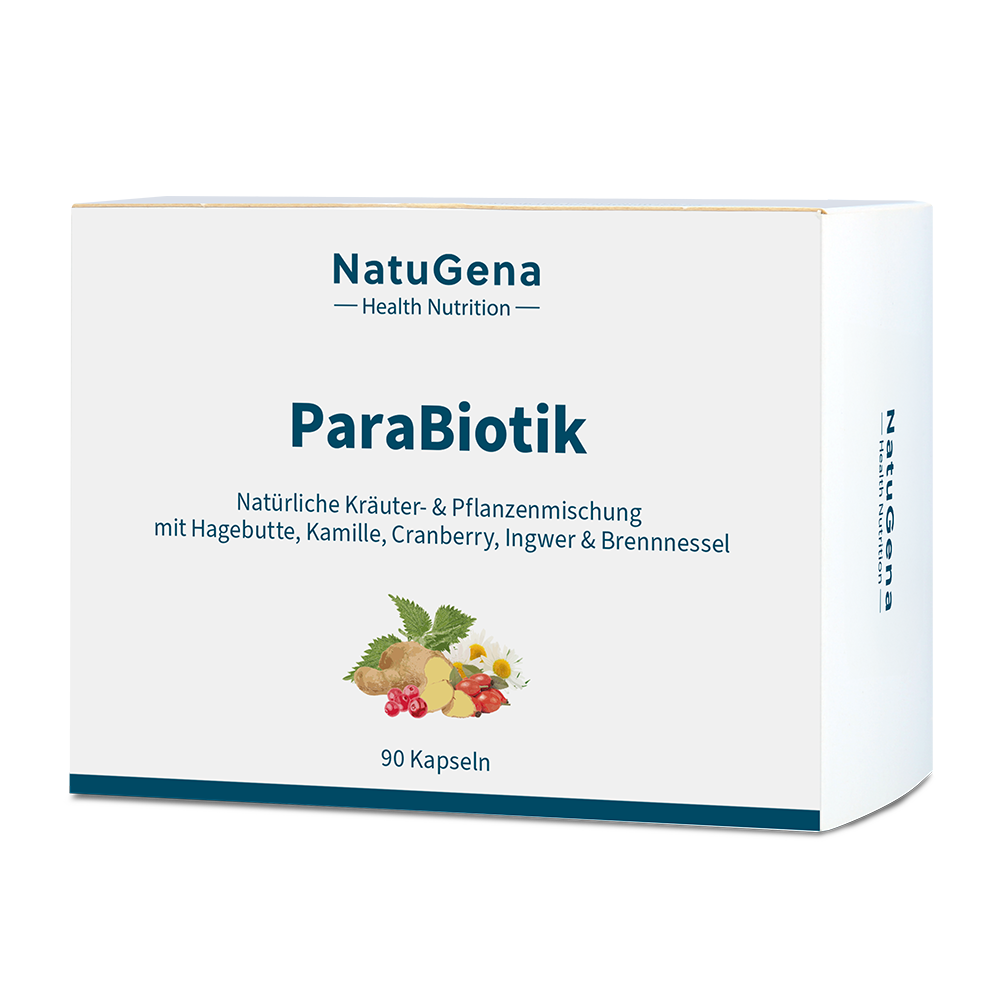
ParaBiotics
High-dose herbal blend
Herbal and plant blends combined with selenium, zinc and vitamins.


29,95 €
Other Articles

22.10.2026 Redaktion
Blue Light and Sleep: How Our Daily Habits Disrupt the Sleep-Wake Cycle
Using smartphones, working on computers, and streaming TV series – especially right before bedtime – can interfere with the function of our pineal gland. Among other things, this small gland regulates the release of the hormone melatonin, which is normally produced in greater amounts as darkness falls in the evening.
Read more
16.10.2026 Redaktion
Daylight Saving Time and Sleep Problems: Why Does Your Internal Clock Resist the Time Change?
The alarm goes off, but your head feels heavy. Although the clocks are turned back by one hour in autumn, seemingly allowing more time for rest, your usual routine can be thrown off balance. Many people struggle to fall asleep in the evening or wake up feeling exhausted.
Read more
12.10.2026 Redaktion
Omega-3 for Children: What Parents Should Keep in Mind in Everyday Family Life
Many parents are familiar with situations like these: Their child seems restless, has difficulty concentrating, or quickly feels overwhelmed. Homework takes forever, attention constantly shifts, and at the same time, the child finds it difficult to relax.
Read more