
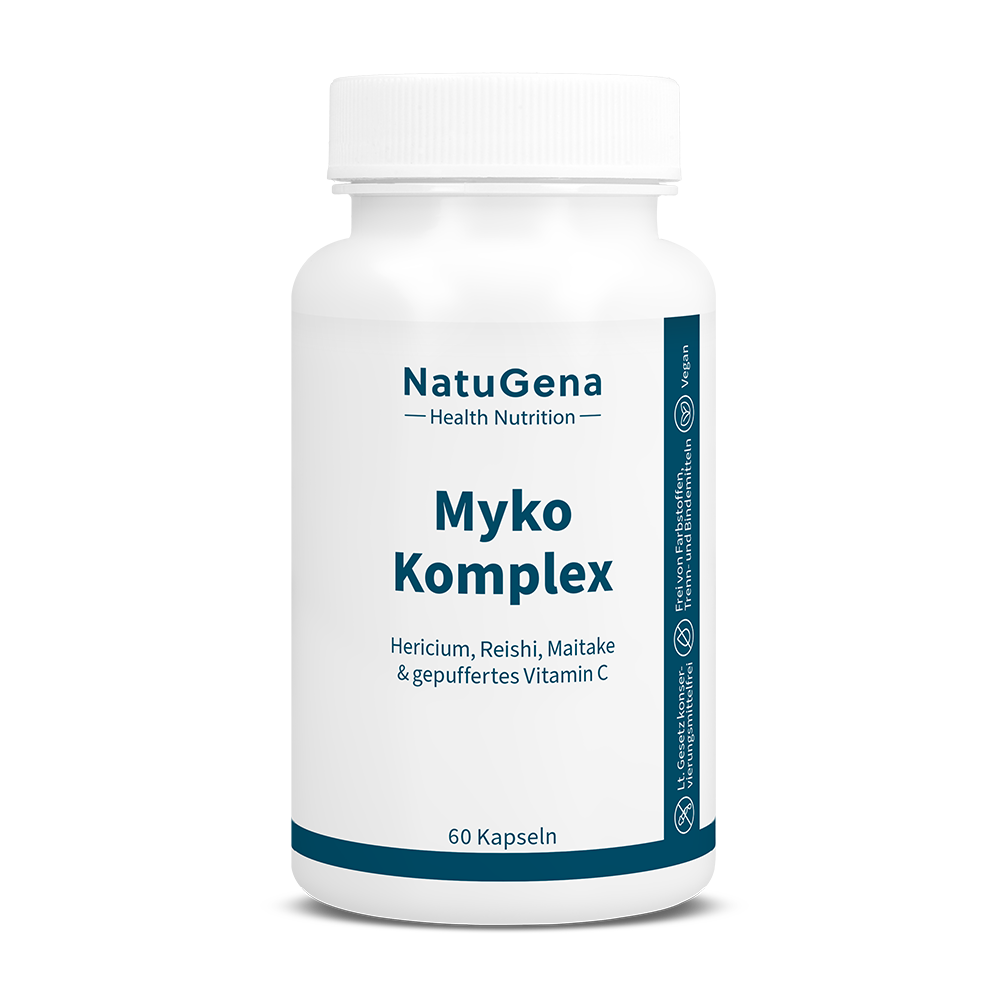
Myko-Complex
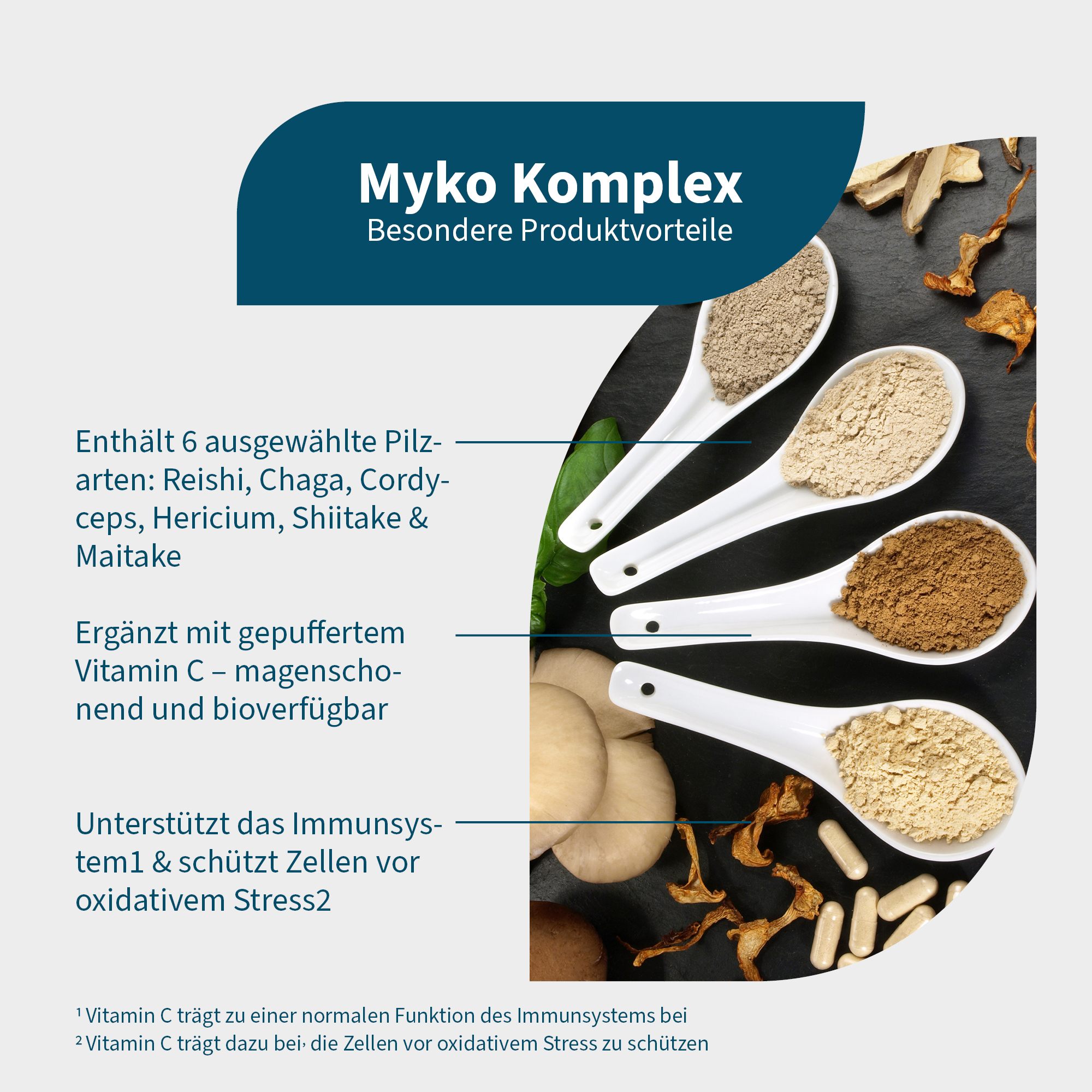
Reishi, Chaga, Cordyceps, Hericium, Shiitake & Maitake
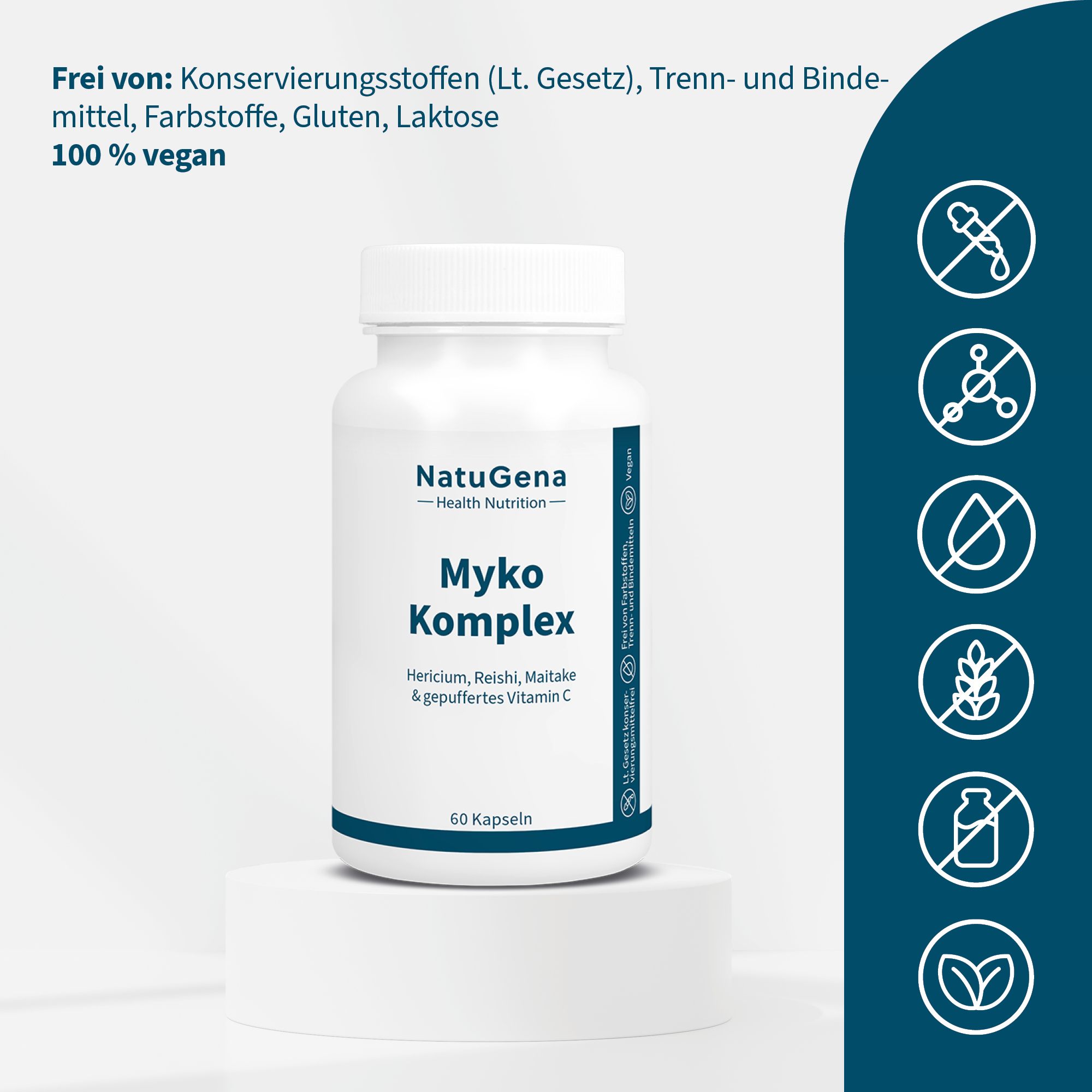
- Free of dyes
- Gluten-free
- Preservative-free as required by law
- Lactose-free
- Vegan
- Free of anti-caking and binding agents
| Price Tiers |
| from 1 Pieces | 32,95 € |
| from 3 Pieces | 29,95 € |
| from 5 Pieces | 28,95 € |
Myko-Complex by NatuGena – Reishi, Chaga, Cordyceps, Hericium, Shiitake & Maitake. The unique combination of six significant medicinal mushrooms for daily needs. Each package contains 60 vegan capsules, sufficient for a 1‑month supply.
- Reishi and Chaga: Reishi, known as the “divine mushroom of immortality”, and Chaga with its exceptionally high ORAC value deliver valuable polysaccharides and triterpenes
- Cordyceps and Hericium: Cordyceps contains bioactive compounds such as ergosterol and cordycepin. Hericium, also called “lion’s mane”, delivers essential amino acids and minerals
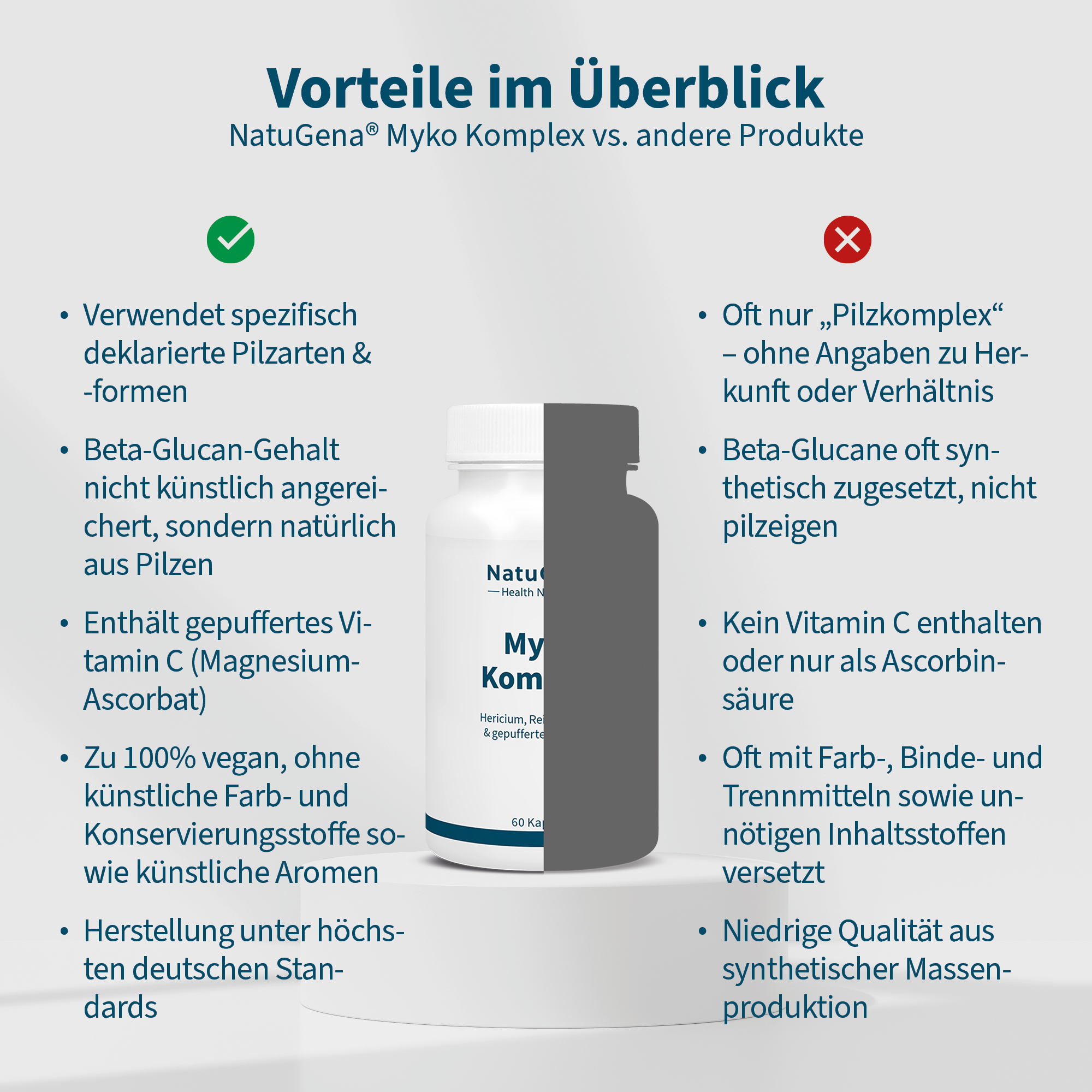
- Shiitake and Maitake: Shiitake and Maitake are rich in beta‑glucans and natural bitter compounds, which emphasise their versatility
- Buffered vitamin C: Magnesium ascorbate as buffered vitamin C ensures stomach‑friendly absorption
- Made in Germany: Exceptional purity and bioavailability for optimal nutrient uptake

Why are functional mushrooms so valuable?
Functional mushrooms have fascinated people for centuries due to their variety of natural constituents. In ancient cultures – particularly in Asia – they held a firm place in both nutrition and traditional herbal knowledge. They contain vitamins, minerals, and secondary plant substances such as polysaccharides, triterpenes or glycoproteins, which give the mushrooms their characteristic properties.

What makes Reishi and Chaga so special?
Chaga grows parasitically on weakened birch trees and is easily recognised by its dark, almost black surface. Its distinctive colouring is due to its natural melanin content. With an impressive ORAC value of over 1,000,000 µmol TE/100 g, Chaga ranks among the leaders in this area. As Chaga is not suitable as an edible mushroom, Chaga powder offers a convenient way to benefit from its valuable properties.
Reishi, on the other hand, is a traditional mushroom with a long history in Asia, where it is also called the “mushroom of immortality.” Both mushrooms are rich in natural plant compounds and count among the best-known medicinal mushrooms of all.

How are Cordyceps and Hericium traditionally used?
Cordyceps, the “Chinese caterpillar fungus”, has been a central part of TCM (Traditional Chinese Medicine) for centuries and is valued for its special properties. The endangered mushroom grows only in the high mountains (on the Qinghai‑Tibet Plateau) in southwestern China and Tibet. Fortunately, the mycelium of Cordyceps sinensis can nowadays be excellently cultivated on a plant‑based substrate such as rice. Hericium, also known as “lion’s mane”, has long been valued in both traditional herbal knowledge and the kitchen. In addition to its high mineral content, it contains above‑average amounts of essential amino acids relevant to humans.
What benefits do Shiitake and Maitake offer?
Shiitake and Maitake are among the most popular edible mushrooms worldwide. In addition to their typical flavour, they also contain polysaccharides such as beta-glucans, which contribute to the mushroom’s structure. They are valued not only for culinary use but also for their complex composition, which has long played a role in herbal practice.
Why is vitamin C a smart addition?
In NatuGena Myko-Complex, buffered vitamin C is added to the mushroom extracts. Vitamin C contributes to the normal function of the immune system and supports the protection of cells from oxidative stress.
Quality
- No separating agents, binding agents or colourants
- Free from genetic engineering, nanoparticles and animal testing
- Hypoallergenic and sensitive formulations (e.g. free from lactose, soya and gluten where possible)
- Ultra-pure, plant-based coating agents (HPMC) and food-safe, light-protected containers
- Free from unwanted additives such as PEG, silicon dioxide, magnesium stearate & titanium dioxide
- Premium raw materials from pure substances
- Regular, independent testing for harmful substances
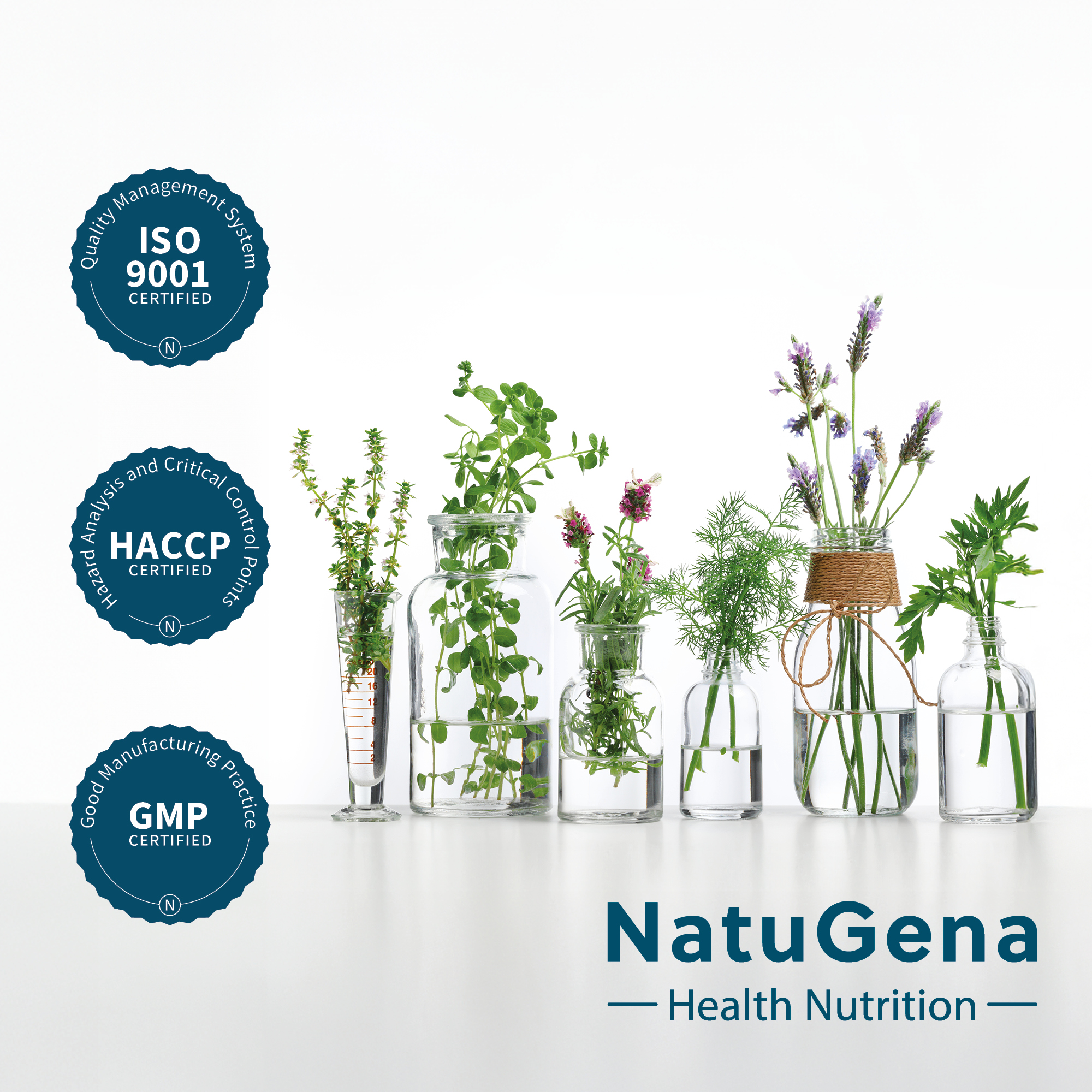
- Production in accordance with German quality standards (GMP, HACCP, ISO 9001)
Recommended Consumption
2 capsules once a day, or 1 capsule twice a day. It is best to take them with a meal and 250 ml of still water.
Notes
Food supplements should not be used as a substitute for a balanced and varied diet and a healthy lifestyle. Keep out of reach of small children. Store in a cool, dry place away from light. Do not exceed the recommended daily intake.
Content
| Ingredients per | Daily Dose | NRV¹ |
|---|---|---|
| Reishi Powder | 200 mg | |
| Maitake Powder | 200 mg | |
| Chaga Extract | 50 mg | |
| – of which Polysaccharides | 20 mg | |
| Cordyceps Extract | 50 mg | |
| – of which Polysaccharides | 15 mg | |
| Hericium Extract (30:1) | 200 mg | |
| – of which Polysaccharides | 60 mg | |
| – of which Beta-Glucans | 10 mg | |
| Reishi Extract (6:1) | 100 mg | |
| – of which Polysaccharides | 40 mg | |
| Shiitake Extract | 100 mg | |
| – of which Polysaccharides | 30 mg | |
| Vitamin C (buffered) | 100 mg | 125 |
1 Nutrient Reference Value (NRV) for an average adult according to Regulation (EU) No. 1169/2011 (expressed as %).
Composition
Coating agent: Hydroxypropyl Methylcellulose (HPMC); Hericium Extract, Reishi Powder, Maitake Powder, Magnesium Ascorbate, Reishi Extract, Shiitake Extract, Chaga Extract, Cordyceps Extract.
Blog Articles
Vitamin C – The Classic Choice for Our Immune System and Its Forms of Administration
It’s hard to imagine daily life without vitamin C, and it’s often the first thing people mention when it comes to supporting the immune system. But there’s much more to this well-known nutrient than just a supplement for the cold season. From its historical beginnings on the high seas to cutting-edge technological developments, our understanding of its absorption and effects has steadily deepened. A look at its history and the various modern forms available reveals just how versatile this vitamin truly is.
Read more
Immunoglobulins – A Fascinating and Essential Part of Our Body
The term "immunoglobulins" might sound a bit complex, but don’t worry: it represents a fascinating and vital part of our body that protects us daily. This article explains what immunoglobulins are, why they are important, and what to consider if levels are too low.
Read moreFAQ
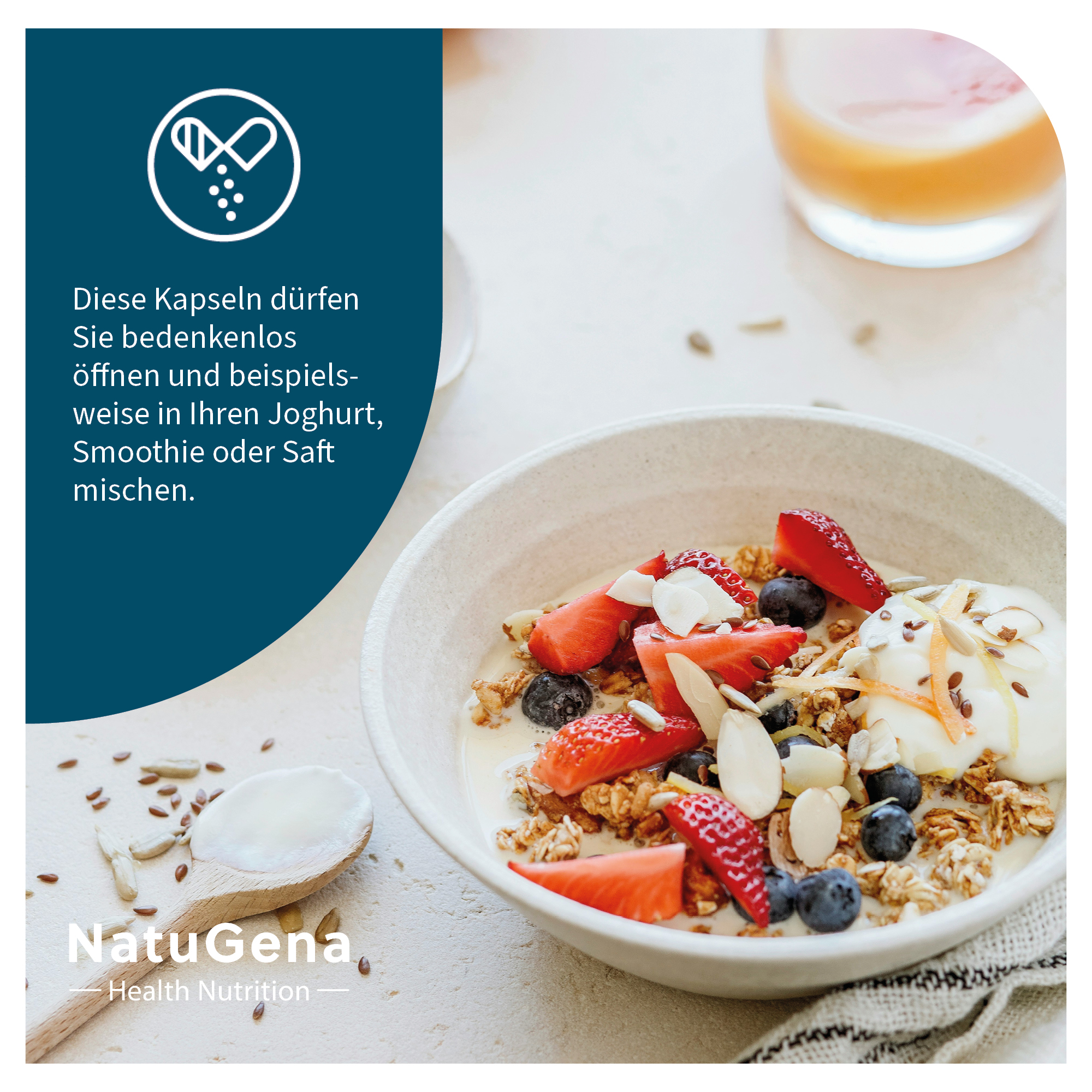
Most of our capsules can be opened without any concerns. The contents can be stirred into yogurt, plant-based yogurt, applesauce, smoothies, or juice, for example.
One of the reasons we encapsulate the ingredients is to keep their sometimes intense natural taste and smell as neutral as possible. When opened, the taste and smell may therefore be more noticeable.
Did you know? Our capsules can be easily opened by gently twisting them.
Please do not open: enteric-coated capsules
For certain bacterial and enzyme products, we use enteric-coated capsules. These should not be opened, as doing so may alter the intended release profile.
These include, for example:
- Bacterial preparations, such as HistaBakt, MakroAktiv, and BactoGena 21+2
- Enzyme products, such as N-Zymarase® Intest and N-Zymarase® Inflam. Exception: N-Zymarase Komplex contains betaine HCl, which is intended to take effect in the stomach; therefore, it does not have an enteric-coated capsule shell and can be opened
- Soft capsules with liquid contents, such as omega-3 capsules, are also not intended to be opened. In this case, you can switch to the liquid oil instead.
If you have any questions, please contact our advisory team at info@natugena.de.
From the very beginning, NatuGena has used exceptionally pure, plant-based HPMC capsules in the majority of its products. HPMC stands for hydroxypropyl methylcellulose and is made from plant-based cellulose.
Unlike many HPMC capsules commonly available on the market, the coating agents we use contain no carrageenan or PEG. Although they are more expensive, they meet our high standards for a carefully selected and transparent product composition.
Our plant-based HPMC capsules are:
- 100% plant-based cellulose (HPMC)
- Carrageenan-free
- PEG-free
- Gelatin-free
- GMO-free
- Free of allergens and irritants
What types of capsule shells are used in omega-3 products?
Special softgels are required for liquid oils. Our classic omega-3 capsules therefore contain a coating made from gelatin and glycerin and are not vegan.
In our vegan omega-3 capsules made from algae oil, the coating consists of glycerin and modified cornstarch and contains no gelatin. This makes these capsules suitable for a vegan diet.
The exact composition of each coating agent is clearly listed in the ingredients list.
It All Comes Down to the Composition
Conventional capsule shells may contain technical additives—such as anti-caking agents, release agents, or binders—due to the manufacturing process. These components aren’t always immediately apparent, as certain processing aids aren’t required to be listed in the ingredients list.
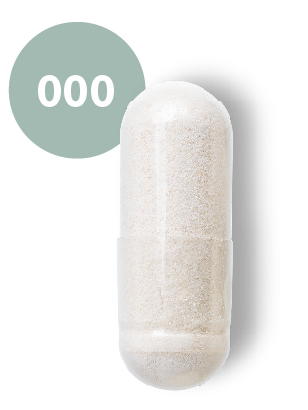
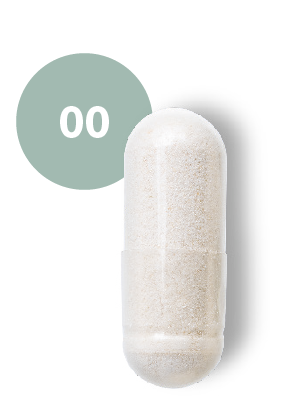
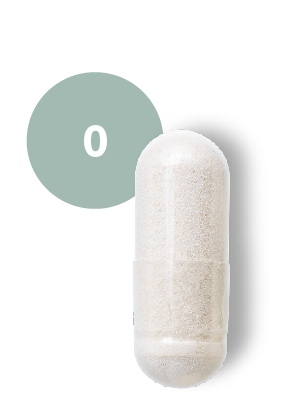
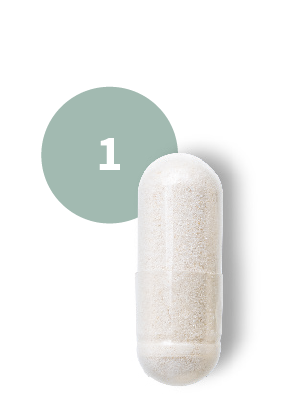
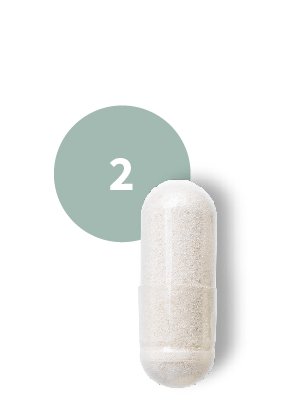
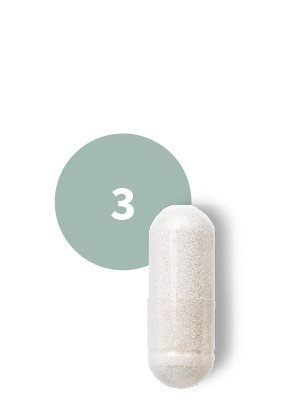
Most of the NatuGena capsule products are size 00 (8,2 × 23,3 mm) to 0 (7,3 × 21,2 mm). Information on the capsule sizes of individual products can be found on the relevant product page or by contacting info@natugena.de
 |
 |
 |
 |
 |
 |
|---|---|---|---|---|---|
| 9,5 × 26,1 mm | 8,2 × 23,3 mm | 7,3 × 21,2 mm | 6,6 × 19,0 mm | 6,1 × 17,3 mm | 5,6 × 15,4 mm |
| z. B. Lysin & Vitamin C, Monacolin K 3 |
z. B. Magnesia 7+1, MitochondrienAktivator 44+14, HeparAktiv |
z. B. ZellEnergie, MultiVegan, Astaxanthin |
z. B. HistaBakt, Bor, Bioaktiver B-Komplex |
not in use | z. B. Kupfer, LipoVitamine 10 000, Mangan-Komplex |
We work with the independent laboratory AgroLab, which we commission to perform microbiological and heavy metal tests.
In our microbiological testing, we measure the aerobic mesophilic plate count (total plate count), as well as the levels of Escherichia coli (E. coli), yeasts, Salmonella, molds, and staphylococci.
For heavy metals, we test for arsenic, lead, cadmium, and mercury in accordance with the limit values specified in Regulation (EU) 2023/915.
The optimal duration of use depends on the specific nutrient, your initial situation, diet, and individual requirements.
There is therefore no one-size-fits-all recommendation for how long a product should be taken. For products intended to support nutrient intake over a longer period, use over several weeks to months may be appropriate. In many cases, a period of around three months may be suitable before nutrient status and further requirements are reassessed.
In the case of diagnosed deficiencies, medical conditions, or the use of medication, the use of supplements should be individually discussed with a doctor or qualified healthcare professional.
The optimal time to take a supplement depends on the specific nutrient, individual tolerance, and the composition of the product. However, some ingredients can be particularly well suited to certain times of day or meals.
In the morning
Stimulating ingredients are often preferably taken in the morning or during the first half of the day. These include, for example:
- Coenzyme Q10
- Green tea extract
- Certain B vitamins
Especially for sensitive individuals, it may be advisable to avoid taking stimulating ingredients immediately before bedtime.
Throughout the day
For some nutrients, it may be beneficial to divide the daily amount into several doses.
Water-soluble vitamins such as B vitamins and vitamin C can be taken throughout the day.
Magnesium can also be divided into several doses rather than taking the entire daily amount at once. This may improve tolerance, particularly with higher amounts.
In the evening
Depending on the type of magnesium compound, taking it in the evening may be beneficial. Magnesium glycinate, for example, is often preferably taken in the evening.
In general, however, the best time to take a product also depends on when it is individually best tolerated and can be reliably incorporated into your daily routine.
With a meal
Some nutrients benefit from being taken together with a meal.
Fat-soluble vitamins A, D, E, and K can be taken together and ideally with a meal containing some fat.
Omega-3 fatty acids should also be taken regularly with a meal. Omega-3 oils can be combined well with fat-soluble vitamins.
Many plant-based ingredients can also be taken as part of a meal or together with omega-3 products. However, the optimal timing depends on the specific plant compound and product formulation.
Zinc can cause nausea or stomach discomfort on an empty stomach in some people. If you have a sensitive stomach, it is therefore advisable to take zinc with a meal.
Between meals
Iron is often taken separately from meals, as various foods and beverages can affect its absorption. It is particularly advisable to leave a gap between iron and:
- Coffee and tea
- Caffeinated beverages
- Milk and dairy products
- Calcium- or mineral-rich supplements
However, if you have a sensitive stomach, iron can also be taken with a meal. In this case, individual tolerance is more important than a theoretically optimal intake situation.
Enzyme supplements vary depending on their intended use: digestive enzymes are generally taken with meals. Products that are specifically intended to be taken between meals may, for example, be taken around 30 minutes before a meal. The product's specific recommended intake should always be followed.
Around exercise
Proteins and amino acids can be taken both before and after training.
If you exercise on an empty stomach, taking them around 30 minutes before training may be beneficial. If you have already eaten a protein-rich meal, you can also plan your protein intake for after training.
In general, ensuring sufficient protein intake throughout the entire day is more important than adhering to a narrow time window around your workout.
Country-specific information
This item may not be resold in the following countries: Switzerland
Responsible person for the EU
The economic operator based in the EU responsible for this product:
NatuGena GmbH, Münchener Str. 149, 85051 Ingolstadt, Germany,
+49 841 90 255 000, info@natugena.de, https://www.natugena.de