
02.04.2026 Magdalena Meier, M.Sc. Biologie
Vitamin C – The Classic Choice for Our Immune System and Its Forms of Administration
Vitamin C: Its “Discovery” and Importance for the Body
It’s hard to imagine daily life without vitamin C, and it’s often the first thing people mention when it comes to supporting the immune system. But there’s much more to this well-known nutrient than just a supplement for the cold season. From its historical beginnings on the high seas to cutting-edge technological developments, our understanding of its absorption and effects has steadily deepened. A look at its history and the various modern forms available reveals just how versatile this vitamin truly is.
Of Sailors and Citrus Fruits – The History of Vitamin C
Vitamin C is one of the best-known vitamins and has been part of human life for a very long time. Observations that certain foods had a positive effect on health and the immune system date back to early times. At that time, however, it remained unclear which component was responsible for this effect.
Particularly well-known is the story of sailors in the 17th and 18th centuries. On long voyages, many crew members suffered from scurvy, a dreaded disease caused by vitamin C deficiency. As soon as the sailors began regularly including citrus fruits or sauerkraut in their rations, the disease was brought under control.
It wasn’t until 1932 that vitamin C was first scientifically isolated from lemon juice by biochemist Charles Glen King. This marked an important milestone in nutritional research and the beginning of its study.
Natural Sources: A Variety of Fruits and Vegetables
Some animal species, such as dogs, cats, and horses, produce vitamin C on their own. The human body, however, does not have this ability. Therefore, it must be obtained regularly through diet or supplements.
Fortunately, nature offers a wide variety of options to meet this need. The produce section, in particular, is full of excellent sources:
- Bell peppers (the top source of vitamin C)
- Berries
- Broccoli
- Citrus fruits
Since vitamin C is sensitive to heat, light, and oxygen, gentle preparation can help preserve its content better.
A Strong Immune System – Support for Immune Function and Cell Protection
Vitamin C is a true all-rounder for our body, as it supports many important functions:
- Immune System and Cell Protection: Vitamin C contributes to the normal function of the immune system and helps protect cells from oxidative stress.
- Collagen formation: It supports collagen production, which plays a role in the health of skin, bones, cartilage, teeth, and blood vessels.
- Energy metabolism and nerves: The vitamin contributes to normal energy metabolism and can help reduce tiredness and fatigue.
- Iron absorption: A practical benefit is seen in the diet, as vitamin C improves the absorption of iron from plant-based foods.
From Liposomes to PureWay-C® – New Approaches in Dietary Supplements
In addition to traditional ascorbic acid, various modern forms of administration are now available, each differing in terms of tolerability, application, and manufacturing.
Buffered Vitamin C
In this form, ascorbic acid is combined with minerals such as calcium, magnesium, or potassium. The result is a less acidic form that is often found to be much more pleasant by people with sensitive stomachs. At the same time, buffered vitamin C can make a small contribution to mineral intake.
Liposomal Vitamin C
This is an innovative formulation in which vitamin C is encapsulated in tiny fat globules known as liposomes. These resemble biological cell membranes, allowing the micronutrient to be absorbed directly through the mucous membranes. Liposomal vitamin C is available in various forms, including a spray, and is considered particularly convenient for everyday use. When it comes to vitamin C intake, liposomal forms are considered the most advanced development in the field of dietary supplements.
PureWay-C®
This modern formulation combines vitamin C with plant-based lipids and citrus bioflavonoids. It “replicates” the natural occurrence of vitamin C in fruits and vegetables. This special structure ensures good stability and enables delayed absorption, which benefits bioavailability. PureWay-C® is therefore primarily found in the high-quality dietary supplement segment.
Outlook: Why Vitamin C Remains at the Center of Research
Vitamin C has a long and fascinating history and remains at the forefront of modern nutritional science. In the future, research and science are expected to continue to yield new solutions to make vitamin C intake even more tailored and convenient. Of course, a varied diet remains the most important foundation for adequate intake.
Frequently Asked Questions About Vitamin C
What roles does vitamin C play in the human body?
Vitamin C is a versatile nutrient that supports the normal function of the immune system and protects cells from oxidative stress. It is also essential for collagen formation, which promotes the health of skin, bones, teeth, and blood vessels. This vitamin also improves iron absorption from plant-based foods.
Which foods are particularly rich in vitamin C?
Excellent natural sources include, above all, red and yellow vegetables as well as various fruits. Bell peppers are considered the top source, but broccoli, berries, citrus fruits, and sauerkraut also provide significant amounts of this vitamin.
How much vitamin C can the body absorb per single dose?
The intestine’s absorption capacity is limited. Larger amounts exceeding 200 mg per single dose often lead to a decreased absorption rate, as excess water-soluble vitamin C is simply excreted in the urine. Spreading smaller doses throughout the day is therefore often more effective than a single high dose.
When is the ideal time to take it?
Intake can be flexible, though taking it with a meal can improve tolerability. Especially for those with sensitive stomachs, combining it with solid food is recommended to minimize acid exposure.
What should smokers or people under severe stress pay particular attention to?
These groups often have an increased need for vitamin C, as oxidative stress and metabolic processes in smokers deplete vitamin C stores more quickly. In these cases, consciously increasing daily intake can be helpful to maintain stable levels.
What are the signs of a prolonged vitamin C deficiency?
A deficiency often manifests as increased susceptibility to infections, delayed wound healing, or general fatigue. Historically, the extreme example of scurvy is well known, which is associated with bleeding gums and muscle weakness; however, this is rarely seen today with a varied diet.
Are there side effects from a significant overdose?
Although vitamin C is water-soluble, very high doses of several grams per day can strain the digestive system. The body tries to eliminate the excess, which can lead to diarrhea or loose stools.
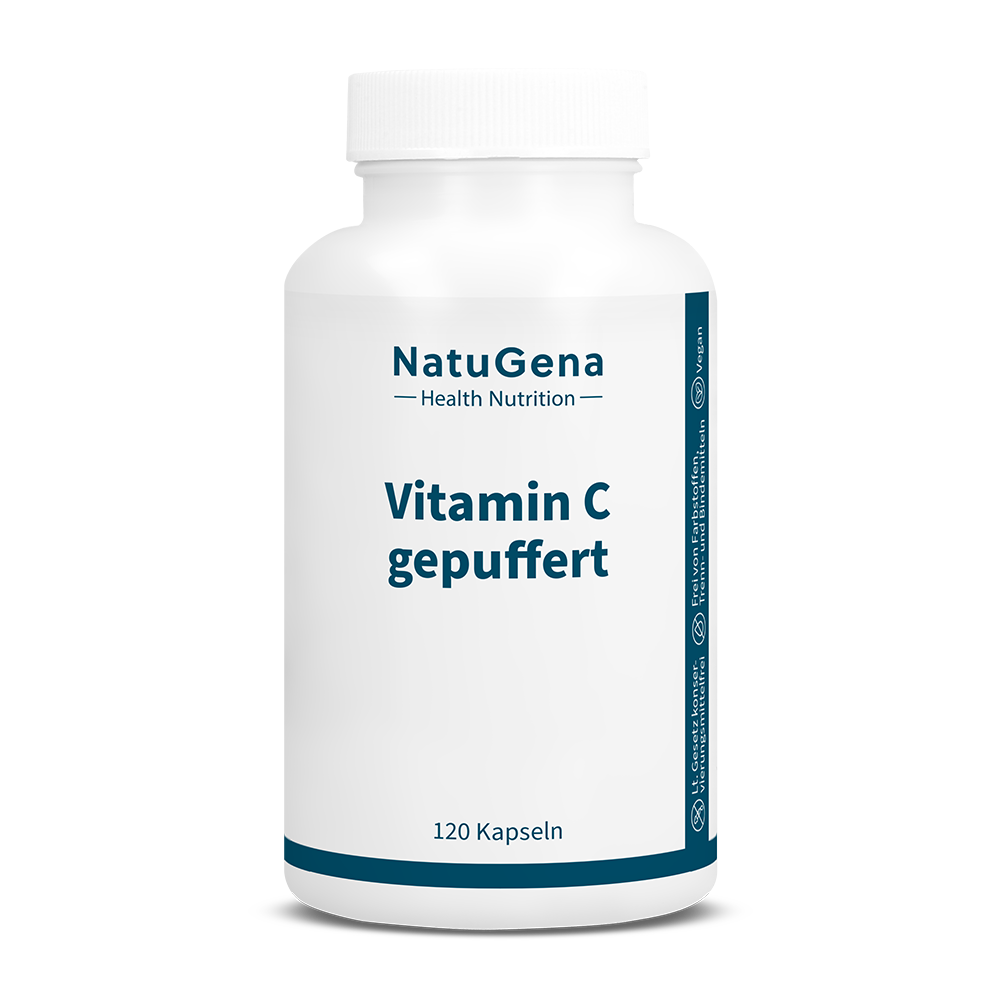
Vitamin C buffered
Vitamin C buffered
With buffered vitamin C as magnesium ascorbate, with additional bioavailable magnesium. Suitable for sensitive individuals – particularly well tolerated and gentle on the stomach.


23,95 €
Other Articles

30.09.2026 Redaktion
Home Remedies for a Hangover: What Helps the Morning After
A pounding headache, an upset stomach, and a leaden fatigue after a long night are clear signs that your liver is working overtime. A hangover results from the breakdown of alcohol, the associated loss of fluids and minerals, and poor sleep quality. That may sound unpleasant, but it can be alleviated with a few simple steps.
Read more
28.09.2026 Magdalena Meier, M.Sc. Biologie
Endometriosis: Between Pain, Stigma, and Self-Care
Severe period pain, fatigue, digestive problems, or pain during sexual intercourse are still often dismissed as “normal.” For years, many affected people hear statements such as “That’s just part of having a period” or “You simply have to put up with it.” But pain that regularly interferes with school, work, relationships, or everyday life deserves attention.
Read more
10.09.2026 Dr. med. Monika Dräger
ME/CFS – Much More Than Just “Fatigue”
“We all feel a little exhausted from time to time. You just need to take some time for yourself and get more exercise in the fresh air.” Have you ever received advice like this? It is not always helpful. Fatigue (weakness, exhaustion) can have many different causes, ranging from overwork and depression to anemia, an underactive thyroid, or ME/CFS.
Read more