
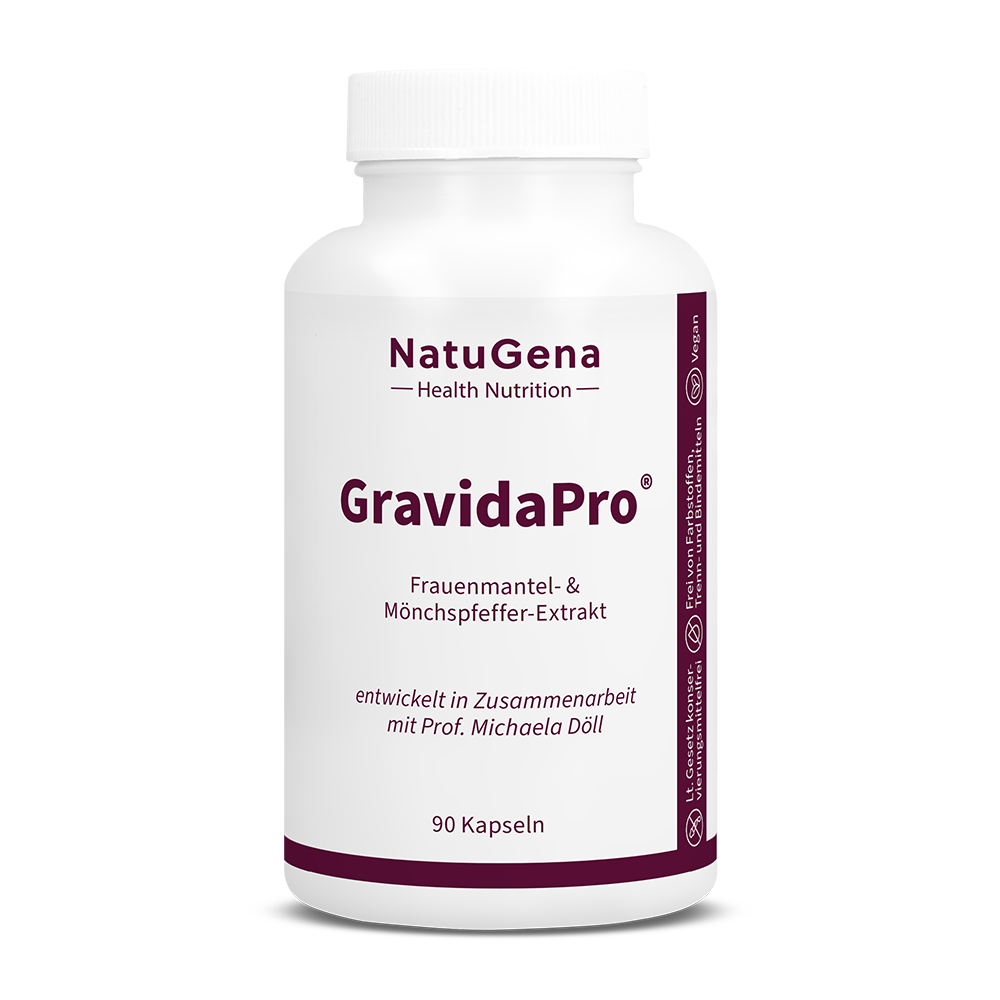


GravidaPro
with maca, fenugreek, lady's mantle & monk's pepper extract
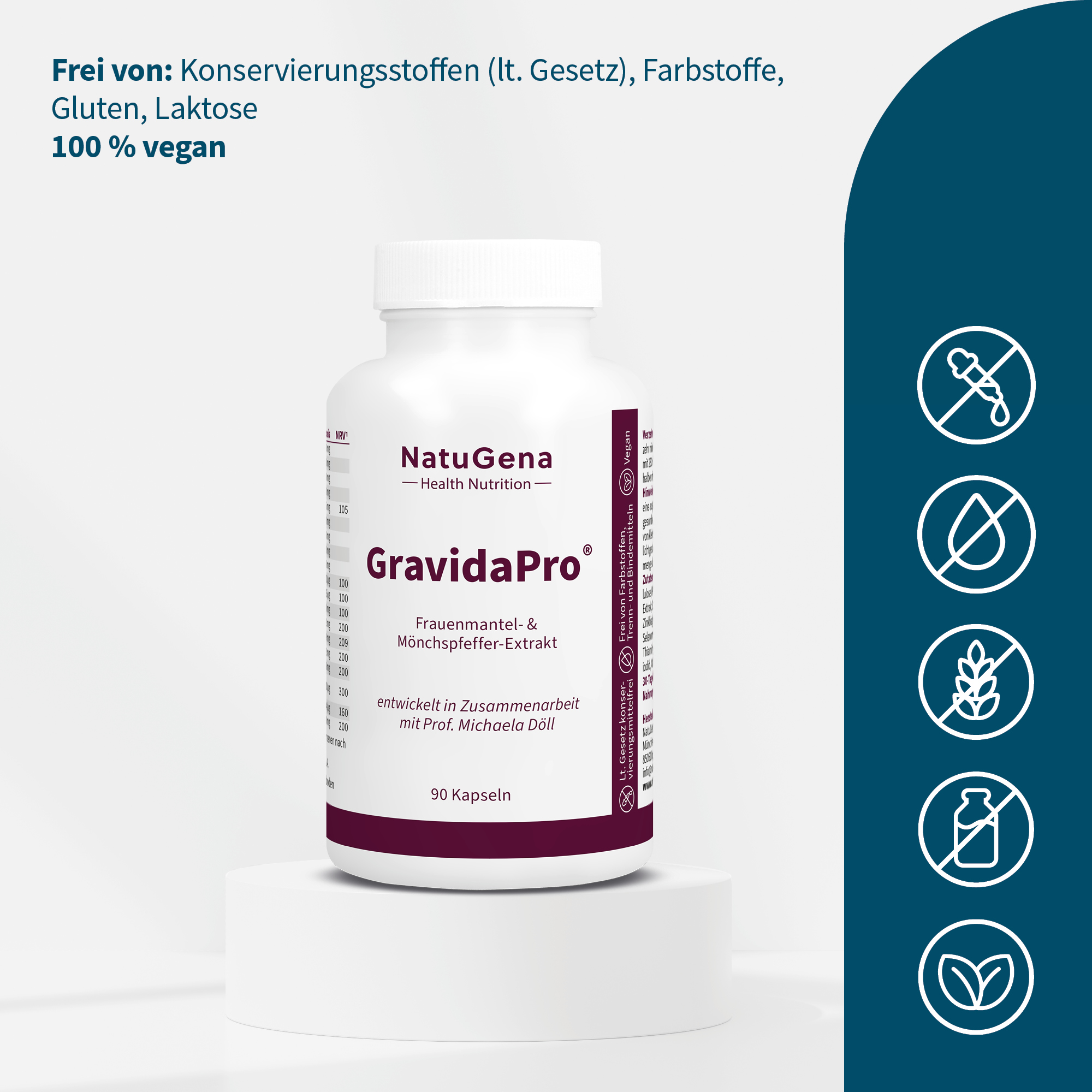
- Free of dyes
- Gluten-free
- Preservative-free as required by law
- Lactose-free
- Vegan
- Free of anti-caking and binding agents
| Price Tiers |
NatuGena GravidaPro – Carefully balanced nutrient formula of valuable plant extracts, vitamins and minerals. The formula includes monk’s pepper, lady’s mantle and maca, along with plant-based iron and vitamins B6, B9 and B12. 90 capsules for a 30-day supply.
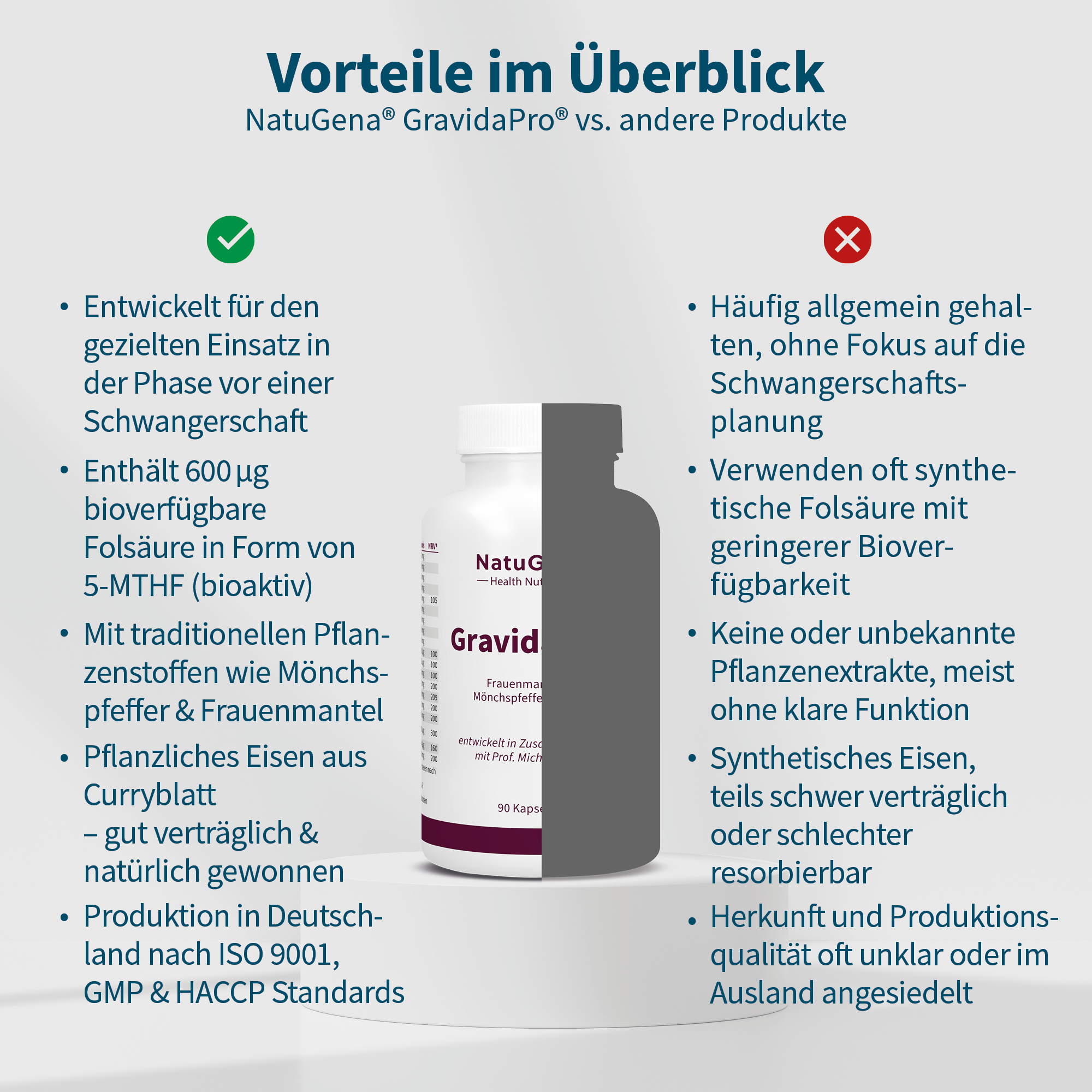
- Combines valuable plant compounds: includes monk’s pepper, lady’s mantle and maca – traditional plant companions with a long-standing heritage
- Well-tolerated iron source: contains iron from curry leaves
- Organic quality: raspberry root extract and maca powder in certified organic quality
- Suitable for vegans and vegetarians
- Made in Germany: exceptional purity and bioavailability for optimal nutrient uptake

GravidaPro was carefully developed by Prof Michaela Döll, PhD, and combines selected plant extracts, vitamins and minerals. The Latin term Gravida means “pregnant woman”. GravidaPro is designed to provide targeted nutrients that support the body in preparing for pregnancy.
Which plant compounds are included?
Chaste tree (Vitex agnus-castus), or monk’s pepper, contains a variety of natural plant substances including flavonoids, tannins, diterpenes and iridoids. Monk’s pepper is particularly valued by women for its natural constituents.

Lady’s mantle (Alchemilla vulgaris) is native to Europe, North America and Asia and was appreciated as a versatile plant as early as the Middle Ages. The leaves are rounded, lobed and finely serrated at the edges. A member of the rose family, the plant contains six to eight percent tannins, mainly from the group of ellagitannins, with agrimoniin as the primary component. It also contains about two percent flavonoids.
Maca (Lepidium meyenii) is a root vegetable from the cruciferous family. Native to the Peruvian Andes, it has been cultivated at high altitudes for around 2,000 years. The powder derived from the root provides a mix of vitamins, minerals, omega-3 fatty acids and plant-based protein (14%). Maca is considered a staple food in the Andes and is also traditionally used to support strength and stamina for the military – today it is recognised as a popular superfood.
The formula also includes small amounts of saffron, raspberry leaf, fennel, and fenugreek extracts.
What is the benefit of folate in its bioactive form?
Folate (vitamin B9) plays an important role in various metabolic processes. GravidaPro contains 600 μg of folic acid in its bioactive form, methyltetrahydrofolate (5-MTHF), which can be absorbed directly by the body. Folate is also involved in cell division and contributes to the normal function of the immune system. A balanced folate level is especially important during the preconception phase. Other B vitamins such as B6, B12 and riboflavin (B2) are also included in their bioactive forms. GravidaPro additionally provides 150 μg of iodine per daily dose.
What is the advantage of plant-based iron?
During pregnancy, iron requirements increase as the body needs more of this essential trace element to produce red blood cells. GravidaPro provides iron from curry leaves (Murraya koenigii), a plant-based source that may be particularly suitable for individuals with sensitive gastrointestinal tracts or intolerance to conventional iron supplements. Taking it with meals may further support iron absorption. Iron contributes to normal formation of red blood cells and haemoglobin, normal oxygen transport in the body, and the normal function of the immune system.
Quality
- No separating agents, binding agents or colourants
- Free from genetic engineering, nanoparticles and animal testing
- Hypoallergenic and sensitive formulations (e.g. free from lactose, soya and gluten where possible)
- Ultra-pure, plant-based coating agents (HPMC) and food-safe, light-protected containers
- Free from unwanted additives such as PEG, silicon dioxide, magnesium stearate & titanium dioxide
- Premium raw materials from pure substances
- Regular, independent testing for harmful substances
- Production in accordance with German quality standards (GMP, HACCP, ISO 9001)
Recommended Consumption
Once daily, take 3 capsules. Ideally, consume at least 30 minutes before or 90 minutes after a meal with 250 ml of still, lukewarm water or, alternatively, with half a freshly squeezed lemon.
TIp: If taking zinc on an empty stomach causes nausea, we recommend taking it with a meal.
Note: If pregnancy occurs, discontinue GravidaPro and switch to MamaFit.
Instructions
Food supplements should not be used as a substitute for a balanced and varied diet or a healthy lifestyle. Keep out of reach of young children. Store closed, in a cool, dry place protected from light. The recommended daily intake stated must not be exceeded. Should not be consumed by pregnant or breastfeeding individuals and children under 18 years of age.
Content
| Ingredients per | Daily Dose | NRV¹ |
|---|---|---|
| Raspberry Root Extract | 300 mg | |
| Maca Powder | 150 mg | |
| Fenugreek Extract (10:1) | 200 mg | |
| Curry Leaf Extract | 500 mg | |
| – of which iron | 15 mg | 105 |
| Fennel Extract | 100 mg | |
| Lady's Mantle Extract (4:1) | 200 mg | |
| Chaste Tree Extract (5:1) | 20 mg | |
| Saffron Extract (4:1) | 20 mg | |
| Iodine | 150 µg | 100 |
| Selenium (organically bound) | 55 µg | 100 |
| Zinc (organically bound) | 10 mg | 100 |
| Vitamin B1 (Thiamine) | 2.2 mg | 200 |
| Vitamin B2 (R5P; bioactive) | 2.9 mg | 209 |
| Vitamin B3 (Niacin) | 32 mg | 200 |
| Vitamin B6 (P5P; bioactive) | 2.8 mg | 200 |
| Vitamin B9 Quatrefolic® (Folate as 5-MTHF; bioactive)2 | 600 µg | 300 |
| Vitamin B12 (Methylcobalamin; bioactive) | 4 µg | 160 |
| Vitamin C (Camu-Camu) | 160 mg | 200 |
1 Nutrient Reference Values for the average adult according to Regulation (EU) No. 1169/2011 (in %).
2 Quatrefolic® is a registered trademark of Gnosis S.p.A.
Composition
Curry leaf extract, coating agent: hydroxypropyl methylcellulose (HPMC); Camu-Camu extract, raspberry extract, lady's mantle extract, fenugreek seed extract, maca extract, fennel powder, zinc bisglycinate, nicotinamide, saffron extract, chaste tree extract, selenomethionine, riboflavin-5-phosphate, pyridoxal-5-phosphate, thiamine hydrochloride, 5-methyltetrahydrofolate (Quatrefolic®), potassium iodide, methylcobalamin.
Blog Articles

Endometriosis: Between Pain, Stigma, and Self-Care
Severe period pain, fatigue, digestive problems, or pain during sexual intercourse are still often dismissed as “normal.” For years, many affected people hear statements such as “That’s just part of having a period” or “You simply have to put up with it.” But pain that regularly interferes with school, work, relationships, or everyday life deserves attention.
Read more
Cycle-Based Training: Which Sports Are Best for Each Phase of the Cycle
The music at the gym is loud, the weights are clanging, and the room is buzzing with energy. Next to you, someone is pushing through their next rep. You’re really planning to go all out today.
You step up to the barbell, start your squat—and suddenly you feel dizzy. Your circulation drops, your legs feel heavy. Yet your workout last week went off without a hitch. Then it hits you: your period has started.
FAQ
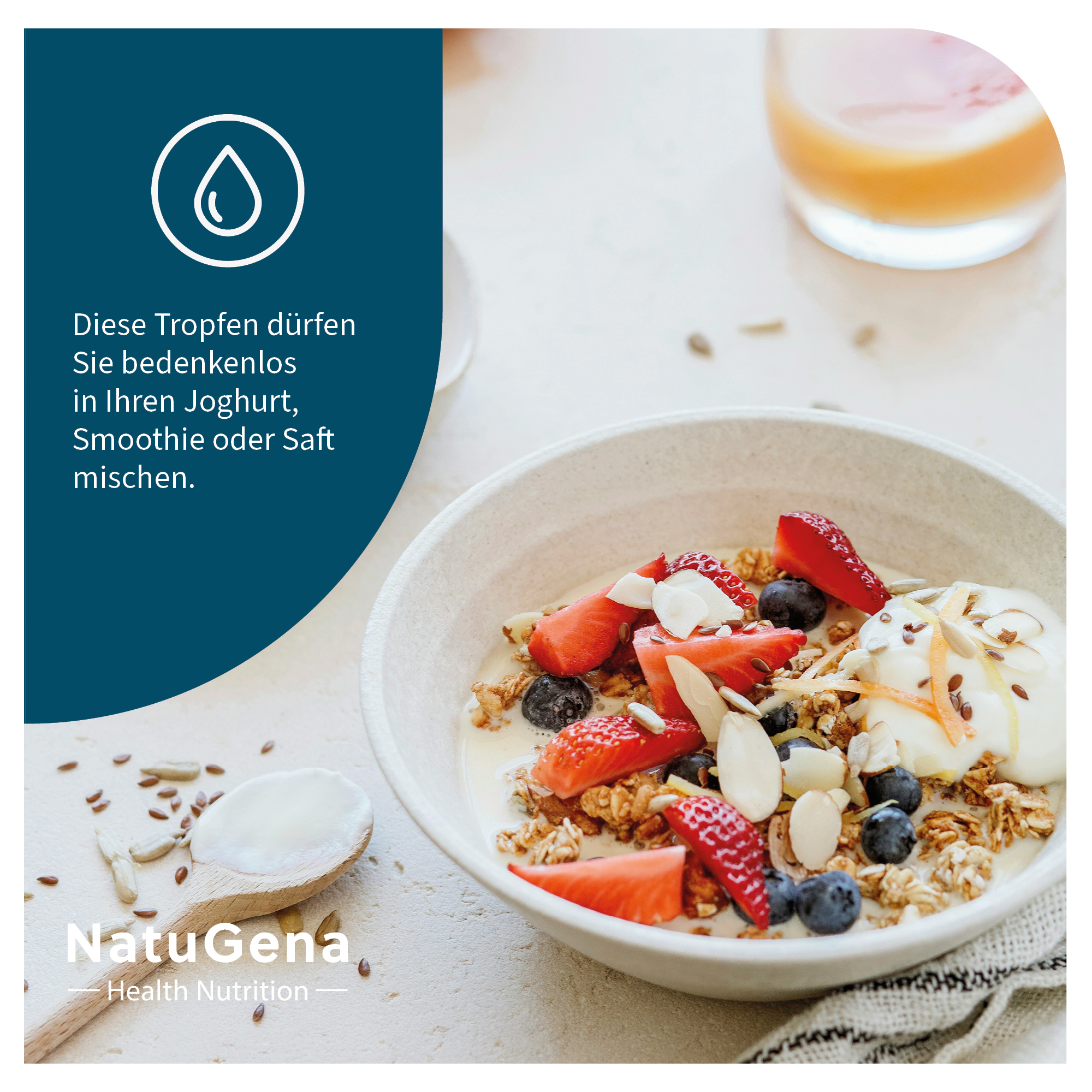
Most of our capsules can be opened without any concerns. The contents can be stirred into yogurt, plant-based yogurt, applesauce, smoothies, or juice, for example.
One of the reasons we encapsulate the ingredients is to keep their sometimes intense natural taste and smell as neutral as possible. When opened, the taste and smell may therefore be more noticeable.
Did you know? Our capsules can be easily opened by gently twisting them.
Please do not open: enteric-coated capsules
For certain bacterial and enzyme products, we use enteric-coated capsules. These should not be opened, as doing so may alter the intended release profile.
These include, for example:
- Bacterial preparations, such as HistaBakt, MakroAktiv, and BactoGena 21+2
- Enzyme products, such as N-Zymarase® Intest and N-Zymarase® Inflam. Exception: N-Zymarase Komplex contains betaine HCl, which is intended to take effect in the stomach; therefore, it does not have an enteric-coated capsule shell and can be opened
- Soft capsules with liquid contents, such as omega-3 capsules, are also not intended to be opened. In this case, you can switch to the liquid oil instead.
If you have any questions, please contact our advisory team at info@natugena.de.
From the very beginning, NatuGena has used exceptionally pure, plant-based HPMC capsules in the majority of its products. HPMC stands for hydroxypropyl methylcellulose and is made from plant-based cellulose.
Unlike many HPMC capsules commonly available on the market, the coating agents we use contain no carrageenan or PEG. Although they are more expensive, they meet our high standards for a carefully selected and transparent product composition.
Our plant-based HPMC capsules are:
- 100% plant-based cellulose (HPMC)
- Carrageenan-free
- PEG-free
- Gelatin-free
- GMO-free
- Free of allergens and irritants
What types of capsule shells are used in omega-3 products?
Special softgels are required for liquid oils. Our classic omega-3 capsules therefore contain a coating made from gelatin and glycerin and are not vegan.
In our vegan omega-3 capsules made from algae oil, the coating consists of glycerin and modified cornstarch and contains no gelatin. This makes these capsules suitable for a vegan diet.
The exact composition of each coating agent is clearly listed in the ingredients list.
It All Comes Down to the Composition
Conventional capsule shells may contain technical additives—such as anti-caking agents, release agents, or binders—due to the manufacturing process. These components aren’t always immediately apparent, as certain processing aids aren’t required to be listed in the ingredients list.
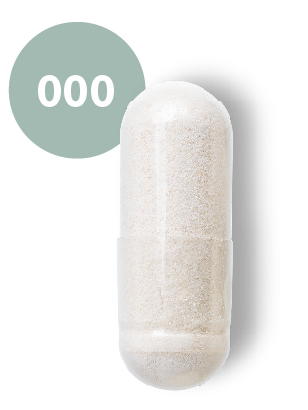
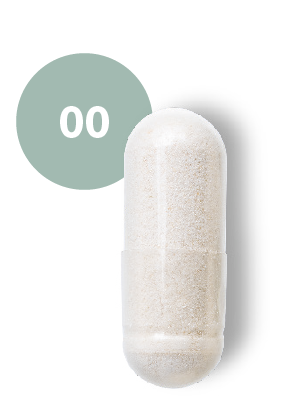
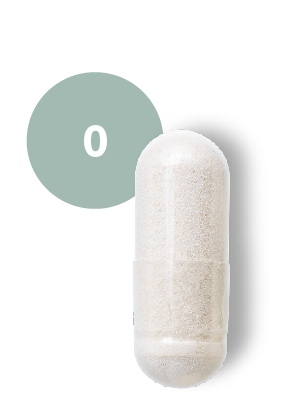
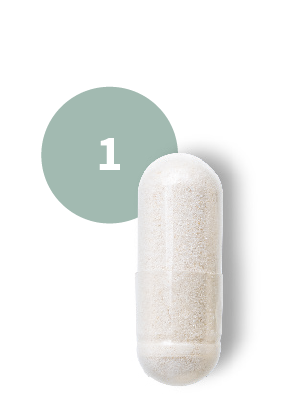
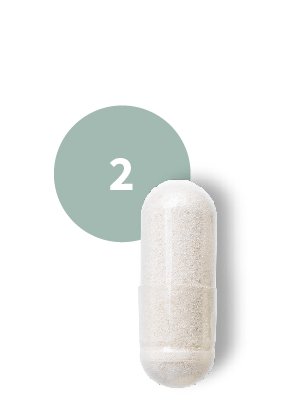
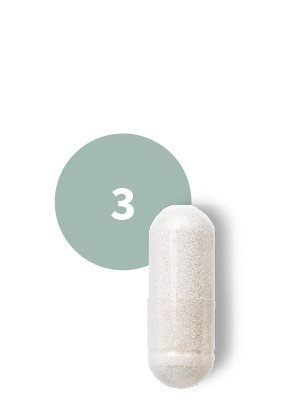
Most of the NatuGena capsule products are size 00 (8,2 × 23,3 mm) to 0 (7,3 × 21,2 mm). Information on the capsule sizes of individual products can be found on the relevant product page or by contacting info@natugena.de
 |
 |
 |
 |
 |
 |
|---|---|---|---|---|---|
| 9,5 × 26,1 mm | 8,2 × 23,3 mm | 7,3 × 21,2 mm | 6,6 × 19,0 mm | 6,1 × 17,3 mm | 5,6 × 15,4 mm |
| z. B. Lysin & Vitamin C, Monacolin K 3 |
z. B. Magnesia 7+1, MitochondrienAktivator 44+14, HeparAktiv |
z. B. ZellEnergie, MultiVegan, Astaxanthin |
z. B. HistaBakt, Bor, Bioaktiver B-Komplex |
not in use | z. B. Kupfer, LipoVitamine 10 000, Mangan-Komplex |
We work with the independent laboratory AgroLab, which we commission to perform microbiological and heavy metal tests.
In our microbiological testing, we measure the aerobic mesophilic plate count (total plate count), as well as the levels of Escherichia coli (E. coli), yeasts, Salmonella, molds, and staphylococci.
For heavy metals, we test for arsenic, lead, cadmium, and mercury in accordance with the limit values specified in Regulation (EU) 2023/915.
The optimal duration of use depends on the specific nutrient, your initial situation, diet, and individual requirements.
There is therefore no one-size-fits-all recommendation for how long a product should be taken. For products intended to support nutrient intake over a longer period, use over several weeks to months may be appropriate. In many cases, a period of around three months may be suitable before nutrient status and further requirements are reassessed.
In the case of diagnosed deficiencies, medical conditions, or the use of medication, the use of supplements should be individually discussed with a doctor or qualified healthcare professional.
The optimal time to take a supplement depends on the specific nutrient, individual tolerance, and the composition of the product. However, some ingredients can be particularly well suited to certain times of day or meals.
In the morning
Stimulating ingredients are often preferably taken in the morning or during the first half of the day. These include, for example:
- Coenzyme Q10
- Green tea extract
- Certain B vitamins
Especially for sensitive individuals, it may be advisable to avoid taking stimulating ingredients immediately before bedtime.
Throughout the day
For some nutrients, it may be beneficial to divide the daily amount into several doses.
Water-soluble vitamins such as B vitamins and vitamin C can be taken throughout the day.
Magnesium can also be divided into several doses rather than taking the entire daily amount at once. This may improve tolerance, particularly with higher amounts.
In the evening
Depending on the type of magnesium compound, taking it in the evening may be beneficial. Magnesium glycinate, for example, is often preferably taken in the evening.
In general, however, the best time to take a product also depends on when it is individually best tolerated and can be reliably incorporated into your daily routine.
With a meal
Some nutrients benefit from being taken together with a meal.
Fat-soluble vitamins A, D, E, and K can be taken together and ideally with a meal containing some fat.
Omega-3 fatty acids should also be taken regularly with a meal. Omega-3 oils can be combined well with fat-soluble vitamins.
Many plant-based ingredients can also be taken as part of a meal or together with omega-3 products. However, the optimal timing depends on the specific plant compound and product formulation.
Zinc can cause nausea or stomach discomfort on an empty stomach in some people. If you have a sensitive stomach, it is therefore advisable to take zinc with a meal.
Between meals
Iron is often taken separately from meals, as various foods and beverages can affect its absorption. It is particularly advisable to leave a gap between iron and:
- Coffee and tea
- Caffeinated beverages
- Milk and dairy products
- Calcium- or mineral-rich supplements
However, if you have a sensitive stomach, iron can also be taken with a meal. In this case, individual tolerance is more important than a theoretically optimal intake situation.
Enzyme supplements vary depending on their intended use: digestive enzymes are generally taken with meals. Products that are specifically intended to be taken between meals may, for example, be taken around 30 minutes before a meal. The product's specific recommended intake should always be followed.
Around exercise
Proteins and amino acids can be taken both before and after training.
If you exercise on an empty stomach, taking them around 30 minutes before training may be beneficial. If you have already eaten a protein-rich meal, you can also plan your protein intake for after training.
In general, ensuring sufficient protein intake throughout the entire day is more important than adhering to a narrow time window around your workout.
If you need this item on a long-term basis and are interested in a discounted subscription, you can find the terms and conditions on the Product Subscription page.
Country-specific information
This item may not be resold in the following countries: Switzerland
Responsible person for the EU
The economic operator based in the EU responsible for this product:
NatuGena GmbH, Münchener Str. 149, 85051 Ingolstadt, Germany,
+49 841 90 255 000, info@natugena.de, https://www.natugena.de

You May Also Be Interested in These Articles
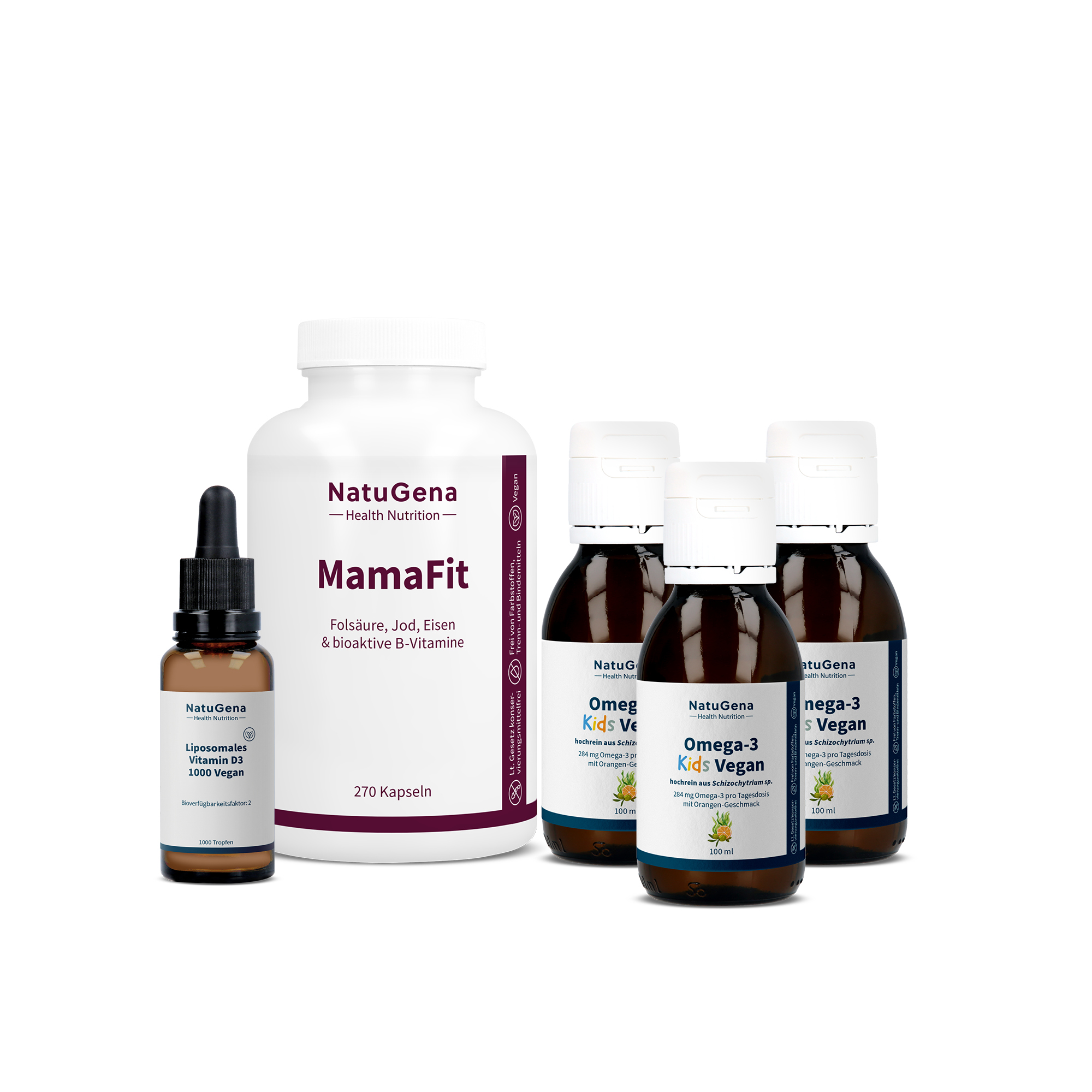
MamaBox Veggie Öl
MamaFit, Liposomal Vitamin D3 Vegan and Vegan Omega-3 Kids Vegan
MamaFit
Folic acid, iodine, iron & bioactive B vitamins
Myo-Inositol Dual
High-dose myo-inositol combined with high-purity D-chiro inositol
Chasteberry
20 mg chasteberry extract