
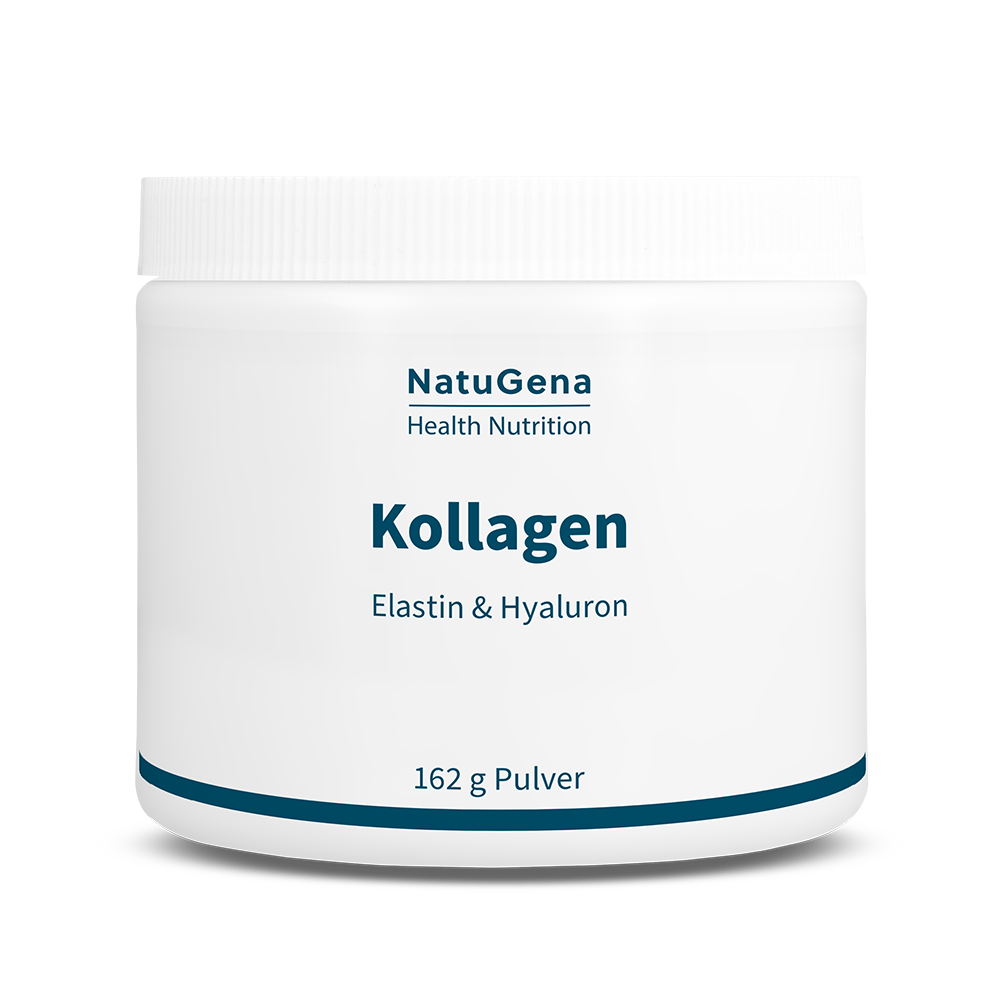

Collagen
Peptan B 2000, Elastin & Hyaluron
– successor product planned
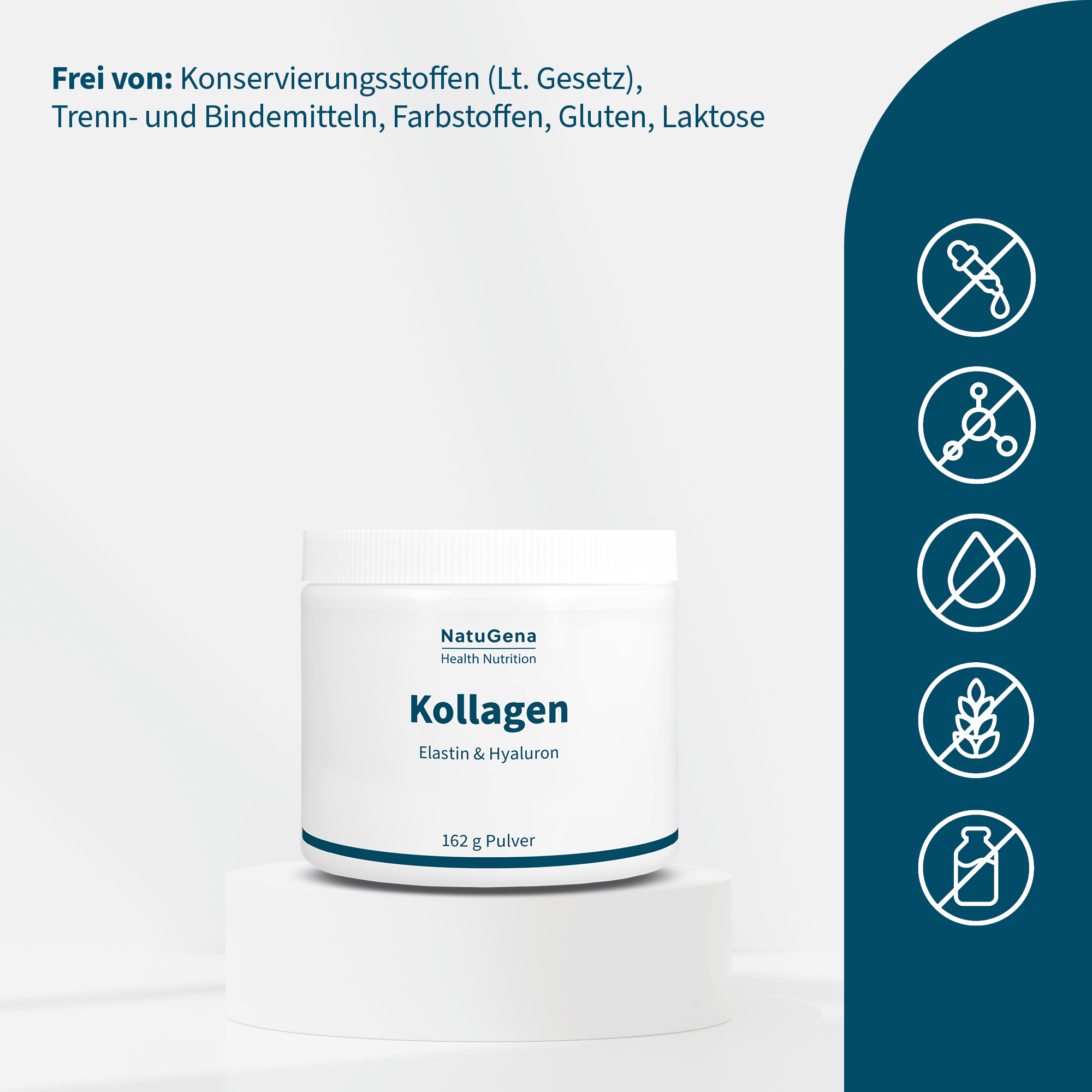
- Free of dyes
- Gluten-free
- Preservative-free as required by law
- Lactose-free
- Free of anti-caking and binding agents
| Price Tiers |
| from 1 Pieces | 34,95 € |
| from 3 Pieces | 31,95 € |
| from 5 Pieces | 29,95 € |
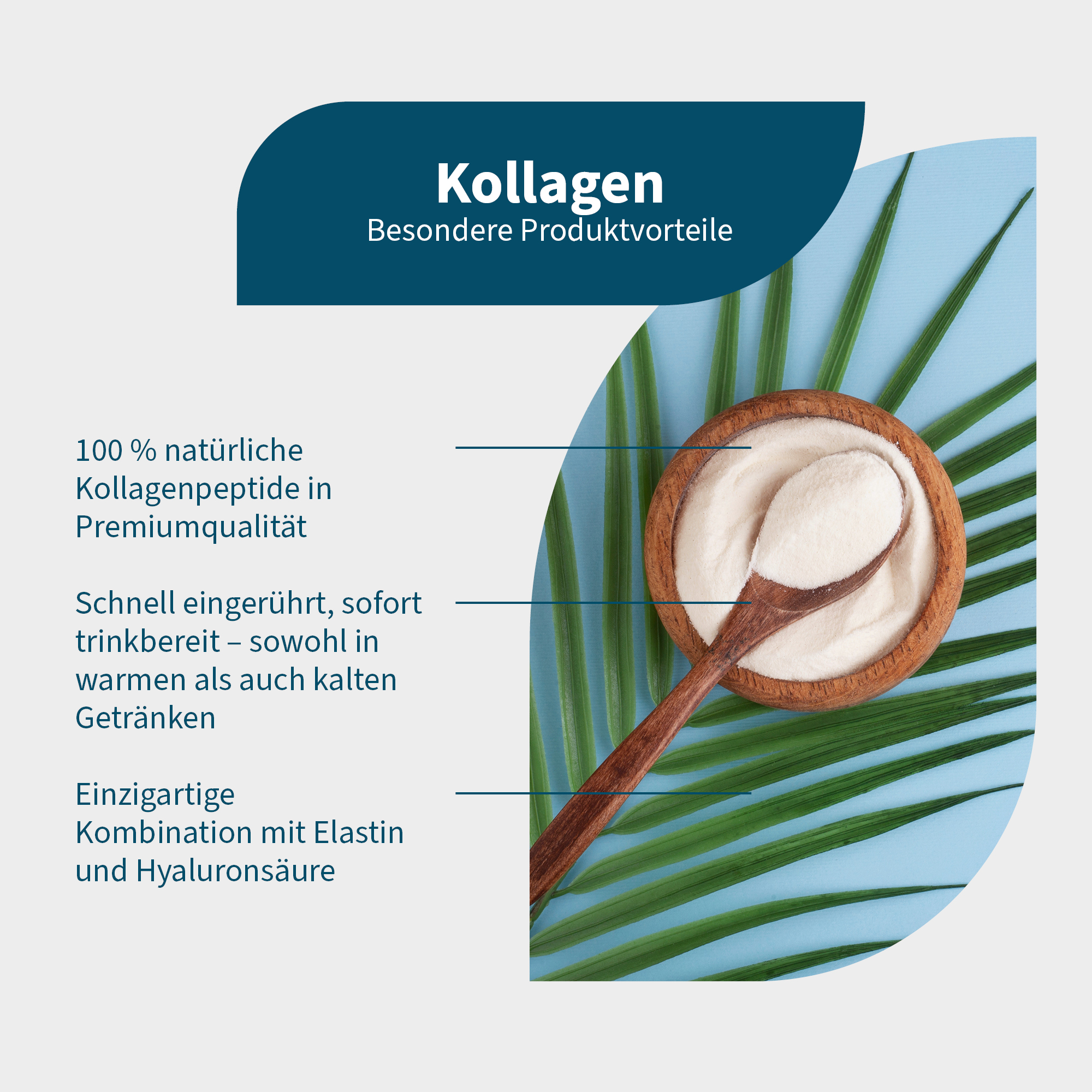
NatuGena Collagen Elastin Hyaluron – Collagen, hyaluronic acid, elastin and Vitamin C in a finely balanced formula. The powder is neutral in taste, fully soluble and easy to integrate into daily life. 30‑day supply with 162 g powder.
- 4,500 mg bioactive collagen peptides per daily dose
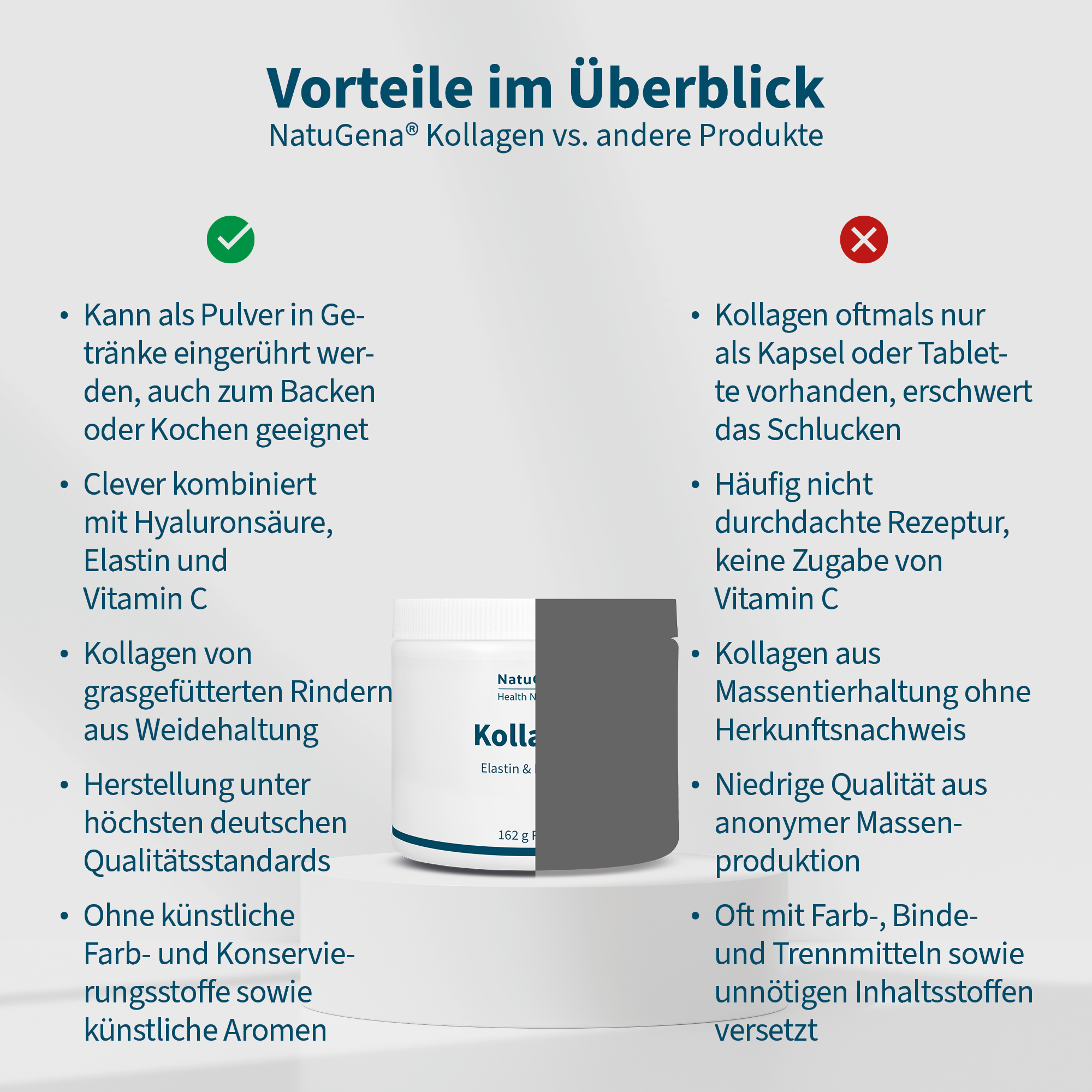
- With hyaluronic acid (500–700 kDa) & natural elastin
- Vitamin C contributes to the maintenance of normal collagen formation
- Neutral‑tasting powder – easy to stir into water or smoothies
- Free from flavourings, sweeteners, colourings & preservatives
- Premium‑quality raw materials – made in Germany
Our skin, joints and connective tissues rely on collagen as their structural backbone. This protein provides support, stability, and enables smooth movement. As we age, the body's capacity to produce collagen decreases.

What is collagen?
Collagen is the main protein in the body's connective tissue, making up around 30 % of total protein. It is found throughout the body—in bones, joints, tendons, ligaments, skin, smooth muscles, blood vessels, and even in hair and nails. Different collagen types occur in various tissues.
What makes Peptan collagen special?
Peptan is a high‑quality Type I collagen, matching the form most abundant in the human body. It provides 18 amino acids, with glycine, proline and hydroxyproline accounting for around 50 % of its total. Natural collagen exists in large structures that are hard to absorb. Peptan is enzymatically processed into small, easily digestible collagen peptides, enhancing bioavailability and reaching connective tissues within hours to support the body's collagen structure.
What roles do hyaluronic acid and elastin play?
Hyaluronic acid is naturally found in skin, connective tissue and joint fluid, known for its strong water‑binding capacity. The chosen 500–700 kDa hyaluronic acid mirrors its natural structure. Elastin is a structural protein present with collagen in elastic tissues like skin and connective tissue.
Why is Vitamin C important for skin and connective tissue?
Vitamin C contributes to normal collagen formation for the maintenance of skin, bones, cartilage, teeth, gums and blood vessels. It also protects cells from oxidative stress.
Quality
- No separating agents, binding agents or colourants
- Free from genetic engineering, nanoparticles and animal testing
- Hypoallergenic and sensitive formulations (e.g. free from lactose, soya and gluten where possible)
- Ultra-pure, plant-based coating agents (HPMC) and food-safe, light-protected containers
- Free from unwanted additives such as PEG, silicon dioxide, magnesium stearate & titanium dioxide
- Premium raw materials from pure substances
- Regular, independent testing for harmful substances
- Production in accordance with German quality standards (GMP, HACCP, ISO 9001)
Recommended Consumption
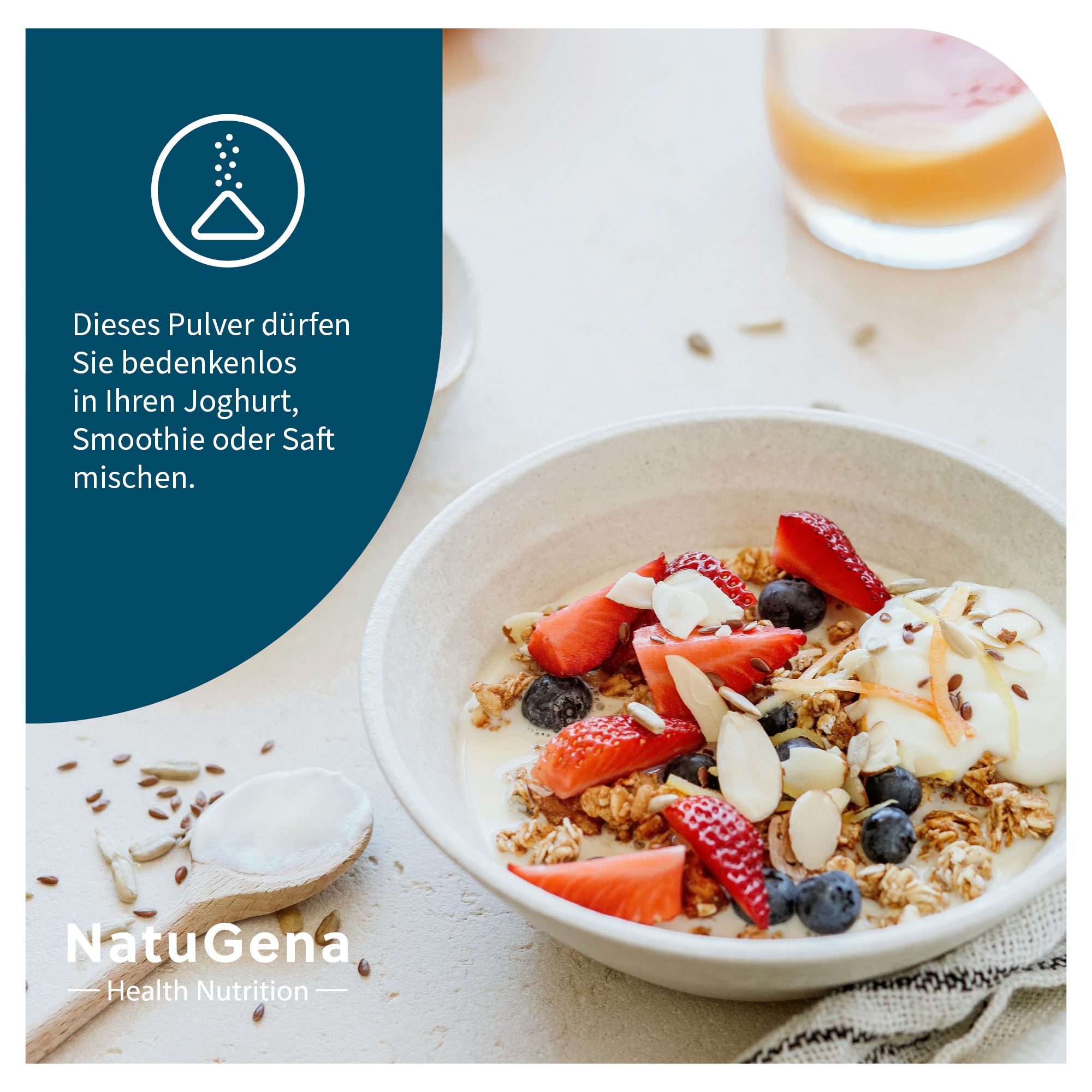
2 measuring spoons (5.34 g) once a day. For best results, take at least 30 minutes before or 90 minutes after a meal with 250 ml of still, lukewarm water or, alternatively, with the juice of half a freshly squeezed lemon. The heat-resistant powder is suitable for cooking and baking and can be easily stirred into any drink (e.g., juice, protein shake) or food (e.g., fruit yogurt).
Notes
Dietary supplements should not be used as a substitute for a balanced and varied diet and a healthy lifestyle. Keep out of reach of small children. Store sealed, cool, dry, and protected from light. Do not exceed the recommended daily intake.
Which amino acids are found in collagen? Is it sufficient as a sole source of protein?
Collagen is characterized by its high content of glycine, proline, and hydroxyproline, which together make up almost half of the amino acids and are responsible for the stability of the collagen fibrils. However, since collagen contains very few essential amino acids (e.g., tryptophan, methionine, BCAA), it is not a complete protein and is not suitable as a sole source of protein—but rather as a targeted supplement for skin, bones, joints, and connective tissue.
Content
| Ingredients per | daily dose | NRV¹ |
|---|---|---|
| Collagen2 | 5 000 mg | |
| Elastin | 90 mg | |
| Hyaluronic acid (500-700 kDa) | 200 mg | |
| Vitamin C | 40 mg | 50 |
1 Reference intakes for the average adult according to Regulation (EU) 1169/2011 (%).
2 Obtained from 100% bovine collagen
Composition
Collagen hydrolysate Peptan B 2000, sodium hyaluronic acid (500-700 kDa), elastin, ascorbic acid.
Blog Articles

Sun protection is more than just UV protection
Photoaging is one of the key factors in skin aging and wrinkle formation. In addition, exposure to light and sunlight is a major risk factor for skin cancer. Anyone who wants to protect themselves effectively should consider more than just UV radiation.
Read more
Healthy bones: The underestimated key to longevity
When it comes to longevity, most people immediately think of a strong heart, a clear mind, and healthy joints. But what is often forgotten is that without strong bones, running a marathon at 70 won't do you any good if you fall down the basement stairs and can't get up again. Pain. Fractures. Loss of mobility. Those who fall at an advanced age risk more than just a leg in a cast. Independence dwindles—sometimes permanently.
Read moreFAQ
Collagen occurs naturally in animal-derived foods such as meat. In food supplements, collagen is usually sourced from bovine or fish sources.
Vollagen®, on the other hand, is plant-based and contains a blend of different amino acids. It is not animal-derived collagen.
Collagen is a structural protein found throughout the human body: in our bones, joints, tendons, ligaments and skin, as well as in smooth muscle tissue, blood vessels and other organs. It is also a major component of our hair and nails.
More than 20 different types of collagen are known to occur in the human body. They differ in their structure and where they are found in the body.
The most common types include:
- Type I collagen: found primarily in the skin, bones, tendons and ligaments.
- Type II collagen: an important component of cartilage tissue.
- Type III collagen: found, among other places, in the skin, blood vessels and various connective tissues.
- Type IV collagen: found mainly in thin tissue layers that separate different tissues and organs from one another.
For our classic collagen product, we use type I collagen (Peptan® B), combined with vitamin C, which contributes to normal collagen formation.
TendoDyn® contains native type II collagen, also combined with vitamin C, which contributes to normal collagen formation for the normal function of cartilage and bones.
Liposomal Vollagen® with vitamin C provides a vegan amino acid alternative.
Peptan® is a hydrolysed bovine type I collagen. Through an enzymatic process, the collagen is broken down into smaller peptides. This makes it easy to dissolve in liquids and simple to integrate into your daily diet.
Peptan® contains 18 different amino acids, including glycine, proline and hydroxyproline.
Our "Collagen" contains 5g, while "Collagen Pro" contains 10g of collagen hydrolysate.
If you would first like to try collagen, we recommend starting with the lower-dose Collagen product at a lower price.
For those looking for more comprehensive collagen supplementation, Collagen Pro with vitamin B7 and silicon is a suitable option.
Both products contain the branded Peptan® ingredient as well as elastin and hyaluronic acid.
Yes. For its bovine collagen (Peptan® B), NatuGena uses certified quality from controlled and traceable production without genetic engineering.
According to Rousselot, the manufacturer of Peptan® collagen peptides, the bovine collagen is produced from animal-derived raw materials that might otherwise remain partly unused.
Fish collagen has not been proven to be better than bovine collagen. For skin-related applications, it is more important that hydrolysed collagen peptides are used and that the amount consumed corresponds to quantities investigated in studies.
As we age, the collagen content and collagen density of human skin gradually decrease. Study results suggest that this process already begins in early adulthood.¹
The extent of these changes varies from person to person and is influenced, among other factors, by genetics and lifestyle.
References
¹ Autio P, Risteli J, Haukipuro K, Risteli L, Oikarinen A. (1994).
Collagen synthesis in human skin in vivo: modulation by aging, ultraviolet B irradiation and localization.
Photodermatology, Photoimmunology & Photomedicine, 10(5), 212–216. PMID: 7880761.
We recommend taking 2 measuring scoops once daily. Ideally, the product should be consumed with a meal.
The heat-stable powder is suitable for cooking and baking and can easily be mixed into any beverage, such as juice or a protein shake, or into foods such as fruit yoghurt.
A characteristic feature of collagen is its high content of glycine, proline, and hydroxyproline, which together account for nearly half of its amino acids and are responsible for the stability of the collagen fibrils. However, since collagen contains very few essential amino acids (e.g., tryptophan, methionine, BCAAs), it is not a complete protein and is not suitable as a sole source of protein—but rather as a targeted supplement for the skin, bones, joints, and connective tissue.
| Amino Acid | Percentage |
|---|---|
| Glycine | approx. 20–22 % |
| Proline | approx. 12–13 % |
| Hydroxyproline | approx. 10–12 % |
| Glutamic acid | approx. 10 % |
| Arginine | approx. 8 % |
| Alanine | approx. 8–9 % |
| Aspartic acid | approx. 6 % |
| Lysine, Serine, Leucine, Valine, Phenylalanine, Threonine, Isoleucine, Histidien, Hydroxylysine, Methionine, Tyrosine, Cysteine | each 1–3 % |
We work with the independent laboratory AgroLab, which we commission to perform microbiological and heavy metal tests.
In our microbiological testing, we measure the aerobic mesophilic plate count (total plate count), as well as the levels of Escherichia coli (E. coli), yeasts, Salmonella, molds, and staphylococci.
For heavy metals, we test for arsenic, lead, cadmium, and mercury in accordance with the limit values specified in Regulation (EU) 2023/915.
The optimal duration of use depends on the specific nutrient, your initial situation, diet, and individual requirements.
There is therefore no one-size-fits-all recommendation for how long a product should be taken. For products intended to support nutrient intake over a longer period, use over several weeks to months may be appropriate. In many cases, a period of around three months may be suitable before nutrient status and further requirements are reassessed.
In the case of diagnosed deficiencies, medical conditions, or the use of medication, the use of supplements should be individually discussed with a doctor or qualified healthcare professional.
The optimal time to take a supplement depends on the specific nutrient, individual tolerance, and the composition of the product. However, some ingredients can be particularly well suited to certain times of day or meals.
In the morning
Stimulating ingredients are often preferably taken in the morning or during the first half of the day. These include, for example:
- Coenzyme Q10
- Green tea extract
- Certain B vitamins
Especially for sensitive individuals, it may be advisable to avoid taking stimulating ingredients immediately before bedtime.
Throughout the day
For some nutrients, it may be beneficial to divide the daily amount into several doses.
Water-soluble vitamins such as B vitamins and vitamin C can be taken throughout the day.
Magnesium can also be divided into several doses rather than taking the entire daily amount at once. This may improve tolerance, particularly with higher amounts.
In the evening
Depending on the type of magnesium compound, taking it in the evening may be beneficial. Magnesium glycinate, for example, is often preferably taken in the evening.
In general, however, the best time to take a product also depends on when it is individually best tolerated and can be reliably incorporated into your daily routine.
With a meal
Some nutrients benefit from being taken together with a meal.
Fat-soluble vitamins A, D, E, and K can be taken together and ideally with a meal containing some fat.
Omega-3 fatty acids should also be taken regularly with a meal. Omega-3 oils can be combined well with fat-soluble vitamins.
Many plant-based ingredients can also be taken as part of a meal or together with omega-3 products. However, the optimal timing depends on the specific plant compound and product formulation.
Zinc can cause nausea or stomach discomfort on an empty stomach in some people. If you have a sensitive stomach, it is therefore advisable to take zinc with a meal.
Between meals
Iron is often taken separately from meals, as various foods and beverages can affect its absorption. It is particularly advisable to leave a gap between iron and:
- Coffee and tea
- Caffeinated beverages
- Milk and dairy products
- Calcium- or mineral-rich supplements
However, if you have a sensitive stomach, iron can also be taken with a meal. In this case, individual tolerance is more important than a theoretically optimal intake situation.
Enzyme supplements vary depending on their intended use: digestive enzymes are generally taken with meals. Products that are specifically intended to be taken between meals may, for example, be taken around 30 minutes before a meal. The product's specific recommended intake should always be followed.
Around exercise
Proteins and amino acids can be taken both before and after training.
If you exercise on an empty stomach, taking them around 30 minutes before training may be beneficial. If you have already eaten a protein-rich meal, you can also plan your protein intake for after training.
In general, ensuring sufficient protein intake throughout the entire day is more important than adhering to a narrow time window around your workout.
If you need this item on a long-term basis and are interested in a discounted subscription, you can find the terms and conditions on the Product Subscription page.
Responsible person for the EU
The economic operator based in the EU responsible for this product:
NatuGena GmbH, Münchener Str. 149, 85051 Ingolstadt, Germany,
+49 841 90 255 000, info@natugena.de, https://www.natugena.de

You May Also Be Interested in These Articles
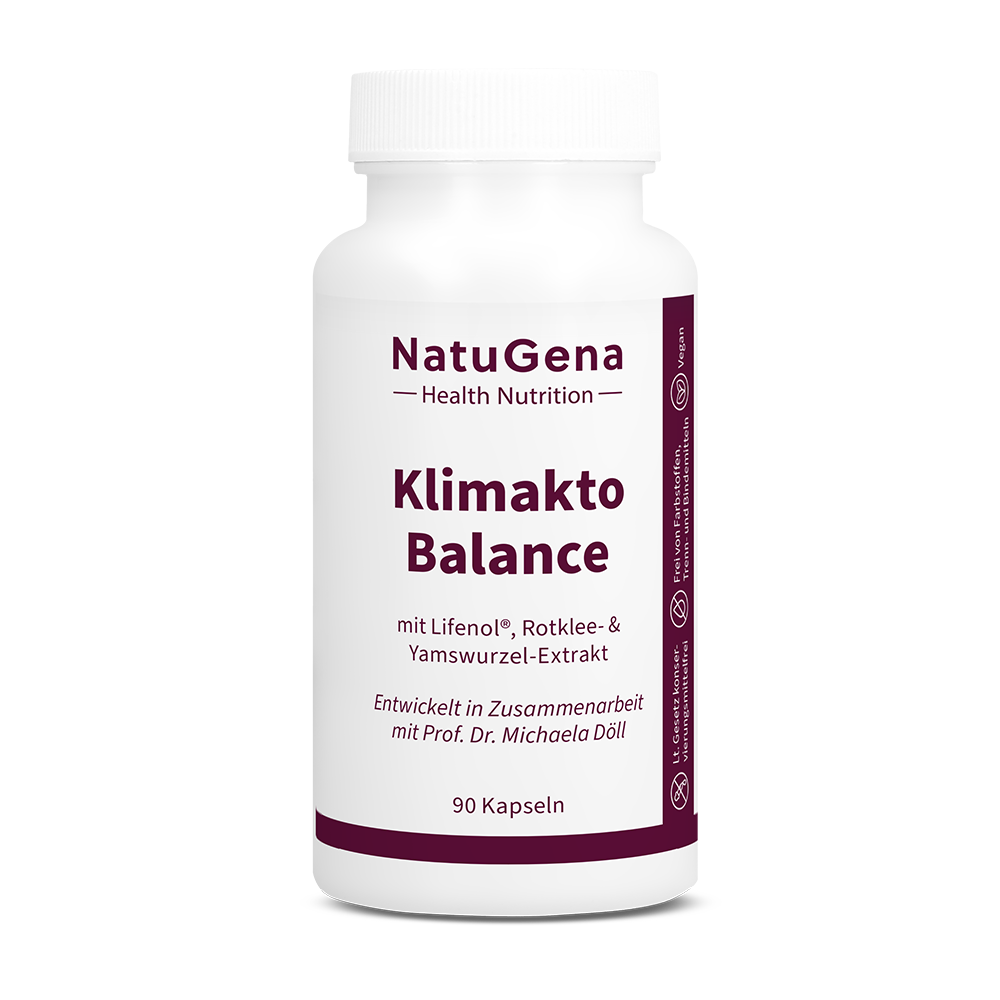
KlimaktoBalance
Lifenol®, Red Clover & Yam Extract for Women
Lutein & Zeaxanthin
Carotenoids & Vitamin A
PolyColor Spectrum
Broccoli extract, trans-resveratrol, quercetin, buffered vitamin C & lycopene
Hyaluron
Hyaluron in highest raw material quality
Vitamin A
Retinol palmitate oil
OPC+C
Grape Seed Extract + Vitamin C
HairVolution
Peptan® B 2000, Field Horsetail & Fenugreek Seeds