
24,95 € 12,48 €
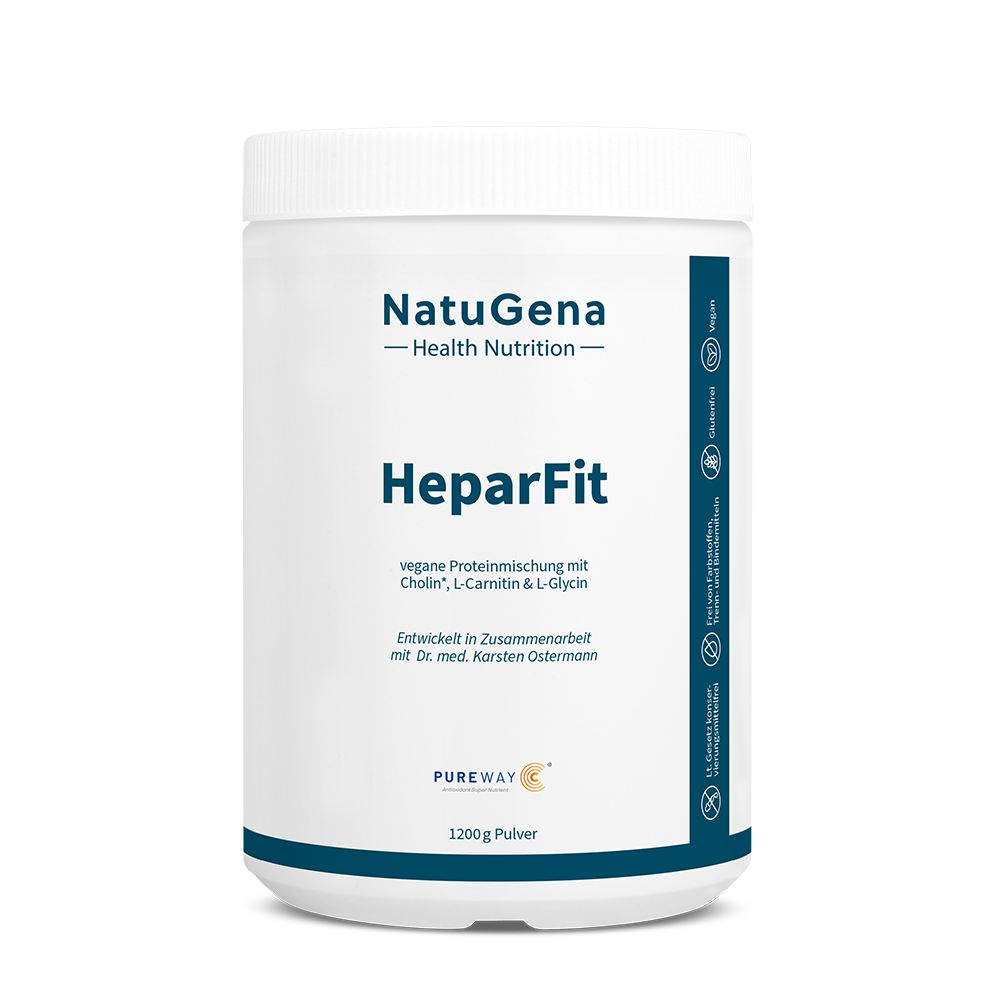
HeparFit
Vegan protein blend with choline, L-carnitine & L-glycine
Orderable
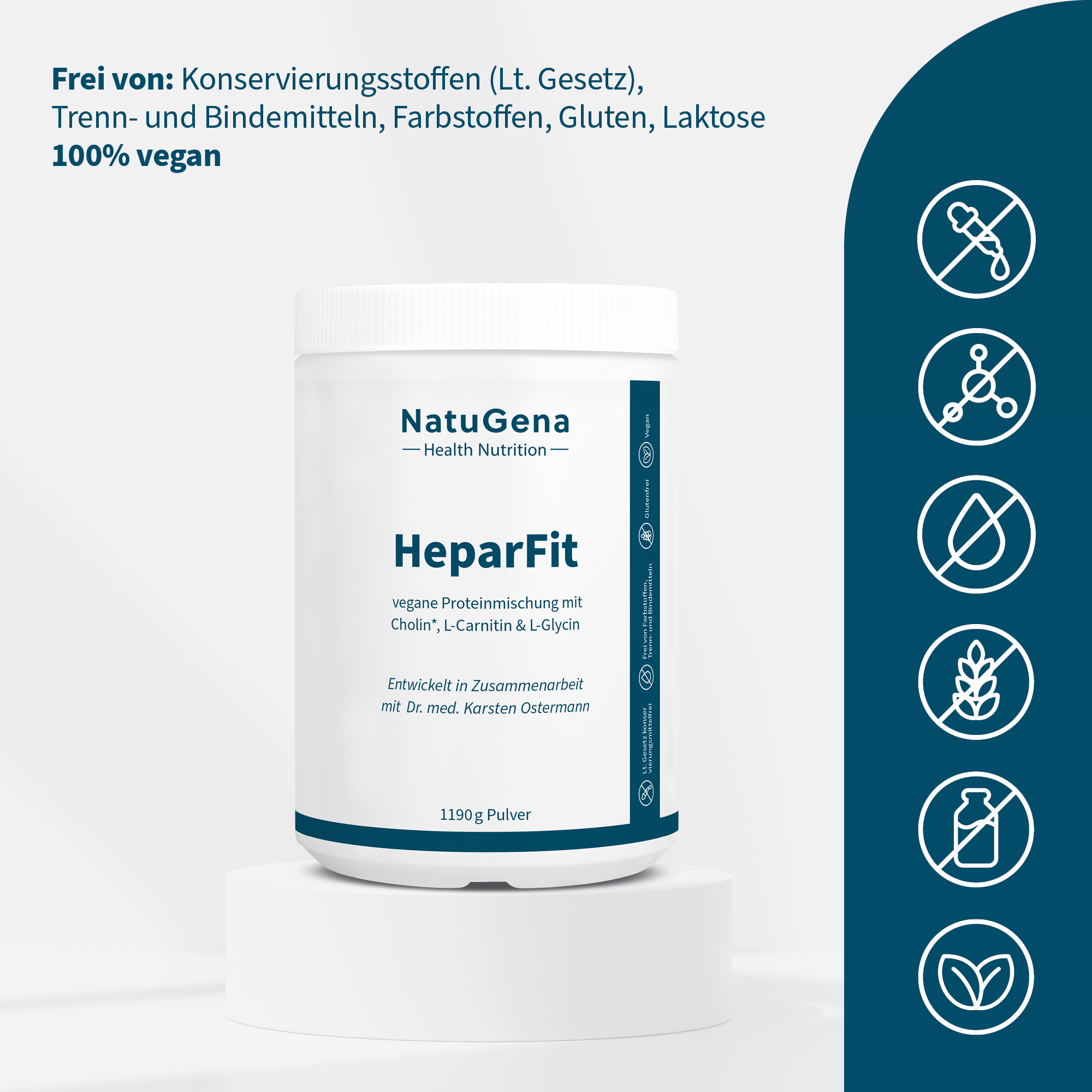
- Free of dyes
- Gluten-free
- Preservative-free as required by law
- Lactose-free
- Vegan
- Free of anti-caking and binding agents
Product Type
nutritional supplement
Content
1200 g powder for 24 days
| Price Tiers |
| from 1 Pieces | 49,95 € |
| from 3 Pieces | 44,95 € |
| from 5 Pieces | 42,95 € |
HeparFit by NatuGena – A carefully formulated vegan protein powder with choline, L-carnitine, and L-glycine. The combination of high-quality pea and lupin protein provides essential amino acids and supports a balanced diet. The 1200 g pack lasts for 24 days and can be used flexibly – mixed with oat drink or water, refined with fruit, or stirred into plant-based yoghurt.
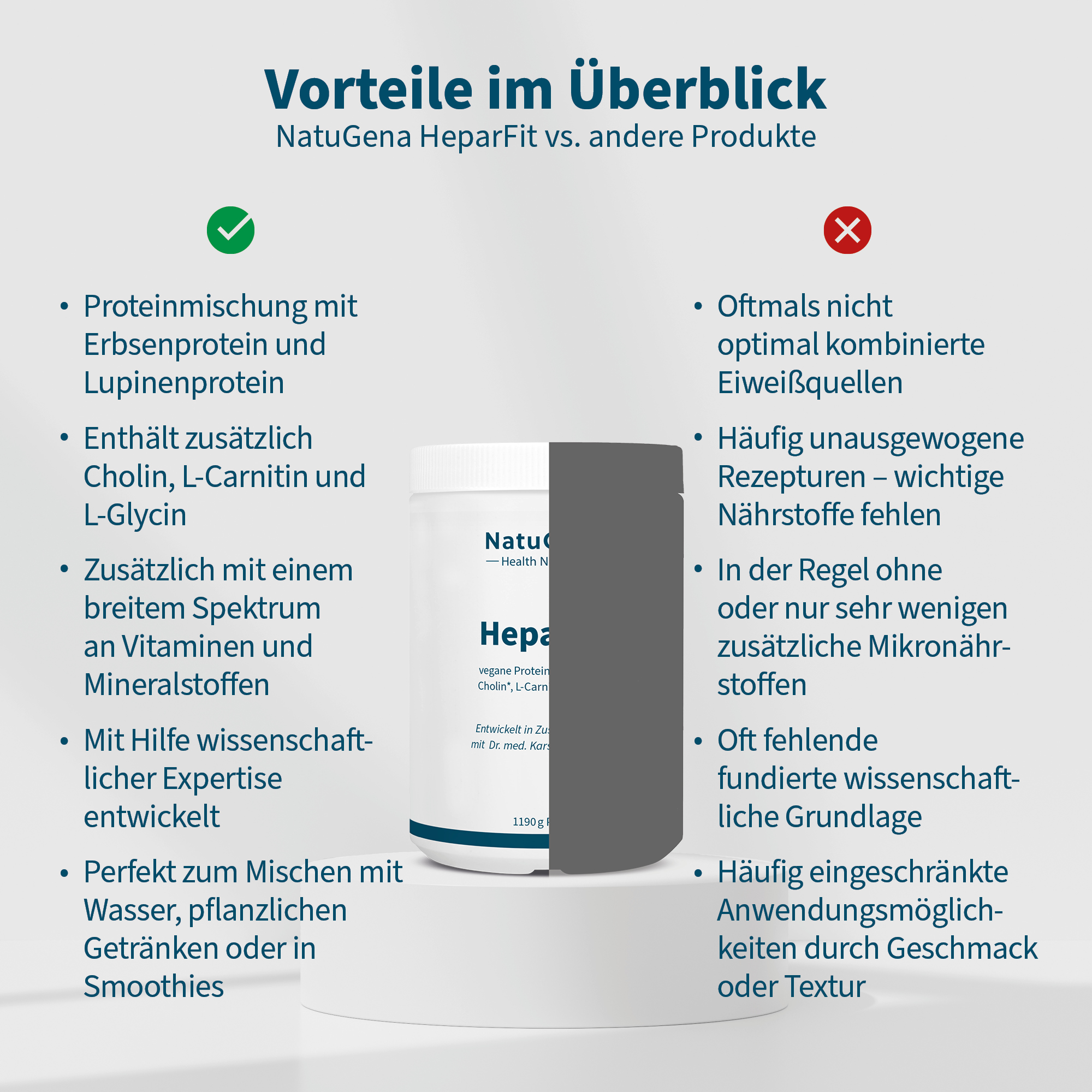
- Pea and organic lupin protein: Provide high-quality plant protein with all essential amino acids
- Rich in protein: Contains 25 g of protein per daily serving from pea and organic lupin
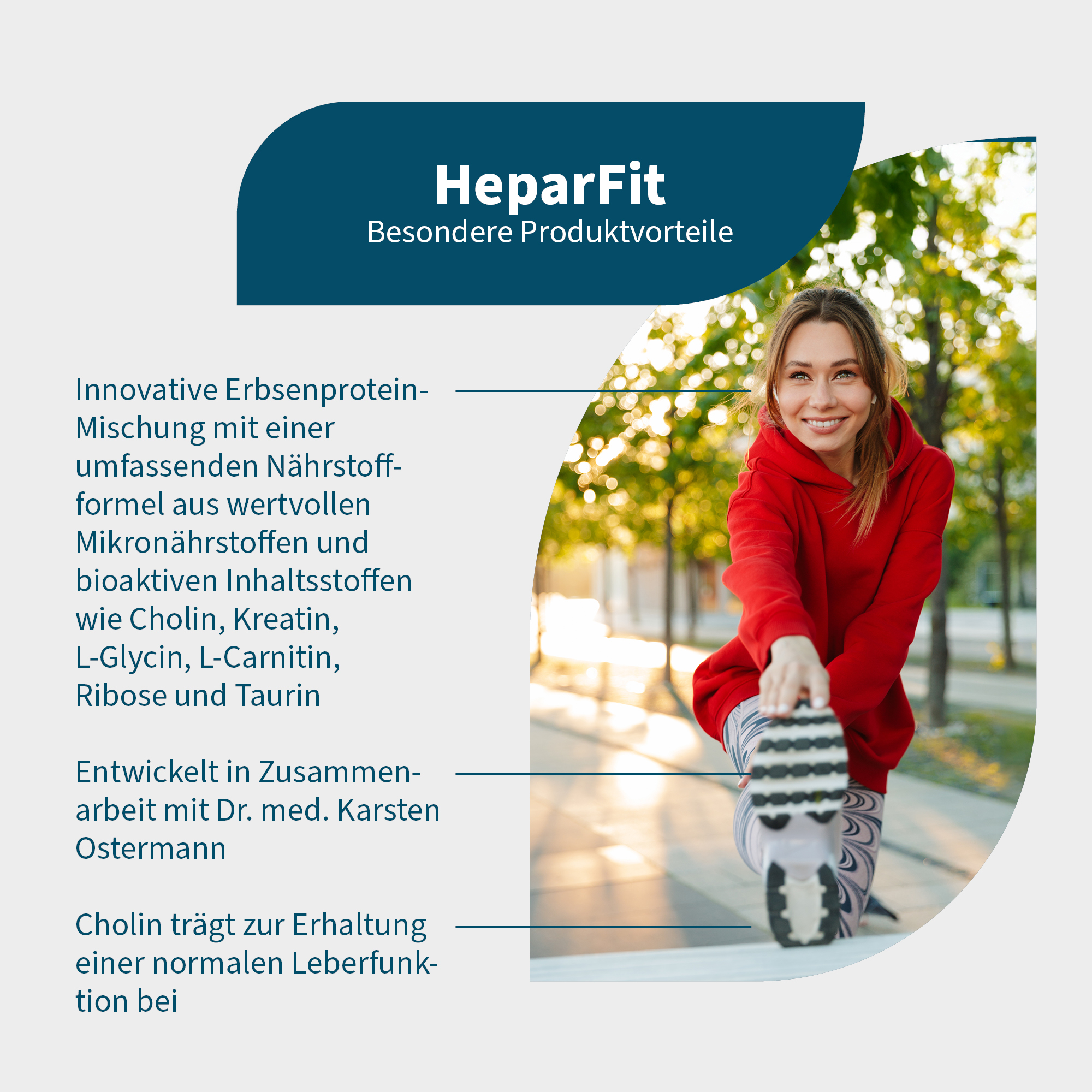
- Choline: Contributes to the maintenance of normal liver function
- L-carnitine: A naturally occurring compound involved in fat metabolism
- L-glycine: A semi-essential amino acid involved in various metabolic processes
- Acacia fibre: A natural source of fibre that supports daily fibre intake
- Made in Germany: Exceptional purity and bioavailability for optimal nutrient uptake
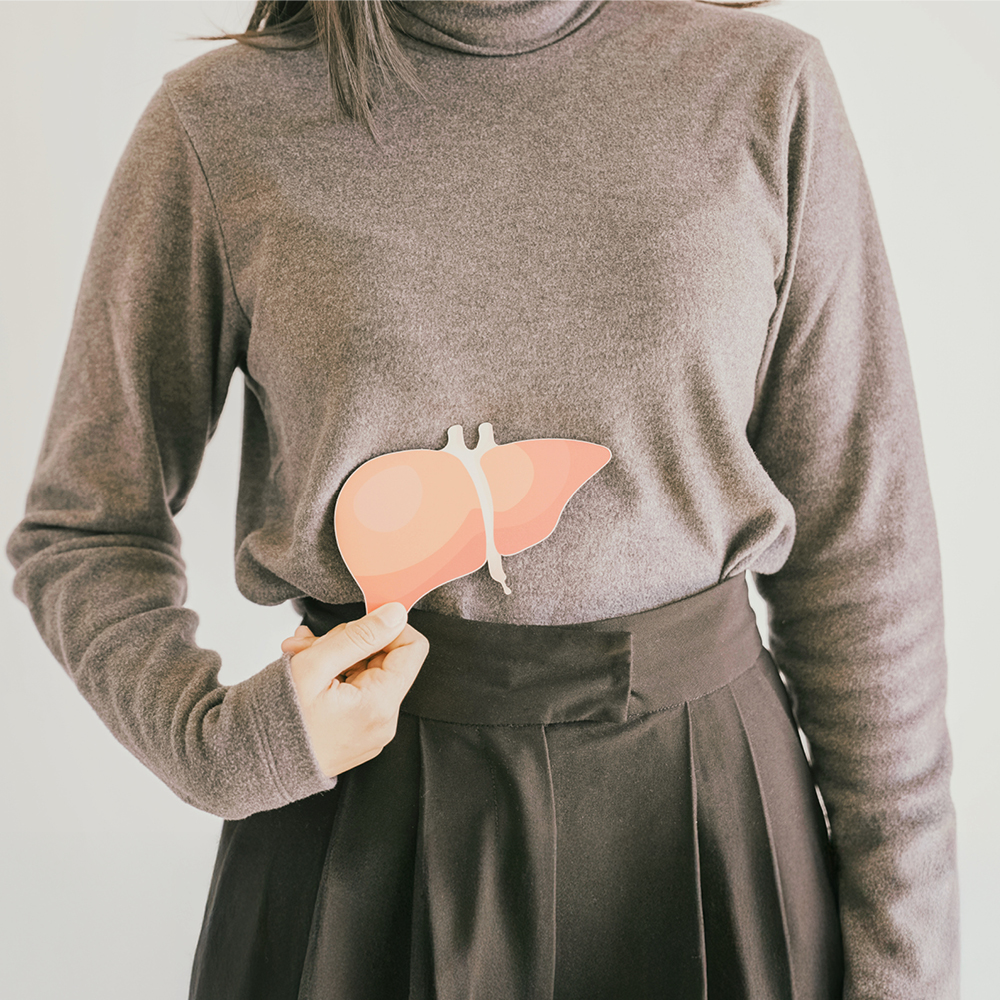
The liver is one of the body's key metabolic organs. It filters nutrients from food, utilises, stores or converts them as needed, produces vital endogenous substances and helps eliminate metabolic by-products. Normal liver function is essential for general wellbeing and energy balance.
HeparFit was developed with selected ingredients such as choline, L-glycine and L-carnitine to provide targeted nutritional support as part of a balanced diet – helping maintain normal liver function. Especially practical: HeparFit is easy to integrate into daily routines – as a shake, pure, mixed with (vegan) quark or enhanced with fresh fruit and vegetables.
How does choline support liver function?
Choline is a semi-essential nutrient that the body can only produce in small amounts. Adequate intake through food or supplements is therefore crucial. Choline contributes to normal homocysteine metabolism, normal fat metabolism and the maintenance of normal liver function.
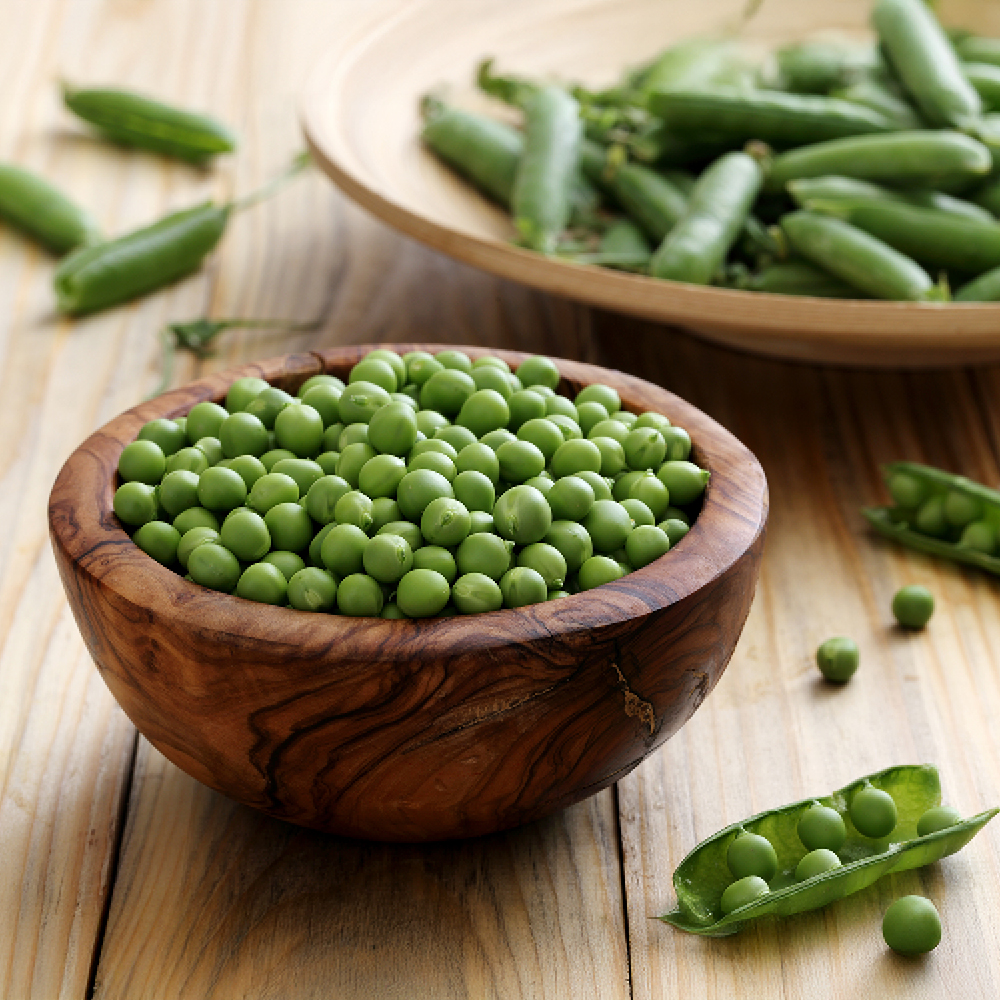
Why use plant-based proteins from peas and lupins?
Plant-based proteins are an excellent alternative to animal protein sources. Pea and lupin protein provide all essential amino acids and are especially suitable for vegans and vegetarians. Our lupin protein is sourced from certified organic agriculture.
What are the benefits of combining L-carnitine and L-glycine?
Glycine is a semi-essential, protein-building amino acid – the smallest of all amino acids – and plays a role in various metabolic processes. L-carnitine is a naturally occurring compound formed from the amino acids L-lysine and L-methionine. It is primarily found in meat and animal products, making our fully vegan HeparFit powder a valuable alternative.
What is the role of the included vitamins and minerals?
The vitamins and minerals in HeparFit, including vitamin C, magnesium, iron and zinc, support various body functions. Vitamin C and magnesium contribute to normal energy metabolism. Vitamin C also helps protect cells from oxidative stress. Zinc supports normal fatty acid metabolism and, along with magnesium and biotin, contributes to the maintenance of normal skin. Iron contributes to the reduction of tiredness and fatigue, while folic acid plays a role in cell division.
Quality
- No separating agents, binding agents or colourants
- Free from genetic engineering, nanoparticles and animal testing
- Hypoallergenic and sensitive formulations (e.g. free from lactose, soya and gluten where possible)
- Ultra-pure, plant-based coating agents (HPMC) and food-safe, light-protected containers
- Free from unwanted additives such as PEG, silicon dioxide, magnesium stearate & titanium dioxide
- Premium raw materials from pure substances
- Regular, independent testing for harmful substances
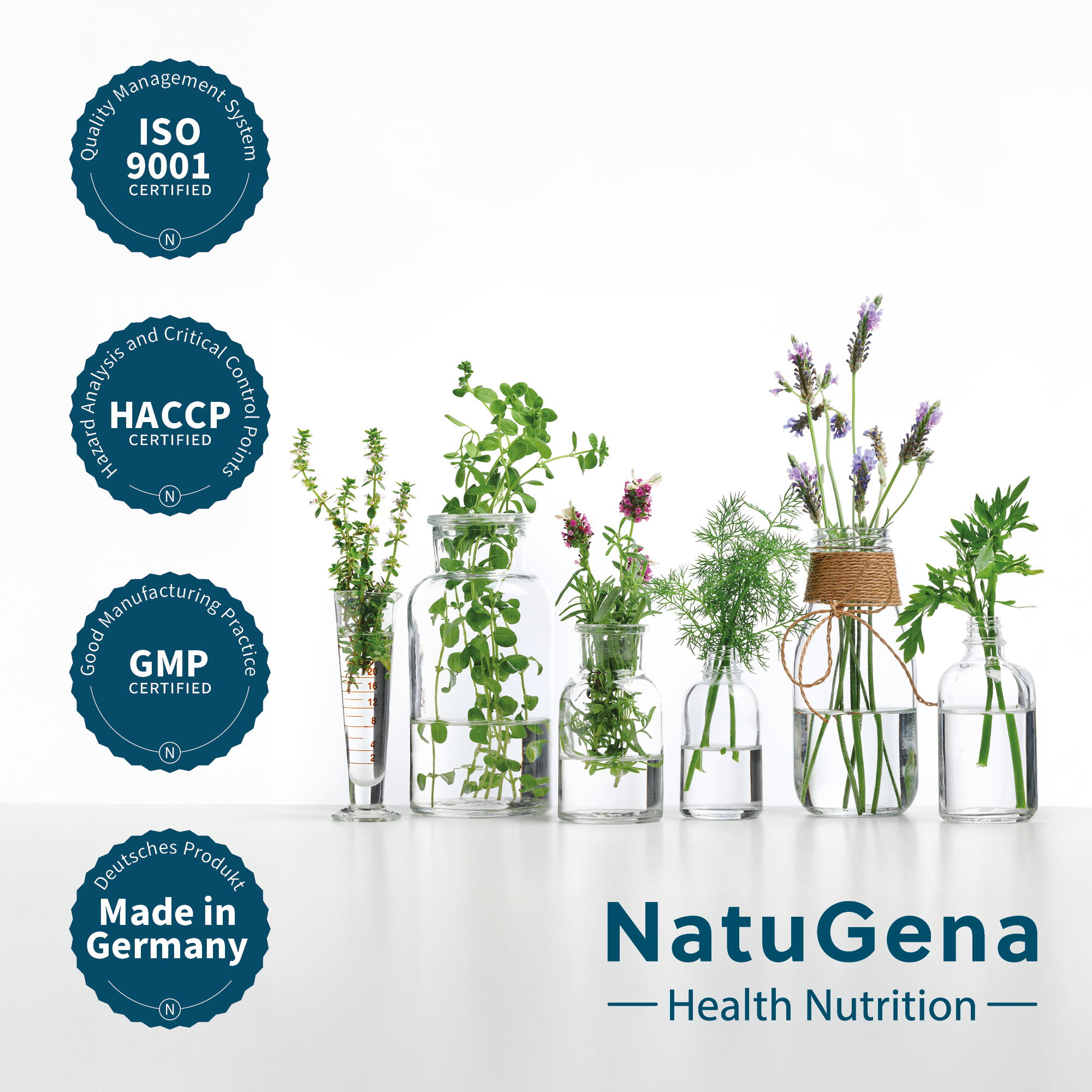
- Production in accordance with German quality standards (GMP, HACCP, ISO 9001)
Recommended Consumption
Consumption recommendation
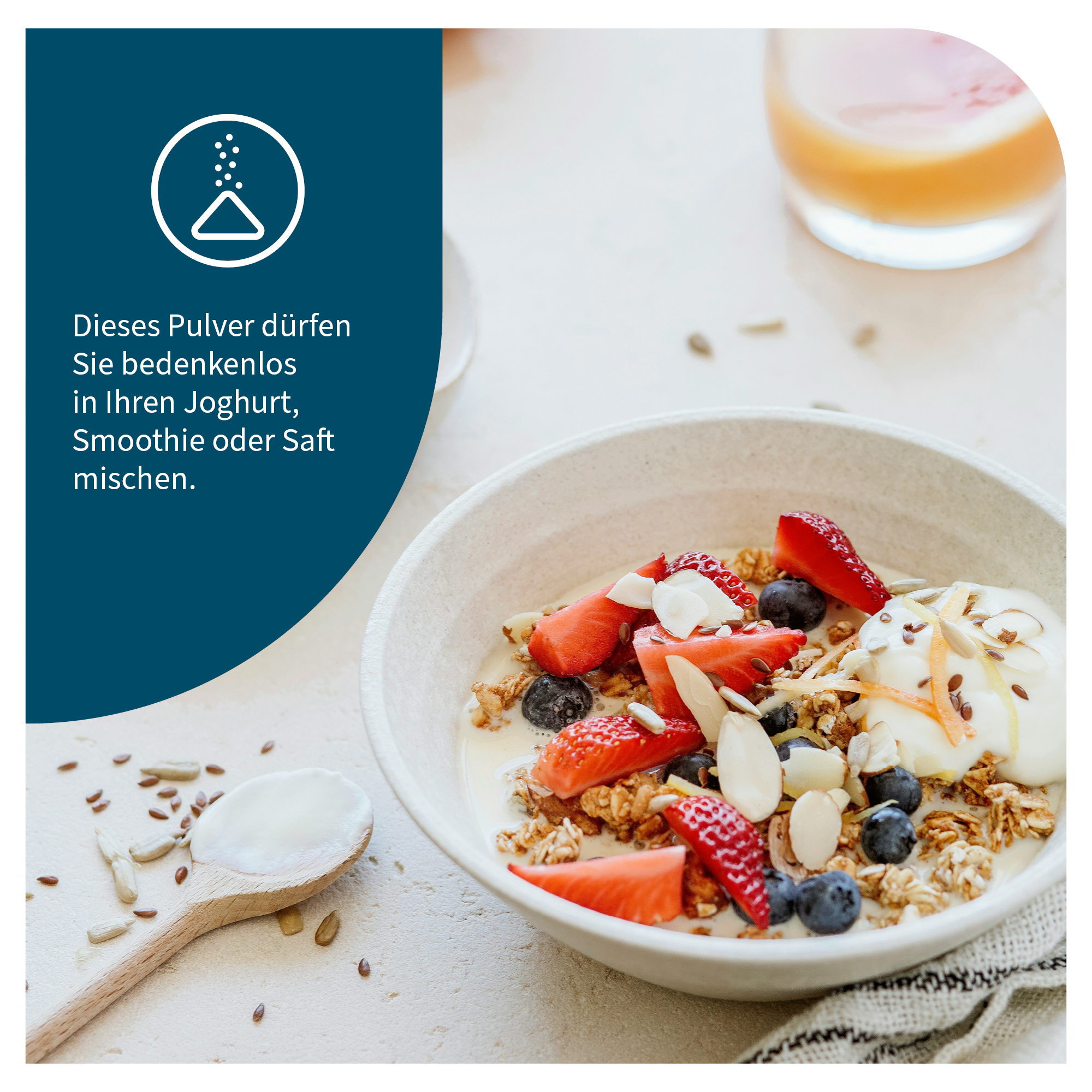
Mix 1 level measuring spoon (50 g) once a day with 400 ml of plant-based drink (e.g. oat or almond milk) or, alternatively, with water in a shaker, and consume. The measuring spoon is included. If you prefer, the shake can also be enjoyed as a smoothie with vegetables and fruit. It is best to consume it at least 30 minutes before or 90 minutes after a meal.
Notes
Food supplements should not be used as a substitute for a balanced and varied diet and a healthy lifestyle. Keep out of reach of small children. Store closed, in a cool, dry place away from light. Do not exceed the recommended daily intake stated.
Content
| Nutritional values per | Daily dose | 100 g |
|---|---|---|
| Energy | 170.5 kcal | 341 kcal |
| Protein | 26 g | 52 g |
| Fat | 3.42 g | 6.84 g |
| – of which saturates | 0.7 g | 1.4 g |
| Carbohydrates | 3.95 g | 7.9 g |
| – of which sugars | 0.415 g | 0.83 g |
| Fiber | 9.75 g | 19.5 g |
| Ingredients per | Daily dose | NRV |
|---|---|---|
| Protein | 26 g | |
| – from peas | 18,8 g | |
| – from lupins | 7,2 g | |
| Dietary fibre | >9,7 g | |
| – from peas and lupins | 4,8 g | |
| – from acacia fibre | 4,9 g | |
| Choline | 110 mg | |
| Creatine | 333 mg | |
| L-glycine | 2400 mg | |
| L-carnitine | 333 mg | |
| Ribose | 1000 mg | |
| Taurine | 434 mg | |
| Bamboo extract | 48 mg | |
| – of which silicon | 16,7 mg | |
| Boron | 0,3 mg | |
| Calcium | 210 mg | 26 |
| Iron | 5 mg | 36 |
| Iodine | 50 μg | 33 |
| Copper | 0,8 mg | 80 |
| Magnesium | 113 mg | 30 |
| Manganese | 0,8 mg | 40 |
| Phosphorus | 140 mg | 20 |
| Selenium | 35 μg | 64 |
| Zinc | 7,5 mg | 75 |
| Beta-carotene | 333 µg | |
| Vitamin B1 (thiamine) | 1,1 mg | 97 |
| Vitamin B2 (R5P; bioactive) | 1,4 mg | 100 |
| Vitamin B3 (nicotinamide; bioactive) | 13 mg | 81 |
| Vitamin B5 (pantothenic acid) | 4,6 mg | 77 |
| Vitamin B6 (P5P; bioactive) | 1,2 mg | 86 |
| Vitamin B7 (D-biotin; bioactive) | 267 μg | 534 |
| Vitamin B9 (folic acid 5-MTHF; bioactive) | 150 μg | 75 |
| Vitamin B12 (bioactive) | 4 μg | 160 |
| – of which adenosylcobalamin | 1,3 μg | 53 |
| – of which hydroxycobalamin | 1,3 μg | 53 |
| – of which methylcobalamin | 1,3 μg | 53 |
| PureWay-C®3 | 50 mg | |
| – oh which Vitamin C | 20 mg | 56 |
| Vitamin D3 from lichen | 2 μg | 402 |
| Vitamin E | 5 mg | 42 |
| Vitamin K2 (MK7 all-trans) | 30 μg | 40 |
1 Reference amounts for the average adult according to Regulation (EU) 1169/2011 (in %).
2 Equivalent to 80 International Units (IE)
3 PureWay-C® and PureWay-C® logo are marks of One InnoVation Labs, LLC. in the U.S. and/or other countries.
| Amino acids from pea and lupin protein | Daily dose (26 g) |
|---|---|
| Total protein | 26 g |
| – of which L-Alanine | 911 mg |
| – of which L-Arginine | 1582 mg |
| – of which L-Aspartic Acid | 2186 mg |
| – of which L-Cysteine | 261 mg |
| – of which L-Glutamine | 3083 mg |
| – of which L-Glycine | 735 mg |
| – of which L-Histidine | 409 mg |
| – of which L-Isoleucine | 995 mg |
| – of which L-Leucine | 1706 mg |
| – of which L-Lysine | 1518 mg |
| – of which L-Methionine | 190 mg |
| – of which L-Phenylalanine | 1097 mg |
| – of which L-Proline | 768 mg |
| – of which L-Serine | 1678 mg |
| – of which L-Threonine | 762 mg |
| – of which L-Tryptophan | 178 mg |
| – of which L-Tyrosine | 131 mg |
| – of which L-Valine | 1801 mg |
Composition
Pea protein, organic lupin protein (33%), acacia fiber, L-glycine, ribose, tricalcium citrate, dicalcium phosphate dihydrate, vanilla flavoring, magnesium taurate, magnesium bisglycinate, L-carnitine tartrate, creatine monohydrate, choline bitartrate, magnesium malate, tripotassium citrate, vitamin C (PureWay-C®), bamboo extract powder, iron bisglycinate, zinc gluconate, nicotinamide, zinc picolinate, zinc bisglycinate, sodium selenite, calcium D-pantothenate, manganese bisglycinate, vitamin E powder, copper bisglycinate, beta-carotene, sodium tetraborate, pyridoxal 5-phosphate, riboflavin 5-phosphate, vitamin K2 (MK7 all-trans) Thiamine hydrochloride, cholecalciferol from lichen, D-biotin, calcium L-methylfolate, potassium iodide, adenosylcobalamin, methylcobalamin, hydroxocobalamin.
– DE-ÖKO-006
Blog Articles
There are no blog texts available for this product.
FAQ
In dietary proteins, amino acids are linked together to form longer protein chains. During digestion, these must first be broken down into smaller components and individual amino acids.
OktaAmino already contains the eight essential amino acids in their free, crystalline form. Therefore, they do not first need to be extracted from a dietary protein but are immediately available as individual amino acids for further metabolism after ingestion.
The carefully balanced amino acid ratio is based on the Master Amino Acid Pattern.
Lectins occur naturally in legumes such as peas and chickpeas and are found throughout the seed, with slightly higher concentrations in the outer layers. However, the manufacturing process for pea protein (cleaning, grinding, aqueous extraction, heating, and drying) largely inactivates these lectins, so that only inactivated or greatly reduced amounts remain in the final product.
Do the proteins denature during this process?
Yes, the proteins are partially denatured during processing, meaning their structure changes. However, the amino acids—the building blocks—remain fully intact and can still be easily absorbed and utilized by the body; in some cases, digestibility is even improved.
What is the lectin content?
No precise quantitative determination is performed. However, due to the processing, it can be assumed that only inactivated lectins are present in very small amounts.
Our products thus provide amino acids from pea protein in a highly bioavailable form, e.g., Protein Vegan, MitochondrienAktivator Powder, and HeparFit.
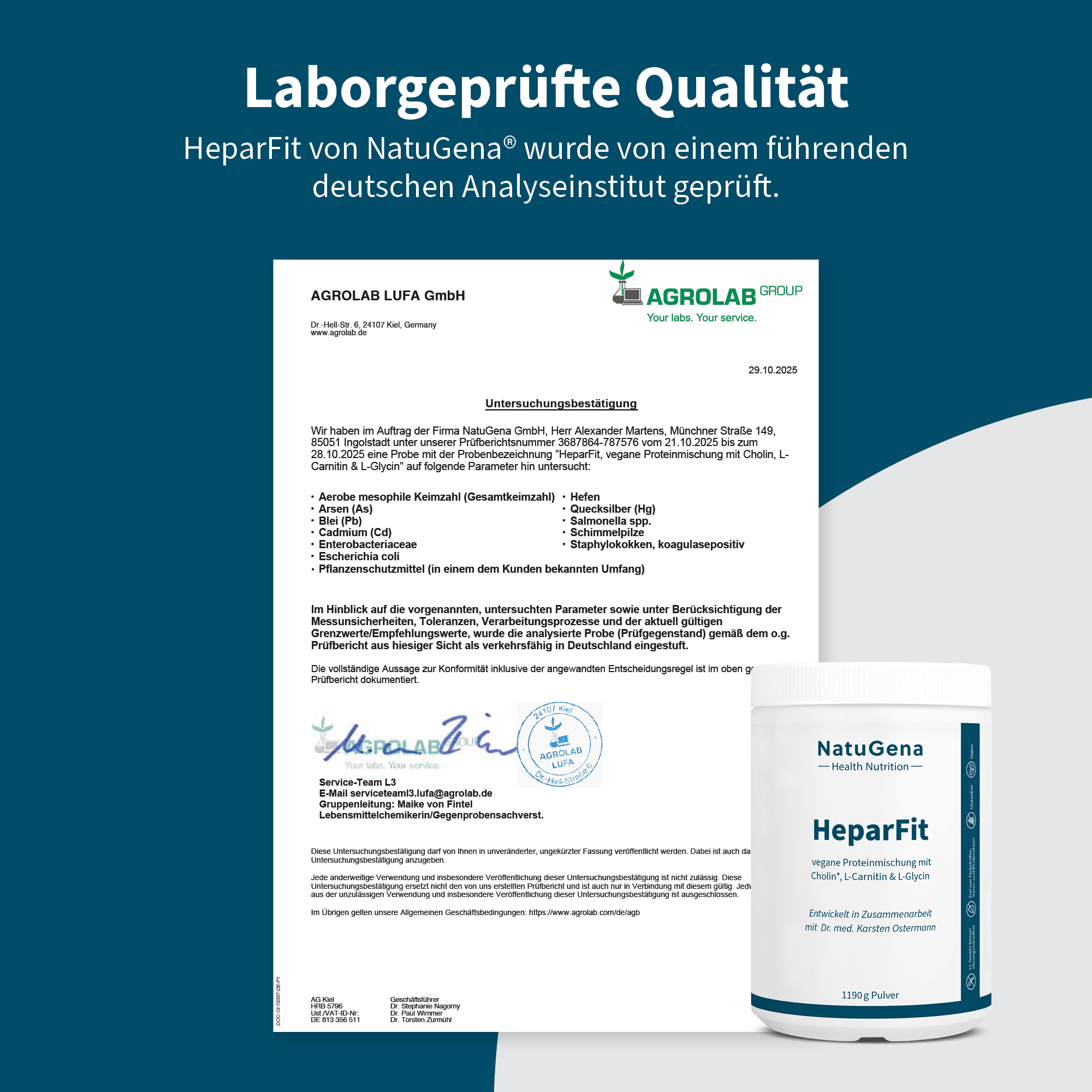
We work with the independent laboratory AgroLab, which we commission to perform microbiological and heavy metal tests.
In our microbiological testing, we measure the aerobic mesophilic plate count (total plate count), as well as the levels of Escherichia coli (E. coli), yeasts, Salmonella, molds, and staphylococci.
For heavy metals, we test for arsenic, lead, cadmium, and mercury in accordance with the limit values specified in Regulation (EU) 2023/915.
The optimal duration of use depends on the specific nutrient, your initial situation, diet, and individual requirements.
There is therefore no one-size-fits-all recommendation for how long a product should be taken. For products intended to support nutrient intake over a longer period, use over several weeks to months may be appropriate. In many cases, a period of around three months may be suitable before nutrient status and further requirements are reassessed.
In the case of diagnosed deficiencies, medical conditions, or the use of medication, the use of supplements should be individually discussed with a doctor or qualified healthcare professional.
The optimal time to take a supplement depends on the specific nutrient, individual tolerance, and the composition of the product. However, some ingredients can be particularly well suited to certain times of day or meals.
In the morning
Stimulating ingredients are often preferably taken in the morning or during the first half of the day. These include, for example:
- Coenzyme Q10
- Green tea extract
- Certain B vitamins
Especially for sensitive individuals, it may be advisable to avoid taking stimulating ingredients immediately before bedtime.
Throughout the day
For some nutrients, it may be beneficial to divide the daily amount into several doses.
Water-soluble vitamins such as B vitamins and vitamin C can be taken throughout the day.
Magnesium can also be divided into several doses rather than taking the entire daily amount at once. This may improve tolerance, particularly with higher amounts.
In the evening
Depending on the type of magnesium compound, taking it in the evening may be beneficial. Magnesium glycinate, for example, is often preferably taken in the evening.
In general, however, the best time to take a product also depends on when it is individually best tolerated and can be reliably incorporated into your daily routine.
With a meal
Some nutrients benefit from being taken together with a meal.
Fat-soluble vitamins A, D, E, and K can be taken together and ideally with a meal containing some fat.
Omega-3 fatty acids should also be taken regularly with a meal. Omega-3 oils can be combined well with fat-soluble vitamins.
Many plant-based ingredients can also be taken as part of a meal or together with omega-3 products. However, the optimal timing depends on the specific plant compound and product formulation.
Zinc can cause nausea or stomach discomfort on an empty stomach in some people. If you have a sensitive stomach, it is therefore advisable to take zinc with a meal.
Between meals
Iron is often taken separately from meals, as various foods and beverages can affect its absorption. It is particularly advisable to leave a gap between iron and:
- Coffee and tea
- Caffeinated beverages
- Milk and dairy products
- Calcium- or mineral-rich supplements
However, if you have a sensitive stomach, iron can also be taken with a meal. In this case, individual tolerance is more important than a theoretically optimal intake situation.
Enzyme supplements vary depending on their intended use: digestive enzymes are generally taken with meals. Products that are specifically intended to be taken between meals may, for example, be taken around 30 minutes before a meal. The product's specific recommended intake should always be followed.
Around exercise
Proteins and amino acids can be taken both before and after training.
If you exercise on an empty stomach, taking them around 30 minutes before training may be beneficial. If you have already eaten a protein-rich meal, you can also plan your protein intake for after training.
In general, ensuring sufficient protein intake throughout the entire day is more important than adhering to a narrow time window around your workout.
If you need this item on a long-term basis and are interested in a discounted subscription, you can find the terms and conditions on the Product Subscription page.
Country-specific information
This item may not be resold in the following countries: Switzerland
Legal notice
This product is for nutritional purposes and therefore does not affect the Heilmittelwerbegesetz (HWG). Good nutritional status is important for your general well-being. All statements made about the product describe properties and physiological effects that may naturally vary among consumers and do not represent any healing or health promises.
Responsible person for the EU
The economic operator based in the EU responsible for this product:
NatuGena GmbH, Münchener Str. 149, 85051 Ingolstadt, Germany,
+49 841 90 255 000, info@natugena.de, https://www.natugena.de

You May Also Be Interested in These Articles
HydroVitamine
Bioactive vitamin B and C complex
37,95 €
MonoDiTox
Cholin, artichoke, milk thistle, dandelion & nettle
49,95 €
MonoColor Curcuma 2000
Bio Curcuma, Curcumin C3 Complex®, Turmacin® & Lecithin
44,95 €
LipoVitamine 5000
Vitamin D3, E, K, A
37,95 €
CellEnergy
10 mg NADH & 150 mg Coenzym Q10
49,95 €
Zinc & Selenium
Zinc Picolinate & Sodium Selenite
19,95 €
Glutathione 500
Reduced glutathione
44,95 €
Vitamin C
PureWay-C® & Polyphenol Complex
37,95 €
Carnitin & Q10
Carnitine-Q10 Complex
44,95 €
LipoVitamine 1000
Vitamin E, D3, K, A
34,95 €