
Mitochondria & Energy Metabolism
Energy metabolism is a complex biological process in which the body converts nutrients such as carbohydrates, fats, and proteins into energy. This energy is primarily available to us in the form of ATP (adenosine triphosphate), the universal energy carrier of cells. This conversion takes place primarily in the mitochondria and is essential for all physical and mental functions, from muscle activity and cognitive processes to cell regeneration. If energy metabolism is disrupted—for example, by stress, nutrient deficiencies, or aging—it can lead to fatigue, difficulty concentrating, or reduced performance. Targeted support can help stabilize this central process, make energy production more efficient, and thus sustainably strengthen the body’s own source of energy.
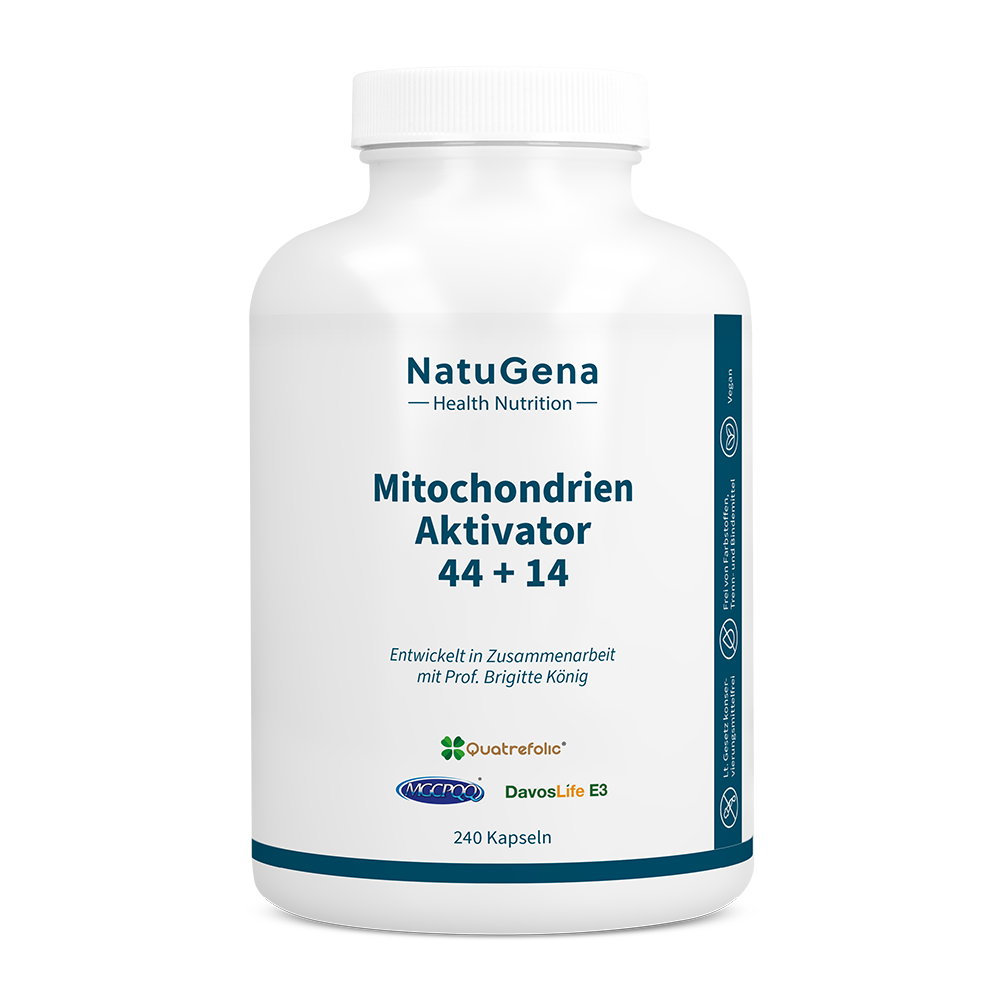
MitochondrienAktivator 44+14
Contains bioactive vitamins, minerals, antioxidants, and amino acids.
240 capsules (size 00) for 30 days
- Free of dyes
- Gluten-free
- Preservative-free as required by law
- Lactose-free
- Vegan
- Free of anti-caking and binding agents
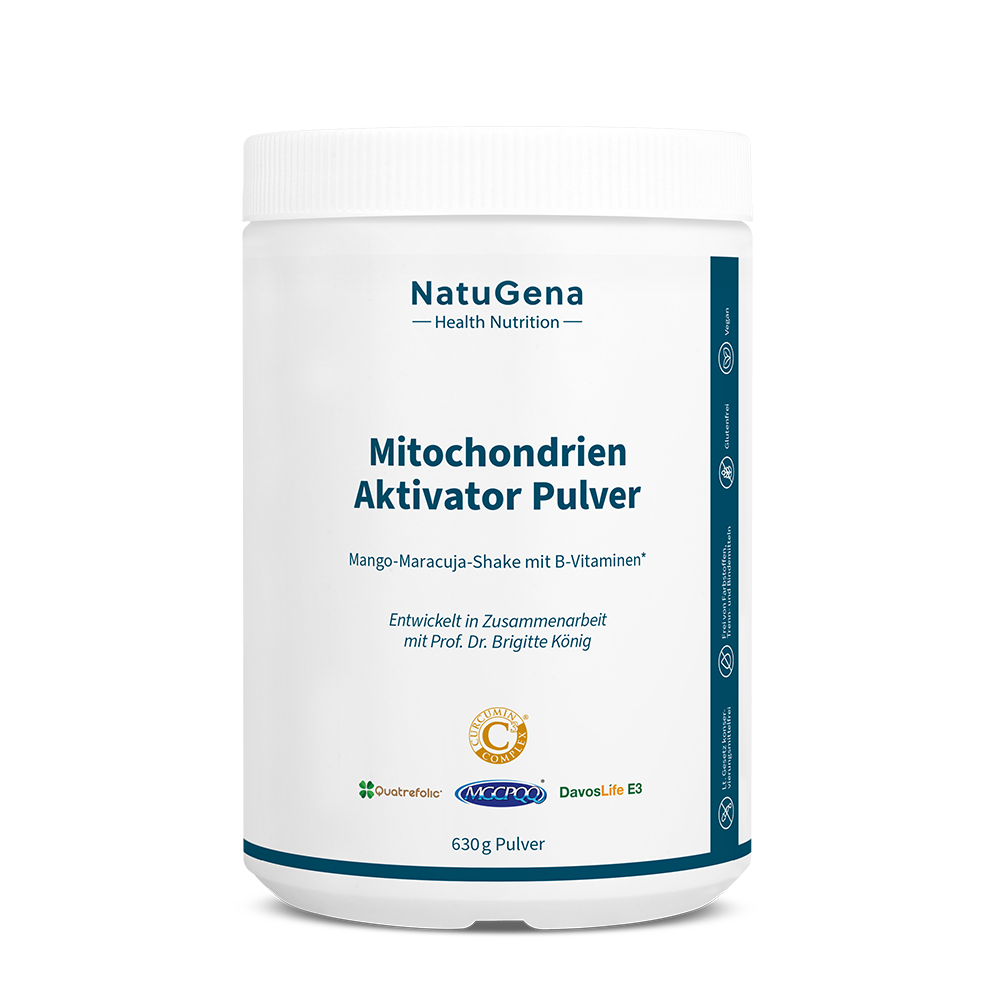
MitochondrienAktivator Powder
Tailored to specifically support mitochondrial function. Developed in collaboration with Professor Dr. Brigitte König.
633 g powder for 30 days
- Free of dyes
- Gluten-free
- Preservative-free as required by law
- Lactose-free
- Vegan
- Free of anti-caking and binding agents
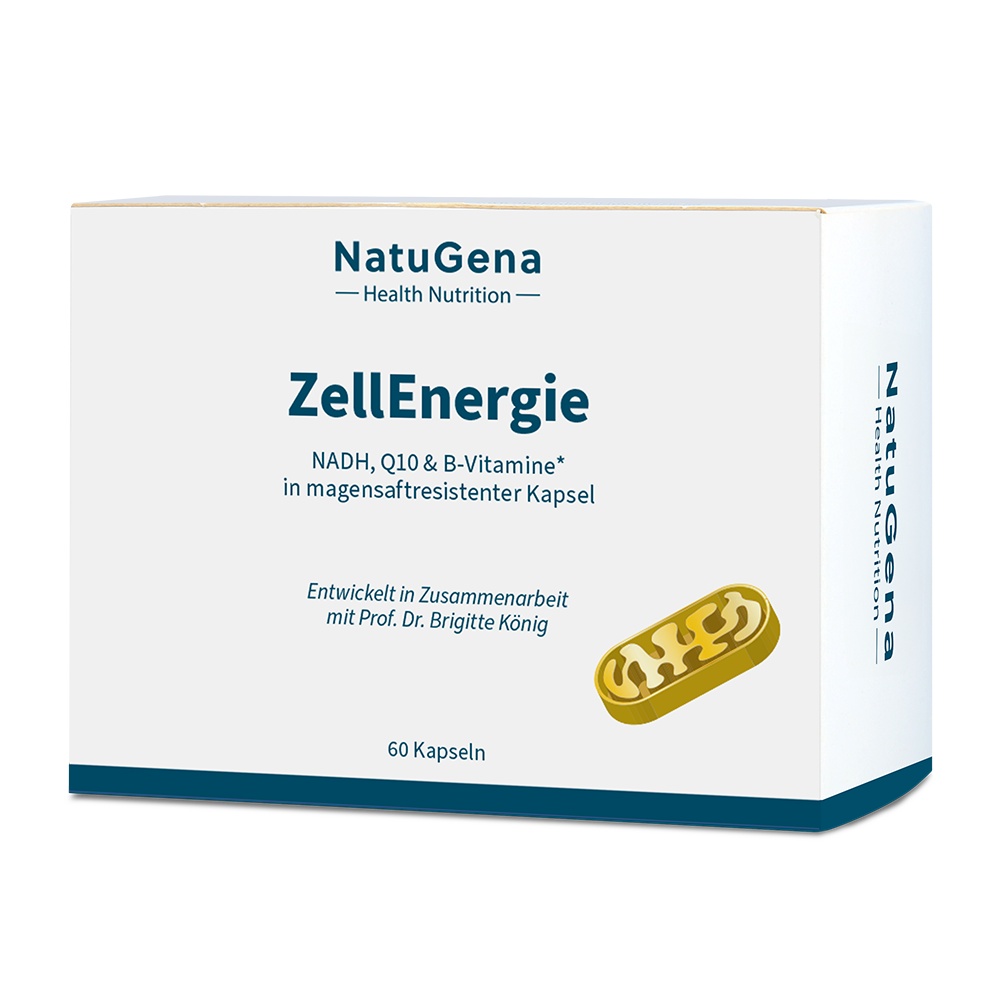
CellEnergy
Contains a carefully selected combination of vitamins and minerals that support the body's functions.
60 capsules (size 0) for 60 days
- Free of dyes
- Gluten-free
- Preservative-free as required by law
- Lactose-free
- Vegan
- Free of anti-caking and binding agents
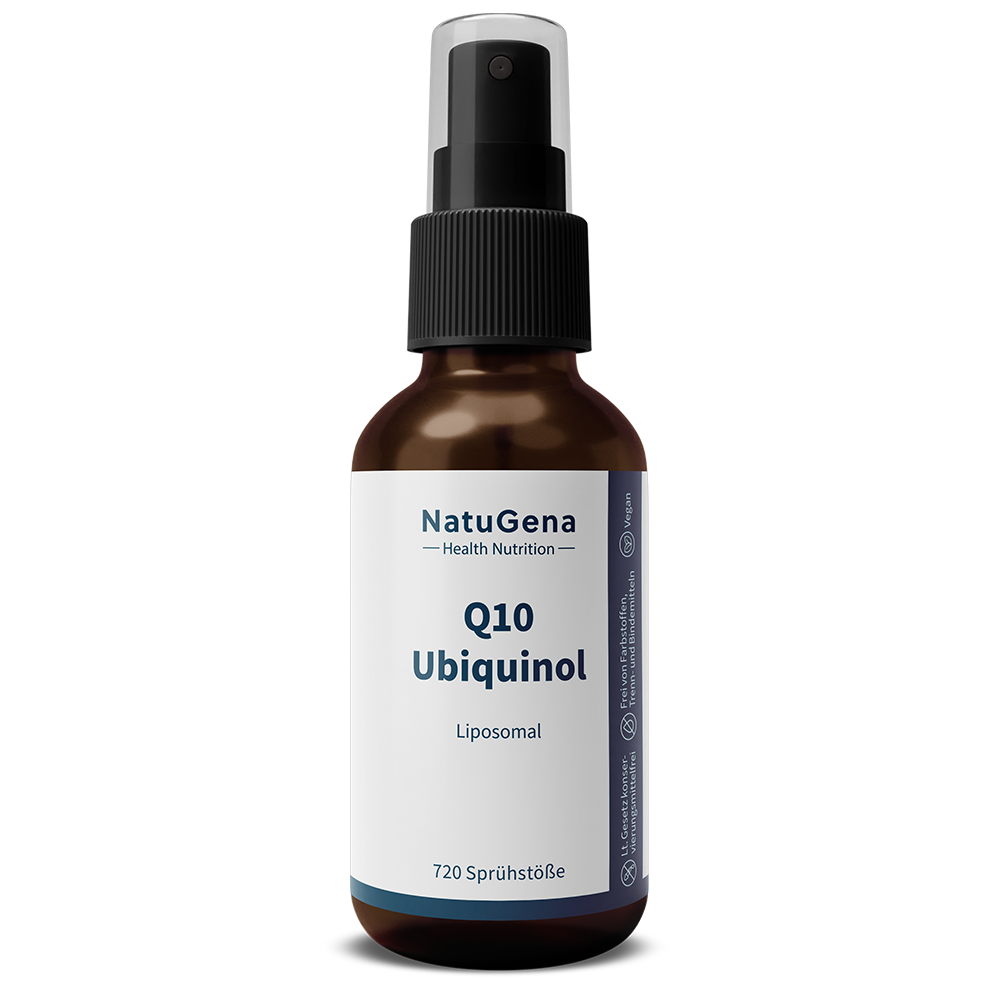
Q10 Ubiquinol 100
High-dose Q10 Ubiquinol in a liposomal formulation. With orange oil flavor.
100 ml spray ≈ 720 spray bursts for 120 days
- Free of dyes
- Gluten-free
- Lactose-free
- Vegan
- Free of anti-caking and binding agents
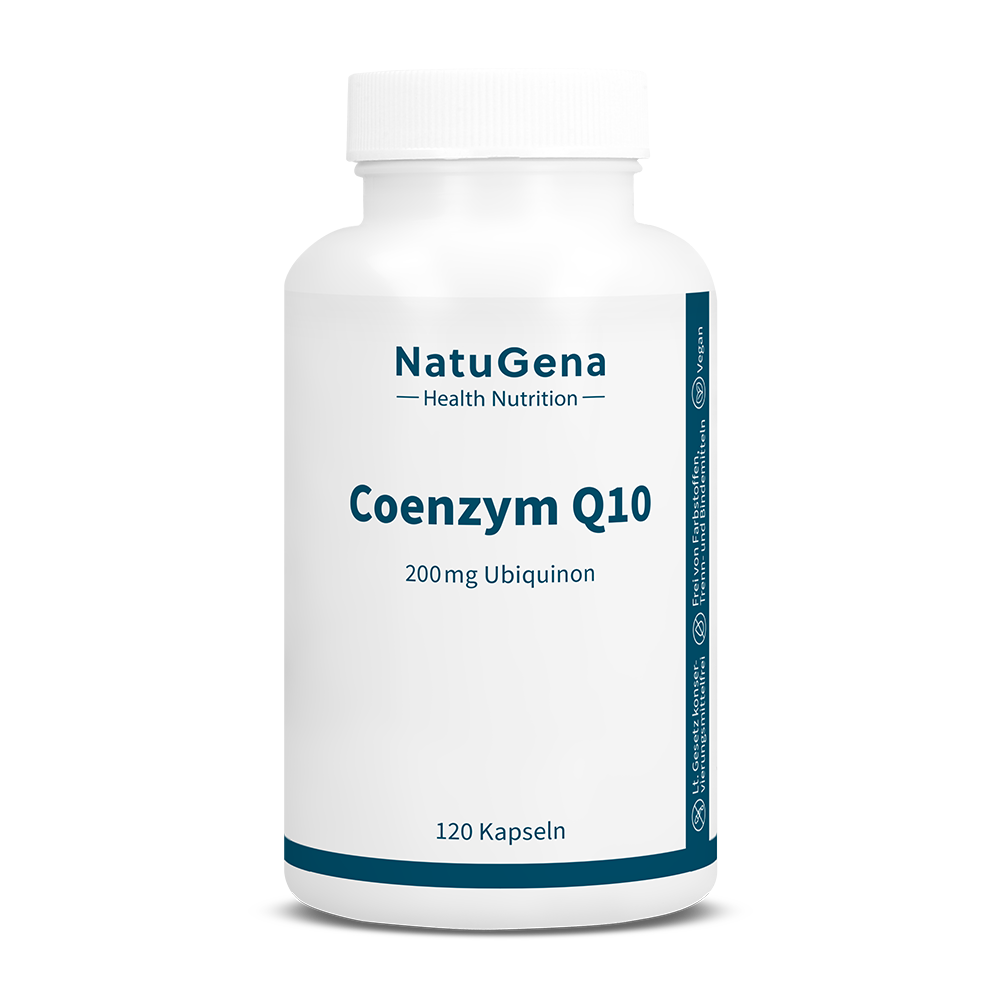
Coenzym Q10
Contains high-dose ubiquinone obtained through fermentation.
120 capsules (size 00) for 120 days
- Free of dyes
- Gluten-free
- Preservative-free as required by law
- Lactose-free
- Vegan
- Free of anti-caking and binding agents
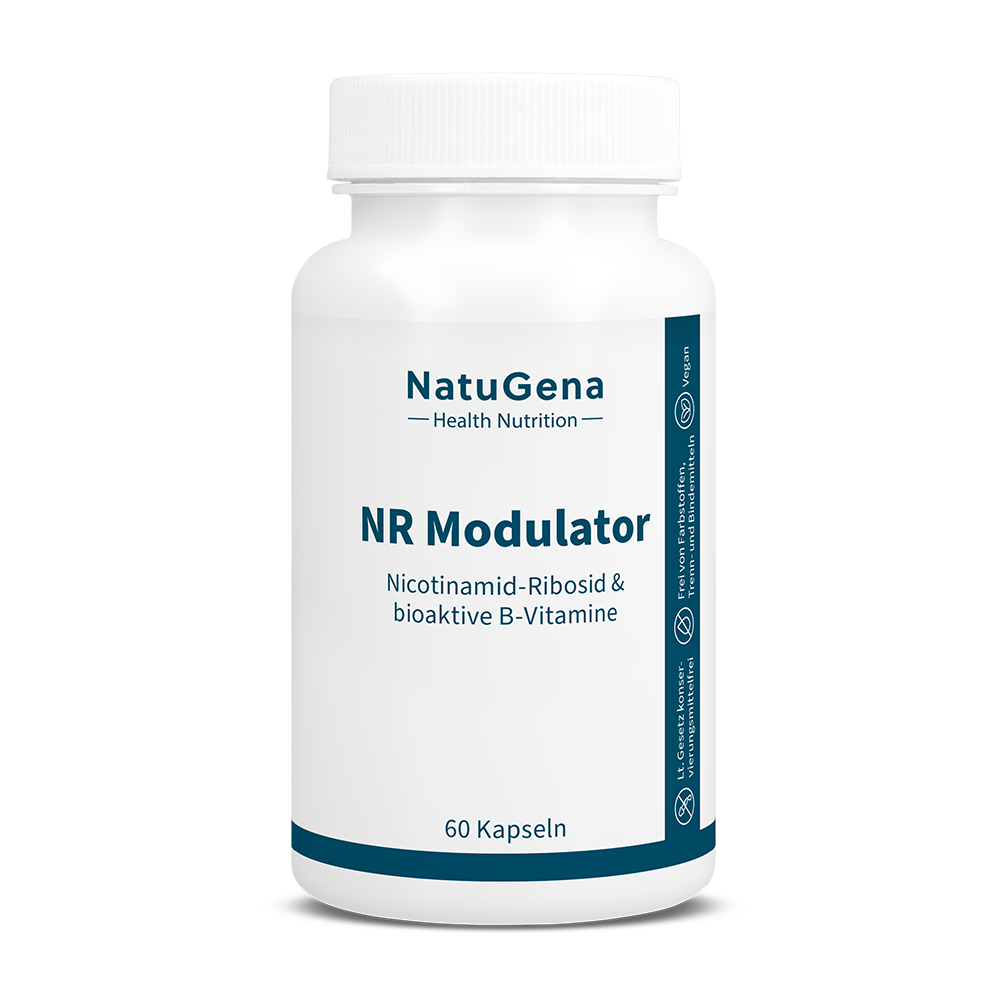
NR Modulator
NR Modulator is a form of vitamin B3 that serves as a precursor for the formation of NAD+ in the body.
60 capsules (size 00) for 60 days
- Free of dyes
- Gluten-free
- Preservative-free as required by law
- Lactose-free
- Vegan
- Free of anti-caking and binding agents
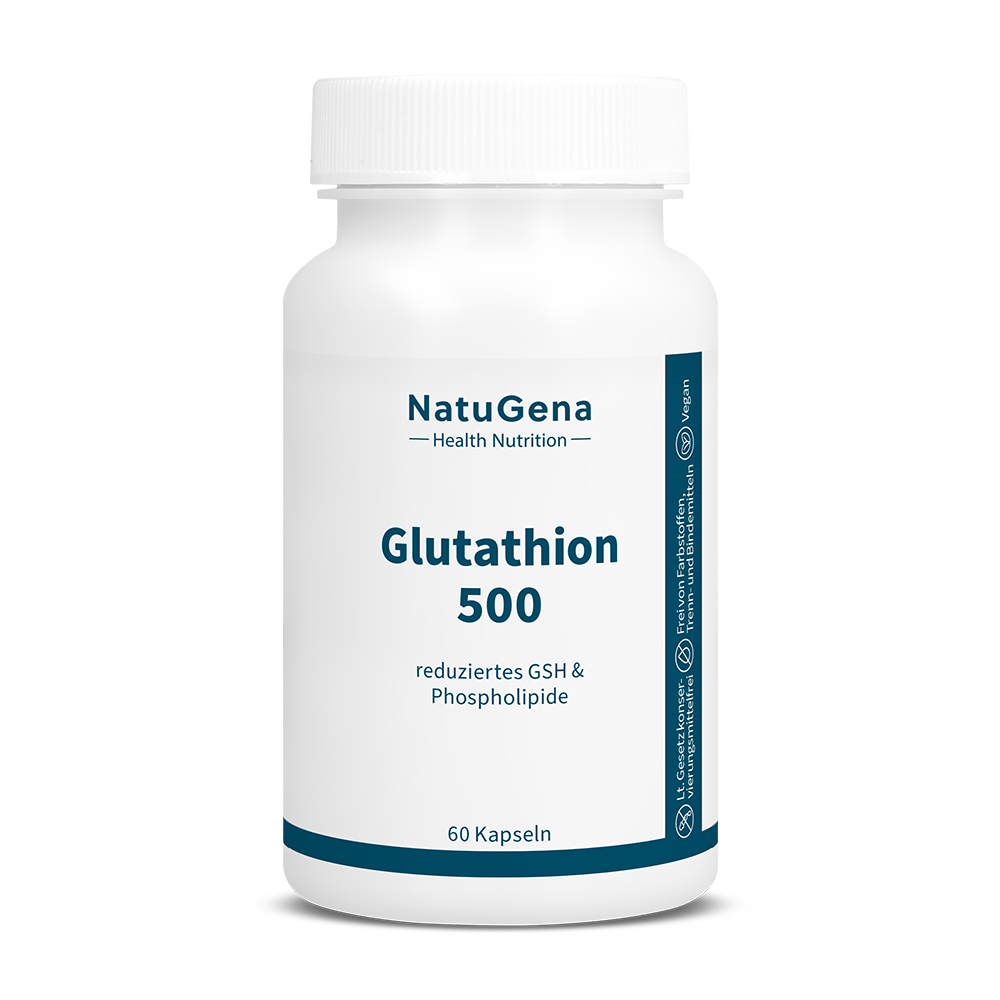
Glutathione 500
Glutathione is a water-soluble tripeptide composed of three amino acids: glycine, cysteine, and glutamic acid. A powerful antioxidant.
60 capsules (size 1) for 30 days
- Free of dyes
- Gluten-free
- Preservative-free as required by law
- Lactose-free
- Vegan
- Free of anti-caking and binding agents
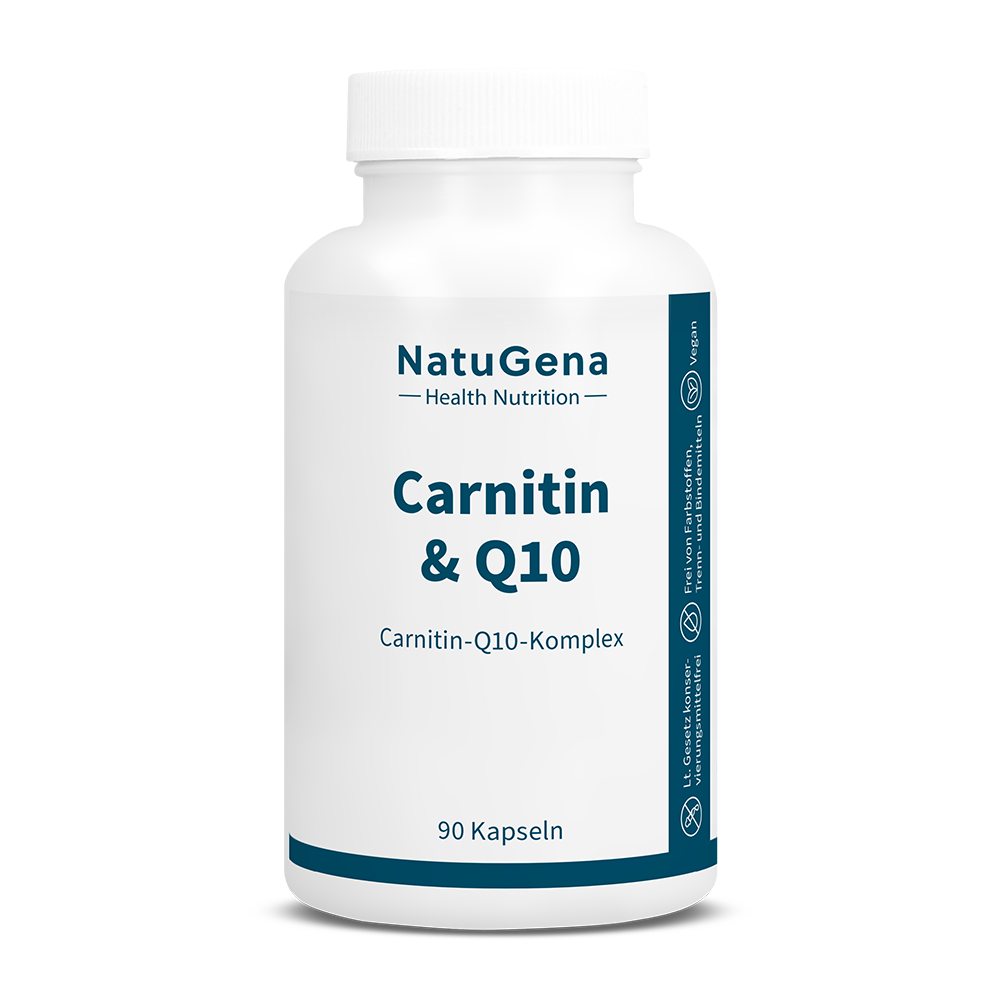
Carnitin & Q10
With vitamin C from camu camu and magnesium, ideal for balanced micronutrient support.
90 capsules (size 000) for 30 days
- Free of dyes
- Gluten-free
- Preservative-free as required by law
- Lactose-free
- Vegan
- Free of anti-caking and binding agents
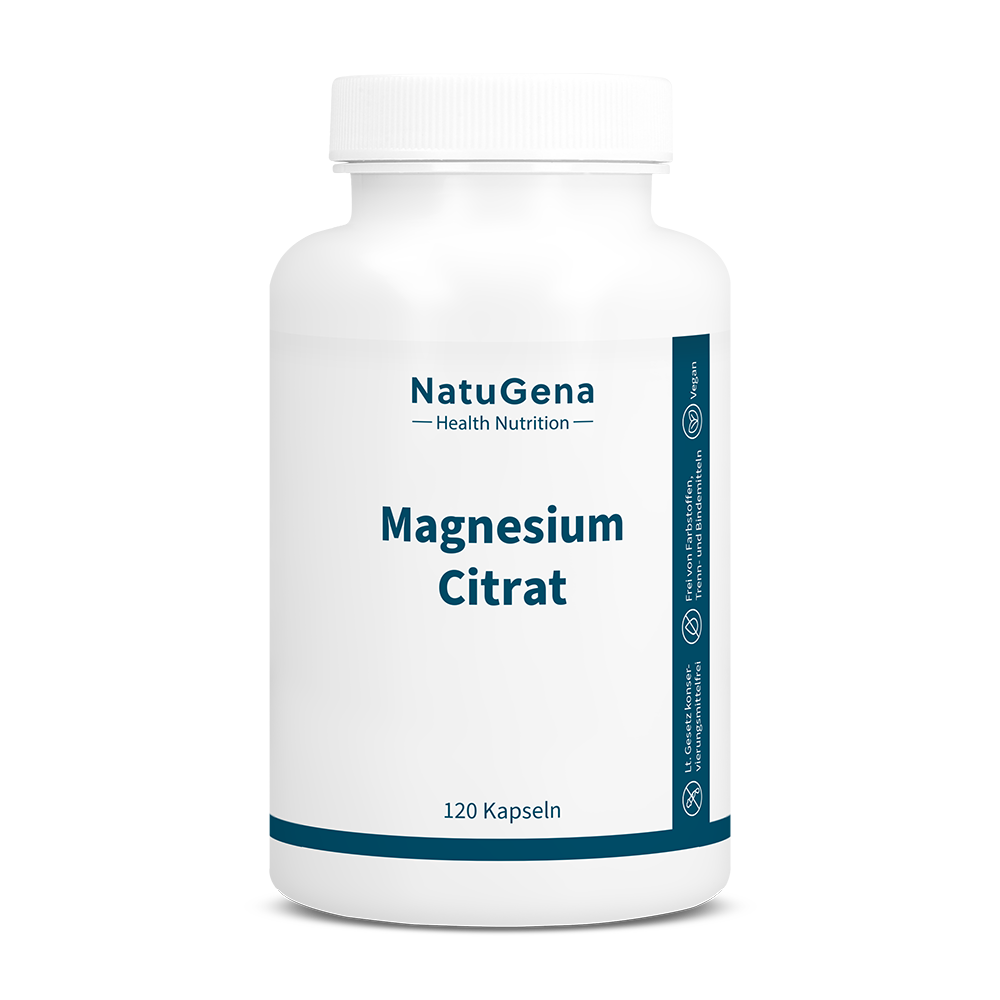
Magnesium Citrate
Optimally dosed in citrate form, with high bioavailability and particularly good tolerability.
120 capsules (size 00) for 60 days
- Free of dyes
- Gluten-free
- Preservative-free as required by law
- Lactose-free
- Vegan
- Free of anti-caking and binding agents
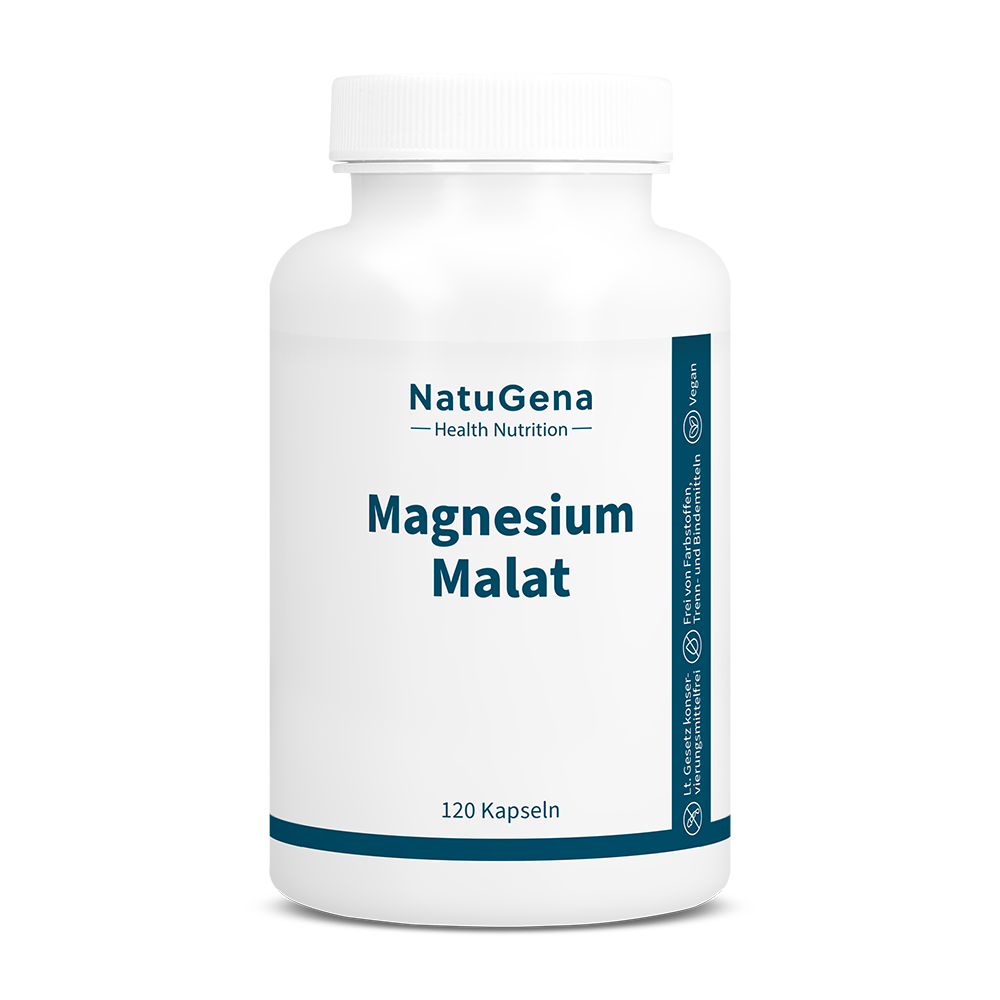
Magnesium-Malat
A particularly well-tolerated form of magnesium that rarely causes unwanted side effects.
120 capsules (size 00) for 60 days
- Free of dyes
- Gluten-free
- Preservative-free as required by law
- Lactose-free
- Vegan
- Free of anti-caking and binding agents
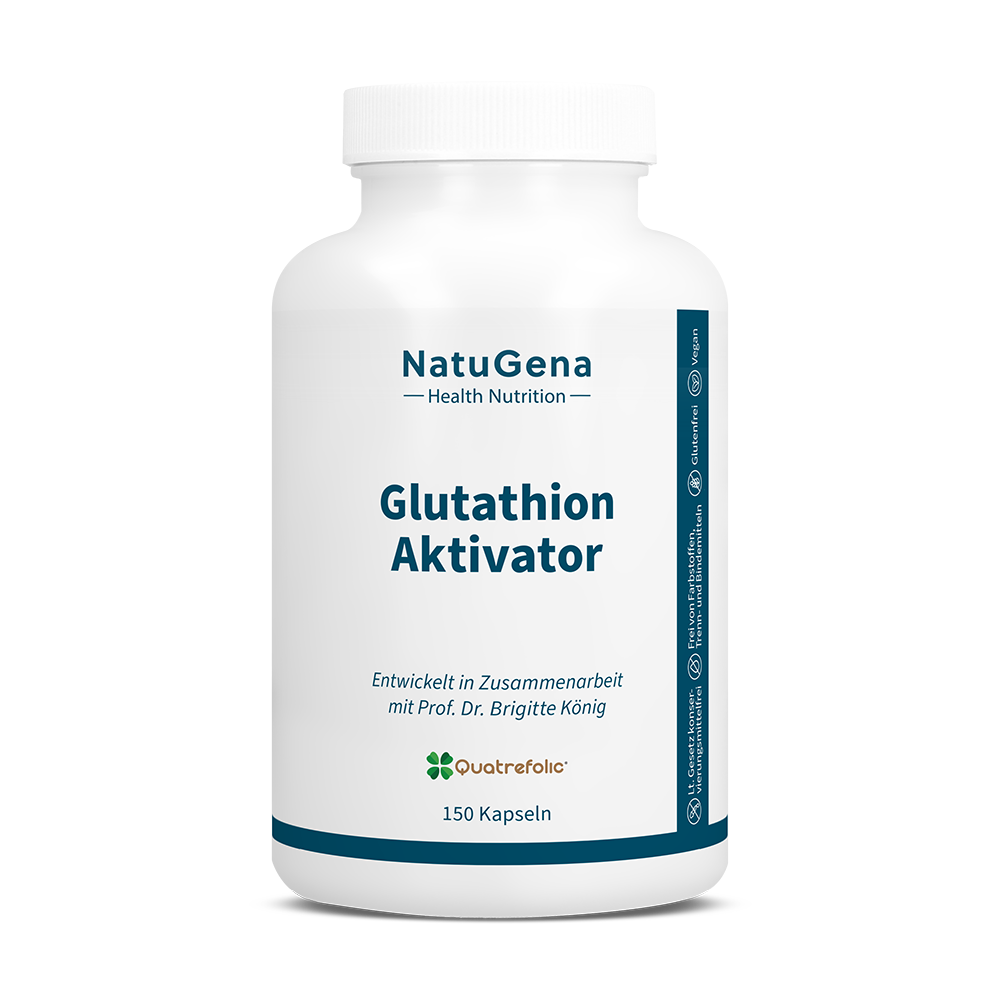
GlutathionAktivator
Combines 100% reduced glutathione with cofactors and essential minerals.
150 capsules (size 00) for 30 days
- Free of dyes
- Gluten-free
- Preservative-free as required by law
- Lactose-free
- Vegan
- Free of anti-caking and binding agents
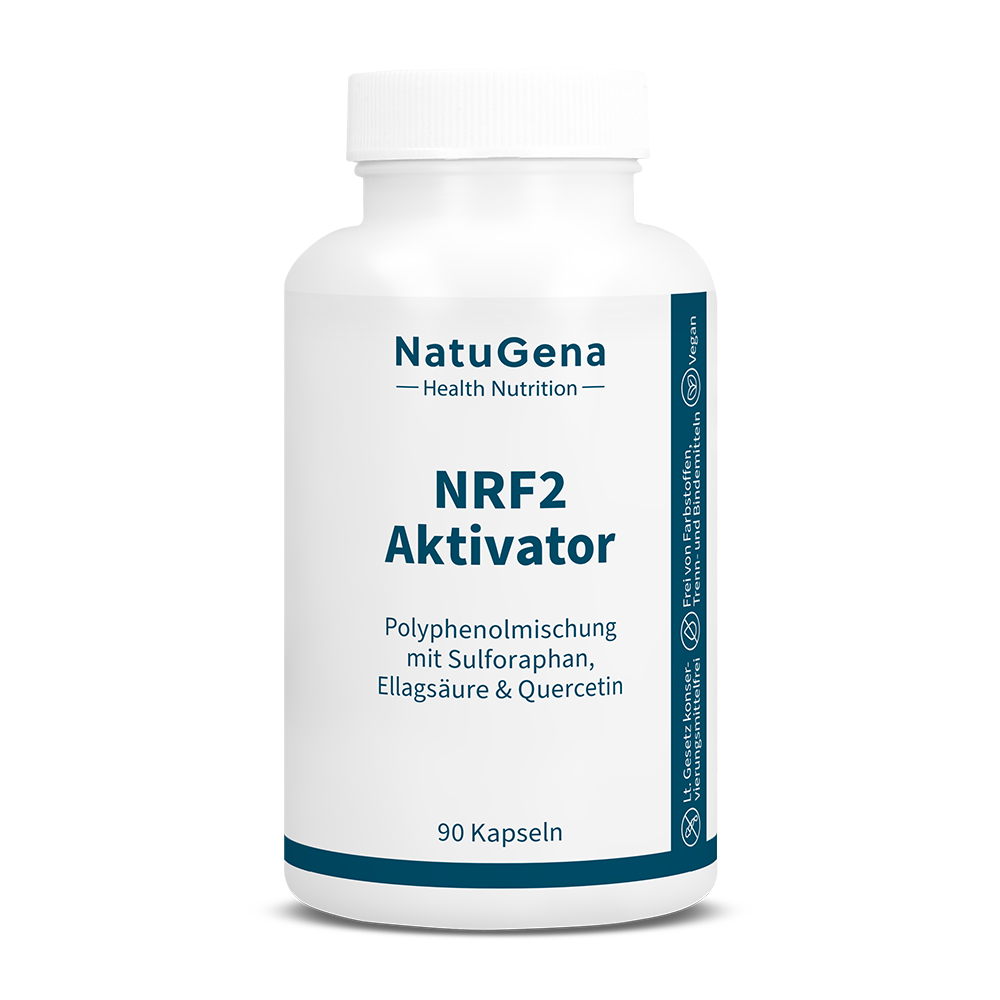
NRF2 Aktivator
Contains plant extracts and natural botanical compounds, enriched with piperine from black pepper.
90 capsules (size 00) for 30 days
- Free of dyes
- Gluten-free
- Preservative-free as required by law
- Lactose-free
- Vegan
- Free of anti-caking and binding agents