
22.10.2026 Redaktion
Blue Light and Sleep: How Our Daily Habits Disrupt the Sleep-Wake Cycle
Using smartphones, working on computers, and streaming TV series – especially right before bedtime – can interfere with the function of our pineal gland. Among other things, this small gland regulates the release of the hormone melatonin, which is normally produced in greater amounts as darkness falls in the evening. However, if bright, often bluish screen light continues to reach our retinas, the body may receive signals that it is still daytime, potentially delaying melatonin production. A few simple habits can help prevent blue light from unnecessarily disrupting sleep and the body's internal clock.
Blue Light and Sleep: Key Facts at a Glance
- Artificial blue light in the evening can delay the body's natural production of melatonin.
- In addition to light color, brightness, screen time, and stimulating content can affect how easily we unwind in the evening.
- Taking intentional breaks from screens, dimming lights in the evening, and getting sufficient daylight in the morning can support the body's biological rhythm.
What Is Blue Light?
Blue light is the short-wavelength, high-energy portion of the visible light spectrum, covering a wavelength range of approximately 380 to 500 nanometers. It occurs naturally as a component of sunlight but is also emitted by LEDs, smartphones, tablets, computer monitors, and televisions. While morning daylight contains a particularly high proportion of blue light that promotes alertness, this proportion decreases significantly in the natural twilight of the evening.
How the Pineal Gland Regulates the Day-Night Rhythm
Deep within our brain lies a tiny, pinecone-shaped organ called the pineal gland. Barely larger than a grain of rice, it nevertheless has a significant influence on the entire body. As part of the body's biological timing system, it responds to signals from the retina, which are transmitted through specialized light-sensitive receptors to the internal clock.
As darkness falls, the pineal gland begins releasing melatonin. Levels of this hormone rise steadily during the evening and reach their peak in the second half of the night. Once melatonin production has begun, the hormone can exert its effects throughout the body. It signals that it is time to wind down: Body temperature may decrease slightly, metabolic activity may slow, and the body can prepare for nighttime rest.
Blue Light in the Evening: Why Screens Disrupt the Biological Rhythm
Light from smartphones, tablets, LED lamps, and televisions contains a substantial proportion of blue light, which resembles natural morning daylight. When this light reaches the retina late in the evening, it can send a misleading daytime signal to the body's internal clock, suppressing melatonin release even when it is already 10 p.m.
In addition to light color, the effects on sleep depend on brightness, duration of exposure, and distance from the display. Stimulating content such as news, social media, or exciting TV series can also keep the mind alert, making it harder to settle down for the night. As a result, exposure to blue light late in the evening can disrupt the body's usual biological rhythm.
Effects of Blue Light on Sleep: Evening Consequences
If melatonin release is suppressed or delayed by blue light in the evening, several noticeable effects may occur:
- Difficulty falling asleep despite feeling physically tired
- Restless, less restorative sleep
- A delayed sleep schedule that may become increasingly disrupted over several days
- Feelings of inner tension in the evening, even though the day has already ended
Many people are familiar with this experience: They lie in bed feeling exhausted but simply cannot fall asleep. One common contributing factor may be their habits during the hours before bedtime. Screens and bright displays can interfere with feelings of sleepiness, potentially affecting sleep quality. Constantly looking at screens shortly before bedtime keeps the brain engaged, which can delay the onset of natural sleep and make it more difficult to stay asleep.
Individual chronotype also influences the sleep-wake rhythm. Evening types who spend long periods using screens at night may shift their internal clock even further back. If they still need to wake up early the next morning, this can lead to a persistent sleep deficit. In older adults, the body's natural melatonin production also decreases with age, potentially making the biological rhythm more sensitive to artificial light sources.
Persistent Sleep Disturbances Associated with Blue Light: When to Seek Medical Advice
If difficulties falling asleep or staying asleep persist for several weeks, or if severe daytime fatigue interferes with everyday activities, a medical assessment is recommended. Artificial screen light is often only one of several contributing factors. A professional examination can help identify or rule out physical and psychological causes of sleep disturbances.
Night Mode, Blue Light Glasses, or Reduced Brightness: Protection Against Blue Light for a Restful Night
Modern smartphones and monitors offer built-in night modes that shift display colors toward warmer tones in the evening. These settings are easy to use, although their effects on sleep quality appear limited. Similarly, blue light filtering glasses have not demonstrated a clear, noticeable benefit in improving sleep quality.
Research suggests that electronic devices should ideally be switched off one to two hours before bedtime. Combining built-in night mode with blue light filtering glasses appears to offer little additional benefit. Reducing screen brightness may influence light exposure more reliably than filtering specific wavelengths alone.
| Effort | Effect | |
| Night Mode | Very low (can be activated automatically) | Limited impact on sleep quality |
| Blue Light Filtering Glasses | Moderate (purchase and regular use) | Little noticeable difference |
| Reducing Screen Brightness | Very low (manual adjustment) | Reduces eye strain |
| Taking Screen Breaks Before Bed | Moderate (changing habits) | Strongest relaxation effect |
Small Everyday Changes: How Can You Protect Yourself from Blue Light in the Evening for Better Sleep?
Small adjustments to your daily environment can make it easier for your internal clock to settle down. Developing new routines around digital devices, particularly in the evening, can be achieved through a few simple habits:
- Digital sunset: Try to switch off screens approximately 60 to 90 minutes before bedtime. Built-in blue light filters may serve as a fallback option but cannot replace a proper break from screens.
- Warm evening lighting: Replace bright, cool-white ceiling lights with warm, dimmed lighting, such as a salt crystal lamp or a warm-white bedside lamp. Small nightlights or covered standby LEDs with a low blue light component may also help when preparing the room for sleep.
- Morning daylight: A short walk during twilight, in the morning or evening, can help the pineal gland maintain its natural rhythm. During longer periods outdoors, sunglasses provide appropriate light protection for the eyes against intense radiation.
- Technology-free bedroom: Give smartphones, tablets, and laptops a break from the bedroom. A traditional alarm clock can replace your smartphone's alarm function.
- Grounding mat in bed: Special grounding sheets connect the body to the Earth's natural electrical charge during sleep. According to some users, this connection may help relieve physical tension and promote deeper nighttime rest.
Traditionally valued plants such as hops, lavender, passionflower, and lemon balm are commonly enjoyed as teas or extracts in the evening. Targeted nutrient intake may also complement an evening routine. For example, magnesium contributes to the normal functioning of the nervous system and to the reduction of tiredness and fatigue.
A simple evening routine could look like this:
- 120 minutes before bedtime: Finish eating heavy meals and dim bright room lighting.
- 90 minutes before bedtime: Close work emails and switch to relaxing activities.
- 60 minutes before bedtime: Turn off all screens and prepare a technology-free bedroom.
What Role Do Radiation and Blue Light Play in Sleep?
In addition to reducing blue light exposure, many people explore other ways to create a restful sleeping environment. This often includes concerns about electromagnetic radiation from Wi-Fi, mobile networks, and Bluetooth devices.
Although scientific assessments of these concerns vary, some people feel more comfortable in an environment with fewer wireless devices. This can often be achieved through simple everyday measures: The Wi-Fi router can be switched off overnight, and the smartphone can be left outside the bedroom. Even in airplane mode, many smartphones may still have certain wireless functions enabled.
Whether these measures are taken for practical reasons or personal peace of mind, a mindful approach to digital devices can be an important part of a restful bedtime routine.
Protection and Care from Within: Tips for Tired Eyes
Alongside external measures such as blue light filters and intentional screen breaks, my practical experience suggests that it may also be worthwhile to consider nutritional support from within.
Astaxanthin and Lutein as Plant-Derived Compounds for Eye Health
One nutrient attracting increasing attention in research related to screen use is astaxanthin, a red carotenoid derived from the microalga Haematococcus pluvialis. It also occurs naturally in salmon, krill, and shrimp.
Astaxanthin is being investigated for its antioxidant properties. Several studies suggest that daily supplementation, often in combination with other carotenoids such as lutein, may be of interest to people who regularly work with screens.[^1][^2] Researchers are also investigating its potential effects on symptoms such as dry, overworked eyes, with some preliminary findings pointing toward possible benefits.[^3]
Another particularly interesting development concerns younger people: Early studies are specifically examining the effects of astaxanthin on digital eye strain in schoolchildren, highlighting that screen time and eye health are no longer concerns limited to adults.
Twilight Vision and Darkness: The Role of Blackcurrant Extract and Rhodopsin
One plant that may be particularly interesting, and which has already been the subject of several studies, deserves a closer look: blackcurrant extract. Blackcurrants are among the most anthocyanin-rich fruits native to Europe. A 100-gram serving contains approximately 190 to 270 milligrams of these plant pigments, a concentration that few other natural foods achieve.
Researchers are investigating how anthocyanosides from blackcurrants may affect eye function. Studies suggest that these berries may be of particular interest to people who spend long periods looking at screens in the evening and subsequently find it more difficult to adjust to twilight or darkness.[^5] Anthocyanins have also been associated with the regeneration of rhodopsin, a visual pigment involved in the eyes' adaptation to darkness.[^6]
Blackcurrant extract may therefore represent an interesting additional component of your personal approach alongside the everyday measures already mentioned.
This article is intended for general information only and does not replace individual advice or a medical diagnosis by a physician or qualified alternative healthcare practitioner.
FAQ: Frequently Asked Questions About Light, Sleep, and Technology in the Evening
How Does Blue Light Affect the Body?
How Does Blue Light Affect the Body?
Evening sunlight and artificial light sources can contain blue wavelengths that signal daytime to the brain. The retina detects this light, which can suppress the release of melatonin. As a result, the body remains in a more alert state, heart rate may remain elevated, and physical preparation for nighttime rest can be delayed.
How Does Blue Light Affect Sleep?
How Does Blue Light Affect Sleep?
Reduced melatonin release caused by screens or cool-toned room lighting can delay the natural onset of sleep. The body may take longer to enter its first phase of deep sleep. In addition, high levels of blue light exposure may contribute to fragmented sleep, resulting in more frequent nighttime awakenings and reduced restorative sleep quality.
Which Light Color Is Best for Falling Asleep?
Which Light Color Is Best for Falling Asleep?
Short-wavelength blue light suppresses melatonin production more strongly than longer-wavelength light. Warm-white to reddish light sources with a low color temperature are therefore better suited for evening lighting. These warm tones tend to interfere less with melatonin release before bedtime and help signal the end of the day to the body.
Is It Harmful to Sleep Next to Your Smartphone?
Is It Harmful to Sleep Next to Your Smartphone?
Keeping a smartphone on your bedside table is not necessarily harmful, but it can make winding down more difficult. Illuminated notifications and audible alerts can disrupt relaxation before sleep. Having the device within easy reach may also tempt you to check messages before bedtime. A traditional alarm clock and some distance from your phone can make it easier to disconnect from digital distractions.
Sources
[^1]: Effect of astaxanthin- and tocotrienol-containing foods on ocular function in VDT work – randomisierte Doppelblindstudie
[^2]: Astaxanthin in Kombination mit Anthocyanen und Lutein – Studie zur Verbesserung der Fokuswechsel-Fähigkeit und bildschirmbedingter Ermüdungserscheinungen über sechs Wochen
[^3]: Astaxanthin bei Asthenopie – Studien berichten von Verbesserungen bei trockenen, überanstrengten Augen, verschwommenem Sehen und flackernden Bildern nach mehrwöchiger Einnahme
[^5]: Anthocyanoside aus schwarzer Johannisbeere – placebokontrollierte Crossover-Doppelblindstudie zur Dunkeladaptation und Sehkraftveränderung nach Bildschirmarbeit
[^6]: Anthocyane und Augengesundheit – Rolle bei der Regeneration von Rhodopsin und Dunkeladaptation
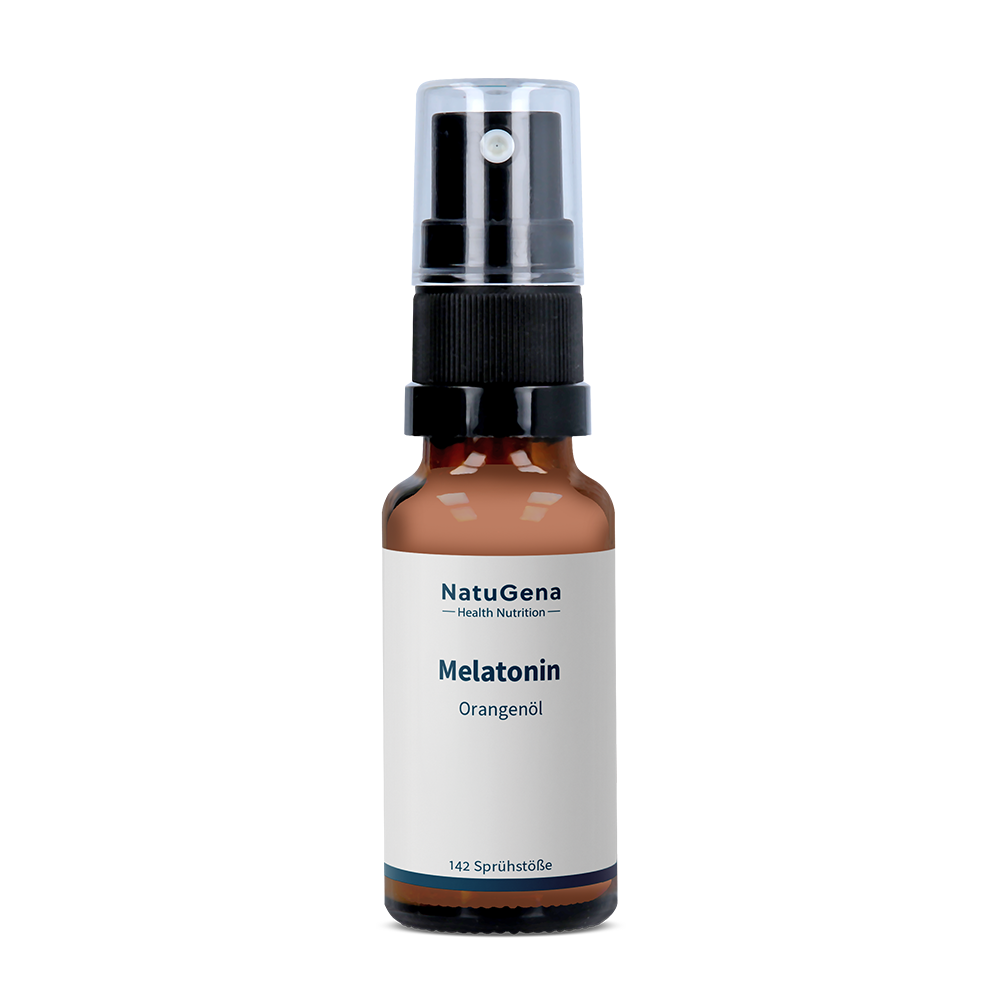
Melatonin
Melatonin NanoSpray
Liposomal melatonin spray with 1 mg of melatonin per spray and natural orange flavor.


19,95 €
Other Articles
16.10.2026 Redaktion
Daylight Saving Time and Sleep Problems: Why Does Your Internal Clock Resist the Time Change?
The alarm goes off, but your head feels heavy. Although the clocks are turned back by one hour in autumn, seemingly allowing more time for rest, your usual routine can be thrown off balance. Many people struggle to fall asleep in the evening or wake up feeling exhausted.
Read more
12.10.2026 Redaktion
Omega-3 for Children: What Parents Should Keep in Mind in Everyday Family Life
Many parents are familiar with situations like these: Their child seems restless, has difficulty concentrating, or quickly feels overwhelmed. Homework takes forever, attention constantly shifts, and at the same time, the child finds it difficult to relax.
Read more
15.10.2026 Redaktion
Creamy Pumpkin and Ginger Soup with Omega-3
As the days grow cooler, warming meals and a targeted intake of micronutrients can support overall well-being. A creamy pumpkin and ginger soup is the perfect autumn classic – and with one simple trick, it can be transformed into a source of valuable nutrients!
Read more