
10.01.2024 Prof. Dr. rer. nat Michaela Döll
Vegetarian and vegan diets – health benefits and possible risks
Around 7 million vegetarians live in Germany. Around 1.6 million people in this country follow a vegan diet. The reasons for these diets vary greatly. In addition to health aspects, ecological, ethical and religious aspects also play a role. For years, nutritional research institutions and professional societies have been calling for a reduction in meat consumption (especially processed meat). Although the consumption of these foods is declining, it currently stands at 52 kilograms per person per year (statistically speaking). The DGE (German Nutrition Society) recommends limiting meat consumption to a maximum of 600 grams per week and per person. A return to a plant-based diet is recommended by expert bodies, as vegetarianism offers a range of health and environmental benefits. In certain phases of life (e.g. growth, pregnancy, breastfeeding, old age), the sufficient supply of proteins and micronutrients may be deficient due to additional requirements or life circumstances (age). The particularly strict form of vegetarian nutrition - veganism - carries a particular risk of various deficiencies. This should be kept in mind, especially when using this diet for a long time.
Vegetarianism – a diet with many variations
The term "vegetarianism" is taken from the English "vegetarian", but is derived from the Latin "vegetare" (to invigorate, strengthen, give strength). The vegetarian diet is characterized by the renunciation of meat. Foods derived from dead animals are taboo. Nevertheless, there are a number of variants of this diet. For example, ovo-lacto-vegetarians include animal products such as eggs, milk and dairy products. Pesco-vegetarians and vegetarians eat fish (but no eggs and dairy products). Frutarians only eat plant-based foods that are not associated with the degradation or even destruction of plants. For example, fruit that falls from the tree (without having been picked by human hands) is valued. The so-called "pudding vegetarians" abstain from animal food, but eat primarily (unhealthy) white flour products and sweets. The strictest form of vegetarian diet is the vegan diet. Here, all foods derived from animals (e.g. honey) and other products (e.g. leather, fur) are avoided.
Vegetarianism is not a reinvention of modernity
The origins of the vegetarian diet go back to ancient Greece. The Greek philosopher and mathematician Pythagoras (born 570 BC) was already in favor of abstaining from animal food, although it cannot be entirely proven that the great natural scientist actually abstained from all meat. In any case, he wrote: "As long as humans slaughter animals, humans will also kill each other". He saw the purity of the soul in a vegetarian diet. In the Middle Ages, it was the humanist Jean Jaques Rousseau (1712 - 1778) who studied the teachings of Pythagoras and pointed out the benefits of a purely plant-based diet. At the beginning of the 19th century, the first vegetarian associations were founded in Great Britain and the "modern" vegetarian movement also got underway in North America. There, the two Kellog brothers in particular contributed to its spread. They were members of the "Seventh Day Adventist", whose denomination recommends a plant-based to vegetarian diet. In Germany, it was Gustav Struve who was instrumental in founding the first German vegetarian association ("Vegetarische Gesellschaft Stuttgart") in 1868. Wilhelm Zimmermann, who came into contact with the British vegetarian movement during his travels through Great Britain, also advocated vegetarianism in his publication "Der Weg zum Paradies" (1843). And finally, Eduard Baltzer founded a free-religious congregation in Germany in 1847, from which the first German vegetarian association emerged. In his four-volume guide "The Natural Way of Life", he recommends completely abstaining from animal food. The first vegetarian congress took place in Dresden in 1908. Interrupted by the events of the two world wars, vegetarianism only regained momentum in the 1950s. In 1985, the umbrella organization ("European Vegetarian Union") was founded, to which more than 200 organizations belong.
"Nothing will increase the chance of survival on earth as much as the step towards a vegetarian diet." (Albert Einstein)
Health benefits – fewer chronic diseases
A (wholefood) meat-free diet offers a number of health benefits compared to a mixed diet. As large studies have shown, these relate to overall mortality and the incidence of overweight and obesity and the incidence of diabetes mellitus, cardiovascular disease, gout and various cancers over a comparable period of years to decades, although the correlation for cancer is not clear or significant. For example, a large cohort study involving 96,000 people (Adventist Health Study II) showed that a vegetarian diet was associated with a lower overall mortality rate and a lower incidence of obesity, diabetes mellitus, metabolic syndrome and high blood pressure. The Mediterranean diet, which is rich in vegetables, nuts, olive oil - but also fish - also shows benefits in terms of cardiovascular health, as the PERIMED study (Primary Prevention of Cardiovascular Disease with a Mediterranean Diet) was able to show. A large meta-analysis, in which a total of 86 cross-sectional studies and 10 prospective cohort studies were evaluated, also showed a clear advantage in terms of BMI (body mass index), blood lipid levels, blood glucose levels and cardiovascular mortality for people on a vegetarian diet compared to omnivores. Here - in the case of the meat-free diet - the overall mortality from cancer was also reduced, whereas there was no difference in the incidence of the selected types of cancer observed (e.g. breast, prostate and lung cancer).
The assessment of possible health benefits of veganism is not straightforward as vegans are often aware of possible deficiencies and substitute micronutrients such as vitamin B12. In this context, a recent publication on the EPIC-Oxford study is of interest, which has shown that the plant-based diet is associated with a 20% increased risk of stroke compared to mixed diets when accompanied by a vitamin B12 deficiency. The possible lack of vitamin B12 (but also of zinc and iron) is also discussed as a cause of depression, which occurs more frequently with vegetarianism (compared to a mixed diet). In a meta-analysis, in which data from almost 9700 men (vegetarians and non-vegetarians) were analyzed, it was found that the vegetarian subjects had an approximately 30 to 40% higher risk of developing depression - especially moderate to severe depression. A recently published meta-analysis came to a similar conclusion. Further clinical studies will certainly have to follow.
Are vegetarians and vegans sufficiently supplied with micronutrients?
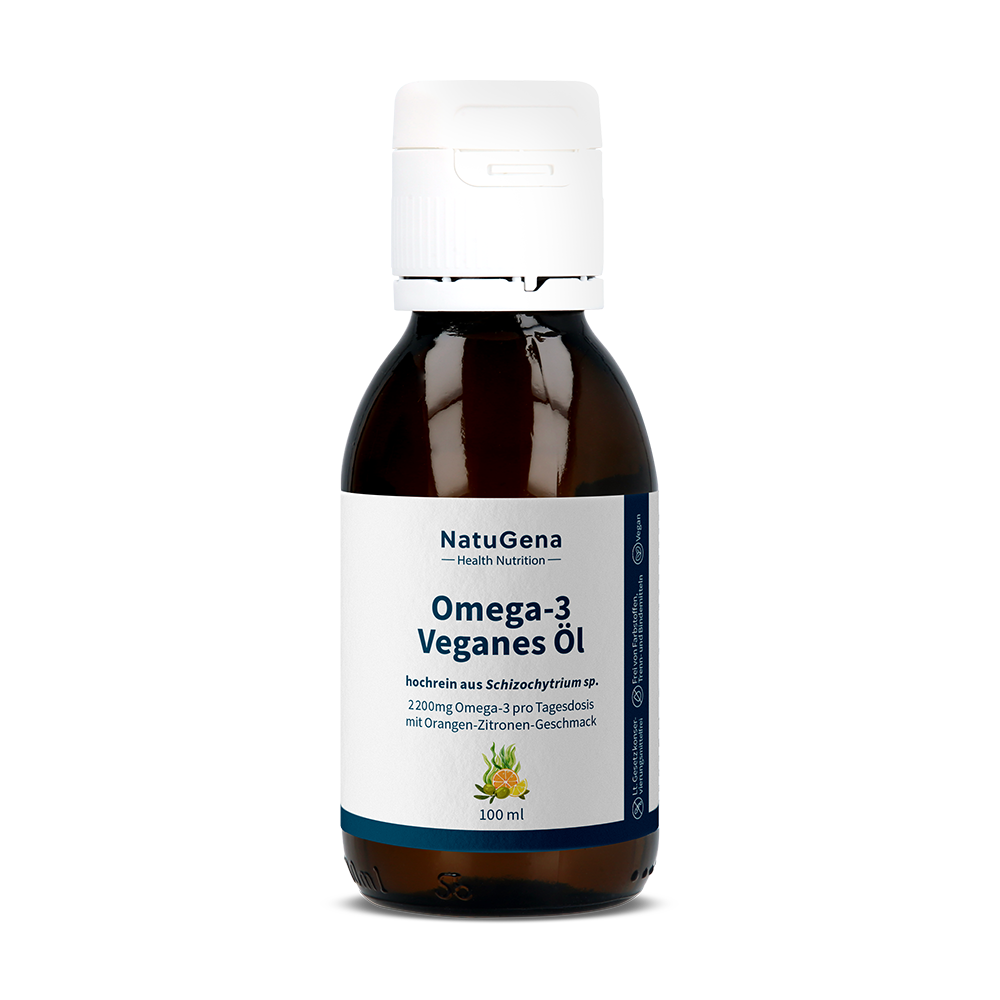
As shown, a plant-based diet (especially ovo-lacto-vegetarianism) offers health benefits. The (whole-food) vegetarian diet provides macro- and micronutrients and, above all, a lot of protective secondary plant substances (such as fiber, polyphenols, carotenoids). However, there are a number of different phases of life that are associated with special requirements (especially with regard to micronutrients) and (sufficient) nutritive supply is not necessarily guaranteed by a purely vegetarian or vegan diet. These include pregnancy and breastfeeding. Here there is a relatively small increase in food energy but generally a high need for vitamins, electrolytes and proteins. There is a significant additional requirement for B vitamins such as folic acid (by 50%), vitamin B6 (by almost 60%), vitamins B1 and B2 (approx. 20 to 25%), vitamin B12 (by approx. 15%), vitamin A (by approx. 35%), iron (by 100%), zinc (by 40%), iodine (by approx. 15%) and proteins (by 20 to 25%). Vitamin D3 is also important for the development of the foetus and is often present in insufficient concentrations in the body throughout the population and therefore also during pregnancy. It is not uncommon for such a micronutrient deficiency to be a (co-)cause of an unfulfilled desire to have children. As animal products are good sources of B vitamins, an ovo-lacto-vegetarian diet with a high proportion of wholegrain products and pulses is recommended. A deficiency of these micronutrients can be associated with developmental delay, an increased risk of fetal maldevelopment and premature birth or miscarriage, among other things. Omega-3 fatty acids, especially docosahexaenoic acid (DHA), which are required for the development of the fetal brain and eye, are among the critical nutrients that are increasingly needed during pregnancy (and breastfeeding). Pregnant and breastfeeding vegetarians - and especially women who follow a vegan diet during this time - should ensure that they have an adequate supply. Plant sources of omega-3 fatty acids can be microalgae (algae oil), for example. Children and adolescents also have an increased need for micronutrients, which is not always guaranteed, especially for children on a vegan diet. Critical elements here are primarily vitamin B12, iodine, calcium, iron and zinc. The absorption of the trace element zinc is generally limited due to the simultaneous presence of phytates in plant-based foods (e.g. in whole grains) - in comparison to utilization from animal foods. Even in old age (> 65 years), the ovo-lacto-vegetarian diet is considered a dietary form that is fundamentally suitable for an adequate supply of nutrients and micronutrients, although there are hardly any studies on the supply situation. Many older people also suffer from various deficiencies as "mixed dieters". The reasons for this are complex (social components, dental problems, absorption restrictions, loss of smell and taste, medication) and affect people on a vegetarian diet in the same way. Here too, proteins as well as vitamin B12, vitamin D and calcium are among the particularly critical micronutrients.
Critical macro- and micronutrients in vegetarianism (and especially veganism):
-
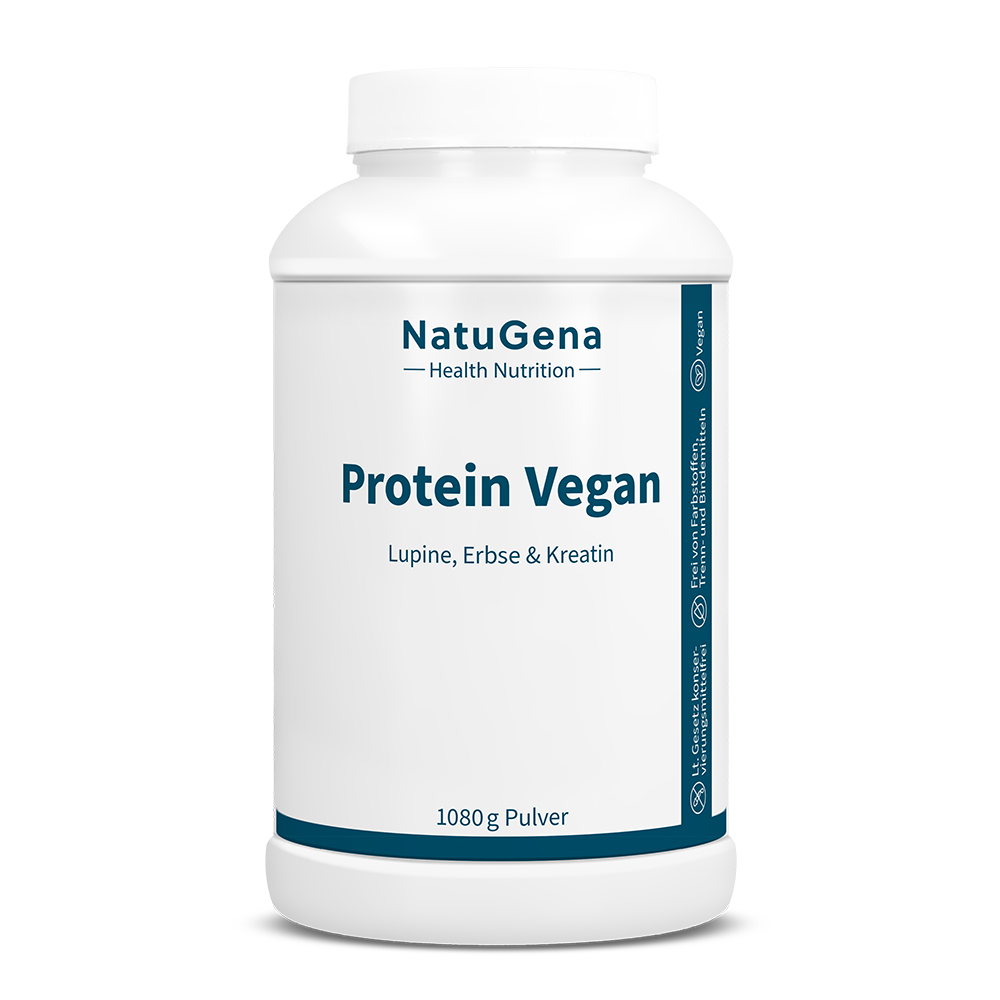
Proteins
-
B vitamins, especially vitamin B12
-
Vitamin D
-
Calcium
-
Iodine
-
Zinc
-
Iron
-
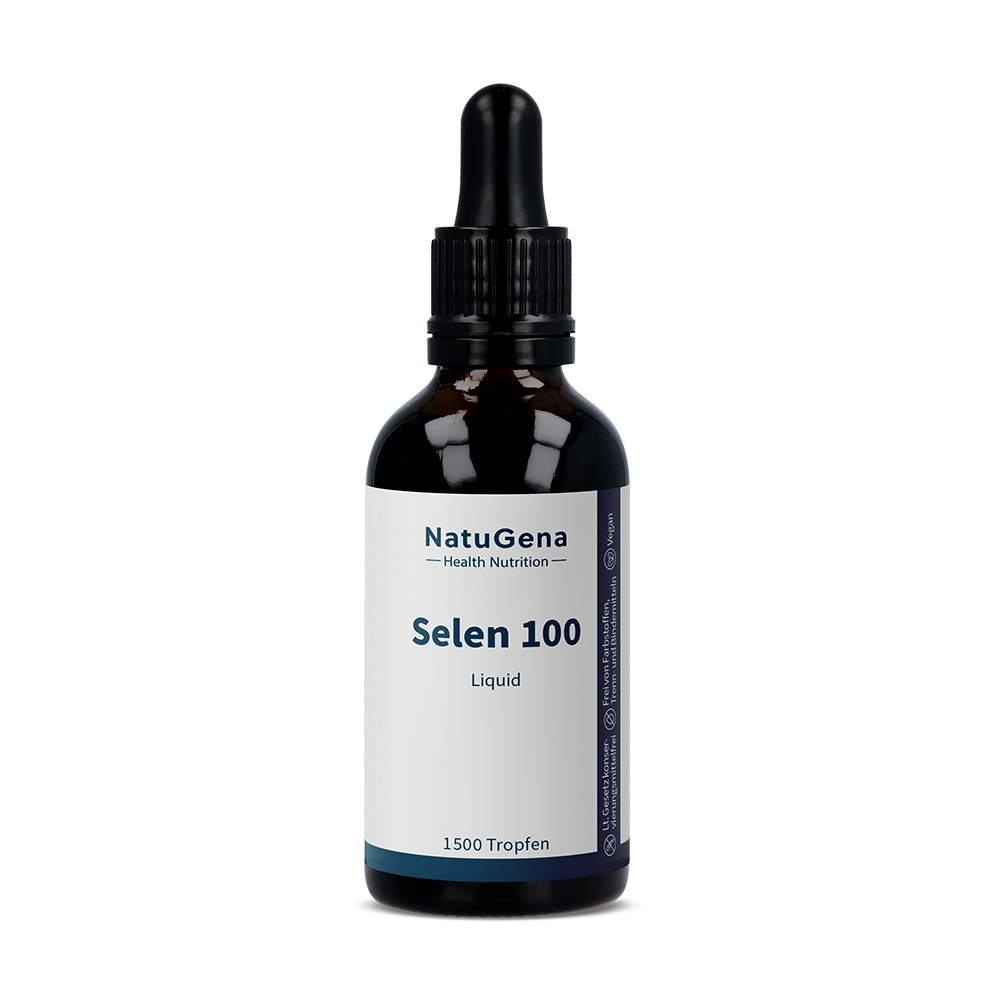
Selenium
-
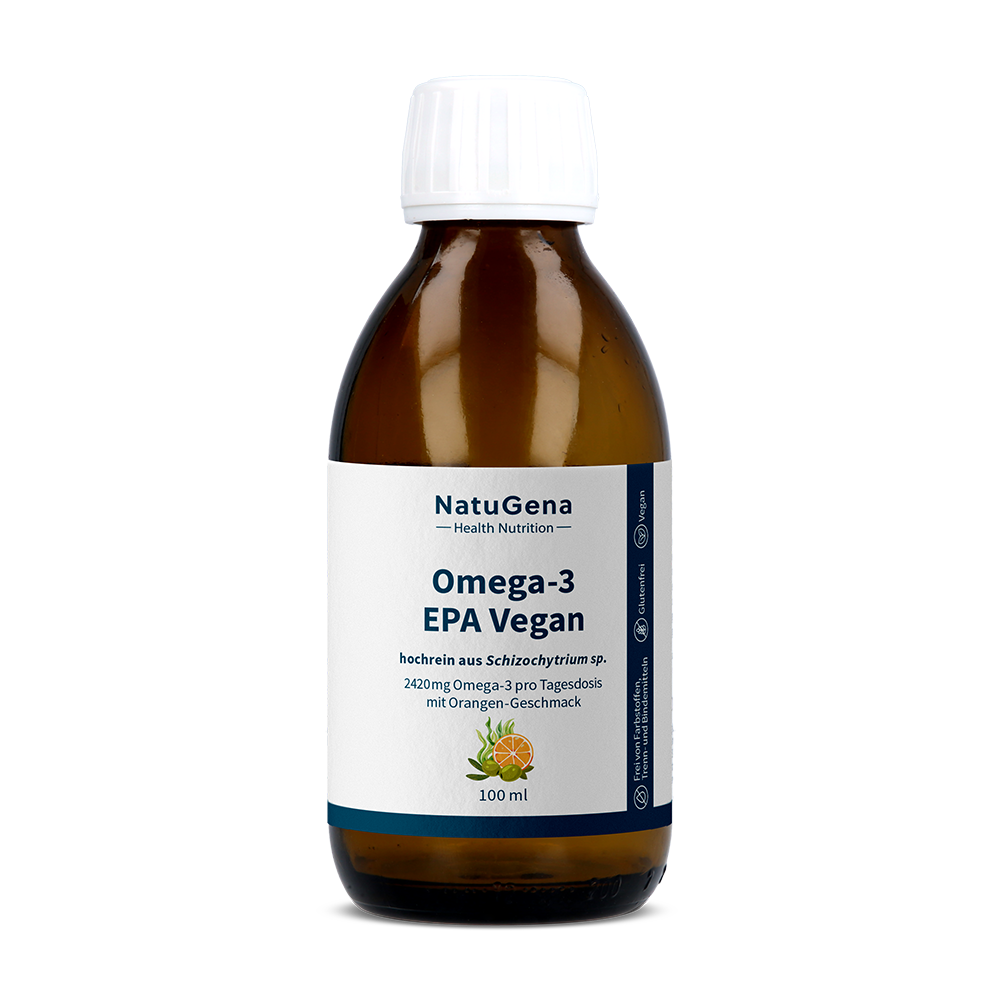
Omega-3-fatty acids
Summary / Conclusion
A purely plant-based diet offers a number of health-relevant benefits. However, it should be noted - with regard to the evaluation of the positive study results - that vegetarians are generally more health-conscious than mixed dieters and pay attention to a healthy lifestyle, which is also important for the prevention of chronic degenerative diseases. This type of diet does not always guarantee an adequate supply of proteins and various micronutrients. In the case of a vegan diet, the DGE (German Nutrition Society) advises supplementing critical nutrients (in any case with vitamin B12) to avoid a possible deficiency. It is also recommended to keep an eye on the supply of critical nutrients and micronutrients and to have them checked regularly in order to detect and correct any deficiencies in good time.
References (selection)
-
Avnon T. et al.: The impact of a vegan diet on pregnancy outcomes. .J Perinatol. 2021 May;41(5):1129-1133. doi: 10.1038/s41372-020-00804-x.
-
Dinu M. et al.: Vegetarian, vegan diets and multiple health outcomes: A systematic review with meta-analysis of observational studies. Crit Rev Food Sci Nutr 2017, 57, 3640-3649. Doi: 10.1080/10408398.2016.1138447
-
Djekic D. et al.: Effects of Vegetarian Diet on Cardiometabolic Risk Factors, Gut Microbiota and Plasma Metabolome in Subjects With Ischemic Heart Disease: A Randomized Crossover Study. J Am Heart Assoc. 2020 Sep 15;9(18):e016518. doi: 10.1161/JAHA.120.01651
-
Estruch R et al. Retraction and Republication: Primary Prevention of Cardiovascular Disease with a Mediterranean Diet. N Engl J Med 2013;368:1279-90. N Engl J Med 2018 21;378(25):2441-2442. Doi: 10.1056/NEJMc1806491
-
Hibbeln J. et al.: Vegetarian diets and depressive symptoms among men. J Affect Disord 2018: 225: 13-17. Doi: 10.1016/j.jad.2017.07.051
-
Jain R. et al.: Association between vegetarian and vegan diets and depression: A systematic Review. Nutr Bull 2022 Mar;47(1):27-49. doi: 10.1111/nbu.12540.
-
Koch CA. et al.: Vegetarian or vegan diets and blood lipids: a meta-analysis of randomized trials. Eur Heart J. 2023 Jul 21;44(28):2609-2622. doi: 10.1093/eurheartj/ehad211.
-
Ocklenburg S. et al.: Vegetarian diet and depression scores: A meta-analysis. J Affect Disord 2021. 294: 813-815. Doi: 10.1016/j.jad.2021.07.098.
-
Orlich M. et al.: Vegetarian diets in the Adventist Health Study 2: a review of initial published findings. Am J Clin Nutr 2014; 100 Suppl 1 (1): 353S-8S. Doi: 10.3945/ajcn.113.071233
-
Termannsen AD. et al.: Effects of vegan diets on cardiometabolic health: A systematic review and meta-analysis of randomized controlled trials. Obes Rev. 2022 Sep;23(9):e13462. doi: 10.1111/obr.13462.
-
Tong T. et al.: Risks of ischaemic heart disease and stroke in meat eaters, fish eaters, and vegetarians over 18 years of follow-up: results from the prospective EPIC-Oxford study. BMF 2019: 366. DOI: 10.1136/mbj.14897
Unsere Empfehlungen
Other Articles

22.10.2026 Redaktion
Blue Light and Sleep: How Our Daily Habits Disrupt the Sleep-Wake Cycle
Using smartphones, working on computers, and streaming TV series – especially right before bedtime – can interfere with the function of our pineal gland. Among other things, this small gland regulates the release of the hormone melatonin, which is normally produced in greater amounts as darkness falls in the evening.
Read more
16.10.2026 Redaktion
Daylight Saving Time and Sleep Problems: Why Does Your Internal Clock Resist the Time Change?
The alarm goes off, but your head feels heavy. Although the clocks are turned back by one hour in autumn, seemingly allowing more time for rest, your usual routine can be thrown off balance. Many people struggle to fall asleep in the evening or wake up feeling exhausted.
Read more
12.10.2026 Redaktion
Omega-3 for Children: What Parents Should Keep in Mind in Everyday Family Life
Many parents are familiar with situations like these: Their child seems restless, has difficulty concentrating, or quickly feels overwhelmed. Homework takes forever, attention constantly shifts, and at the same time, the child finds it difficult to relax.
Read more