
24,95 € 12,48 €
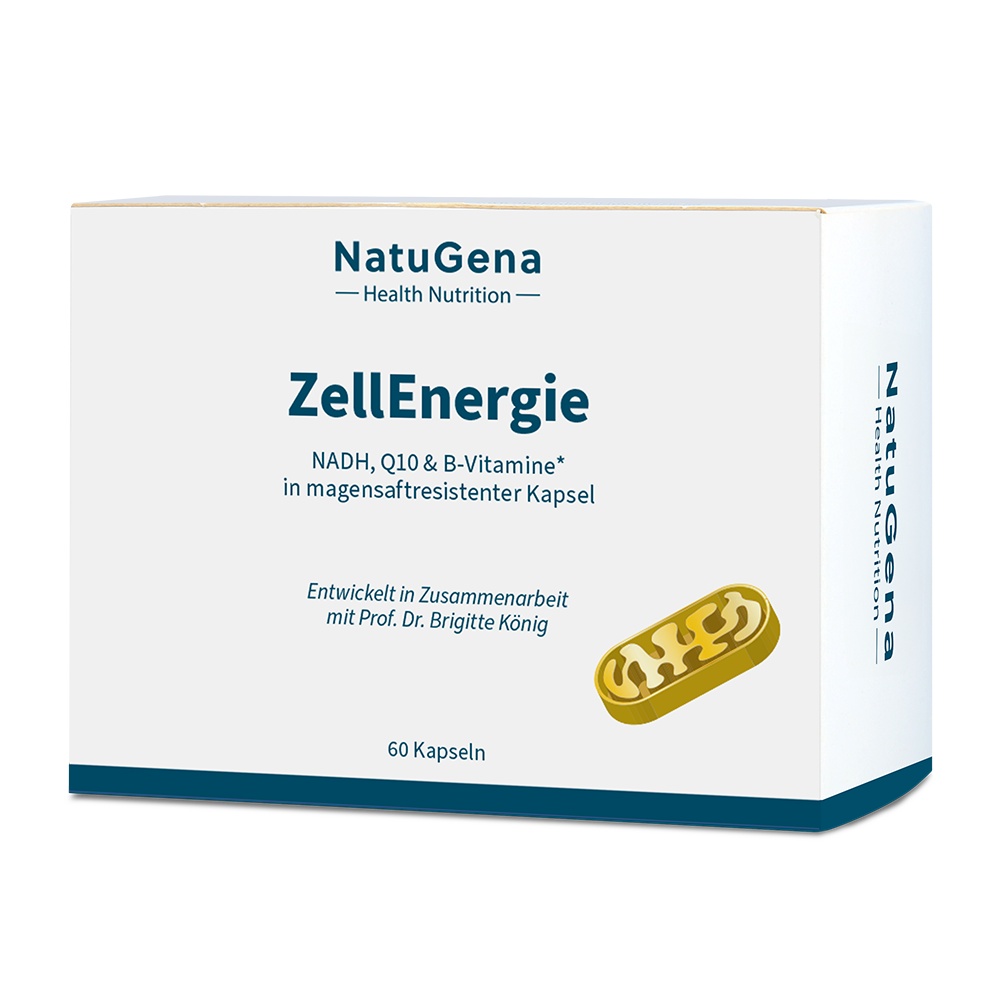
CellEnergy
10 mg NADH & 150 mg Coenzym Q10
Orderable
- Free of dyes
- Gluten-free
- Preservative-free as required by law
- Lactose-free
- Vegan
- Free of anti-caking and binding agents
Product Type
nutritional supplement
Content
60 capsules (size 0)
for 60 days
| Price Tiers |
| from 1 Pieces | 49,95 € |
| from 3 Pieces | 44,95 € |
| from 5 Pieces | 42,95 € |
CellEnergy by NatuGena – Valuable bioactive vitamins, trace elements and polyphenol-rich natural compounds in a unique formula. Developed in collaboration with Prof. Dr. rer. nat. Brigitte König. CellEnergy provides comprehensive daily support with essential nutrients in just one capsule per day. 60 capsules for a 60-day supply.
- Energy metabolism support: Thiamine, riboflavin and niacin contribute to normal energy-yielding metabolism
- Each capsule now contains 150 mg Q10, enabling a daily intake of 300 mg when taken twice daily
- Comprehensive support: With magnesium taurate and R-alpha-lipoic acid for holistic cellular health
- Trans-resveratrol from Japanese knotweed: Extracted from one of the richest natural sources of resveratrol
- R-alpha-lipoic acid – biologically active: The natural, bioactive form of alpha-lipoic acid, efficiently utilised by the body
- Optimised magnesium form: Formulated with magnesium taurate for enhanced absorption and bioavailability
- Gastro-resistant capsules: Protect the active ingredients from stomach acid for improved intestinal absorption
- Vegan and vegetarian friendly
- Made in Germany: Exceptional purity and bioavailability for optimal nutrient uptake

CellEnergy contains a carefully selected blend of vitamins and minerals that support the body’s metabolic functions. Vitamin B2 (riboflavin-5-phosphate) acts as an antioxidant and contributes to protecting the entire organism. Vitamin B3 (nicotinamide) supports energy metabolism and helps reduce tiredness and fatigue. Vitamin B1 (thiamine) plays a role in energy-yielding metabolism and helps the body generate energy. The formula also includes NADH, a bioactive form of vitamin B3 found in cells and involved in key metabolic processes.
Coenzyme Q10 is a vital component of cellular energy production and acts as a key antioxidant. It operates within the mitochondria—the cell’s energy centres—and supports the formation of ATP, the primary energy carrier in cells. Thanks to its antioxidant properties, Q10 helps protect cells from oxidative damage caused by free radicals. It also contributes to the regeneration of other antioxidants, such as vitamins C and E, by stabilising them in their active forms.
Valuable support for cellular health
As we age, the body’s production of coenzyme Q10 can decline, affecting cellular health and energy output. Supplementation with Q10 is therefore valued for supporting mitochondrial function and enhancing the antioxidant capacity of cells, making it a valuable addition to daily nutrient intake.
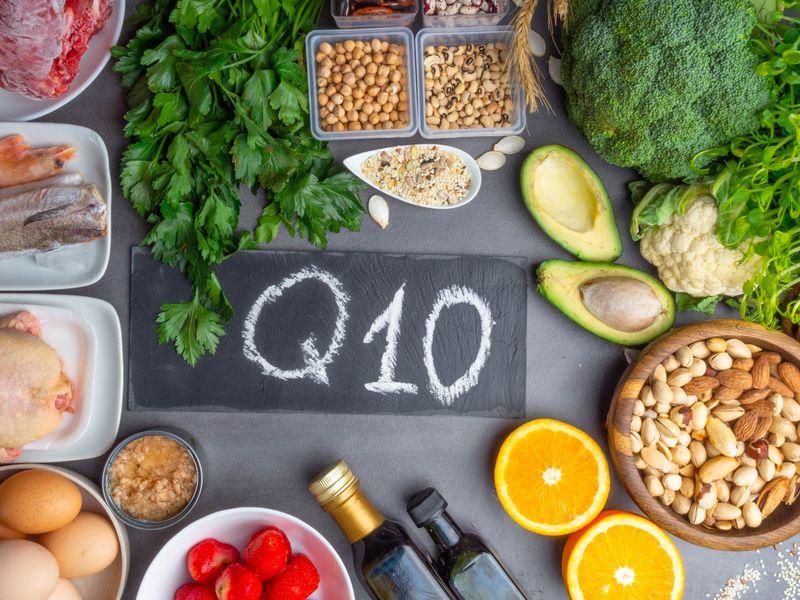
Coenzyme Q10 is primarily synthesised by the body, though production decreases with age. Natural sources include meat, fish, nuts and oils. Dietary intake averages just 3 to 6 mg per day, while supplementation can effectively raise tissue levels and has been deemed safe at doses of up to 1200 mg per day.
What is coenzyme Q10 and what is its role?
Coenzyme Q10 belongs to the quinone group and is ubiquitously present in the body’s cells—hence its name. It is a fat-soluble, vitamin-like coenzyme that has been thoroughly studied since its discovery in the mitochondria of animal cells. The “10” refers to the isoprenoid side chains in its structure, which underscore its role in cellular protection and energy generation.
CellEnergy contains trans-resveratrol, extracted from Japanese knotweed. Resveratrol is a naturally occurring polyphenol and pigment that gives many fruits, vegetables and grains their red colour. Of the two isomers—cis- and trans-resveratrol—only the trans-form delivers full biological and physical properties, adding an extra antioxidant component to CellEnergy.
The minerals in CellEnergy, such as iron and copper, are present in optimised forms for improved absorption, even at levels below 15% of the nutrient reference values (NRVs) for adults. Each capsule delivers 7% NRV for copper and iron—corresponding to 14% when taking two capsules daily. The combination with other valuable ingredients such as magnesium, R-alpha-lipoic acid and B vitamins makes CellEnergy a uniquely supportive formulation for the body.
Quality
- No separating agents, binding agents or colourants
- Free from genetic engineering, nanoparticles and animal testing
- Hypoallergenic and sensitive formulations (e.g. free from lactose, soya and gluten where possible)
- Ultra-pure, plant-based coating agents (HPMC) and food-safe, light-protected containers
- Free from unwanted additives such as PEG, silicon dioxide, magnesium stearate & titanium dioxide
- Premium raw materials from pure substances
- Regular, independent testing for harmful substances
- Production in accordance with German quality standards (GMP, HACCP, ISO 9001)
Recommended Consumption
Consumption recommendation
1 capsule once daily. It is best to take it at least 30 minutes before or 90 minutes after a meal with 250 ml of still, lukewarm water or, alternatively, with a teaspoon of omega-3 oil to increase bioavailability.
Notes
Food supplements should not be used as a substitute for a balanced and varied diet and a healthy lifestyle. Keep out of reach of small children. Store closed, in a cool, dry place away from light. Do not exceed the recommended daily intake stated. Should not be consumed by pregnant or breastfeeding women or children under the age of 18.*
* in accordance with §54 LFGB (German Federal Law on Foodstuffs and Animal Feed)
Content
| Ingredients per | daily dose | NRV¹ |
|---|---|---|
|
Coenzyme Q10
|
150 mg
|
|
| Knotage extract | 26 mg | |
| - of which trans-resveratrol | 25 mg | |
| NADH | 10 mg | |
| R-alpha-lipoic acid | 75 mg | |
| Vitamin B1 (thiamine) | 5 mg | 455 |
| Vitamin B2 (R5P; bioactive) | 25 mg | 1786 |
| Vitamin B3 (niacine) | 50 mg | 312,5 |
1 Reference intakes for the average adult according to VO (EU) 1169/2011 (in %).
Composition
Ubiquinone, magnesium taurate, coating agent:hydroxypropyl methylcellulose (HPMC); R-alpha-lipoic acid, nicotinamide,riboflavin-5-phosphate, knotweed extract, nicotinamide adenine dinucleotide, thiamine hydrochloride, iron II fumarate, copper II gluconate*.
*) contained amount very low, below 0.5 NRV
cell energy cell energy ATP
Blog Articles
There are no blog texts available for this product.
FAQ
Diese Frage berührt die biochemischen Feinheiten der mitochondrialen Medizin. In der Wissenschaft wird der Überbegriff „Coenzym Q10“ für beide Zustandsformen des Moleküls verwendet.
In unserem Produkten MitochondrienAktivator und Zellenergie ist Coenzym Q10 ist in Form von Ubiquinon enthalten und wird durch die synergistische Wirkung von R-Alpha-Liponsäure, Trans-Resveratrol sowie den Vitaminen B1 bis B3 im Körper effizient in die bioaktive Form Ubiquinol umgewandelt.
MitochondrienAktivator Pulver und MitochondrienAktivator 44+14 enthalten Ubiquinon, als stabile Form von Coenzym Q10 innerhalb der komplexen Wirkstoffmatrix (z. B. mit Vitaminen und Aminosäuren). In der Rezeptur finden sich über 50 Cofaktoren für eine umfassende Versorgung der Mitochondrien.
Wir bieten noch ein reines Ubiquinon an, wenn die Cofaktoren schon separat eingenommen werden. Der menschliche Organismus ist in der Lage, Ubiquinon enzymatisch in die aktive Form (Ubiquinol) zu reduzieren.
Der Vollständigkeit halber finden Sie hier das Ubiquinol-Spray, die aktive Form, welche durch das Spray direkt über die Mundschleimhaut aufgenommen wird.
Zur Unterscheidung der beiden Formen finden Sie in diesem Blogartikel: Ubiquinol und Ubiquinon - die zwei Gesichter von Q10 weitere Informationen.
Most of our capsules can be opened without any concerns. The contents can be stirred into yogurt, plant-based yogurt, applesauce, smoothies, or juice, for example.
One of the reasons we encapsulate the ingredients is to keep their sometimes intense natural taste and smell as neutral as possible. When opened, the taste and smell may therefore be more noticeable.
Did you know? Our capsules can be easily opened by gently twisting them.
Please do not open: enteric-coated capsules
For certain bacterial and enzyme products, we use enteric-coated capsules. These should not be opened, as doing so may alter the intended release profile.
These include, for example:
- Bacterial preparations, such as HistaBakt, MakroAktiv, and BactoGena 21+2
- Enzyme products, such as N-Zymarase® Intest and N-Zymarase® Inflam. Exception: N-Zymarase Komplex contains betaine HCl, which is intended to take effect in the stomach; therefore, it does not have an enteric-coated capsule shell and can be opened
- Soft capsules with liquid contents, such as omega-3 capsules, are also not intended to be opened. In this case, you can switch to the liquid oil instead.
If you have any questions, please contact our advisory team at info@natugena.de.
From the very beginning, NatuGena has used exceptionally pure, plant-based HPMC capsules in the majority of its products. HPMC stands for hydroxypropyl methylcellulose and is made from plant-based cellulose.
Unlike many HPMC capsules commonly available on the market, the coating agents we use contain no carrageenan or PEG. Although they are more expensive, they meet our high standards for a carefully selected and transparent product composition.
Our plant-based HPMC capsules are:
- 100% plant-based cellulose (HPMC)
- Carrageenan-free
- PEG-free
- Gelatin-free
- GMO-free
- Free of allergens and irritants
What types of capsule shells are used in omega-3 products?
Special softgels are required for liquid oils. Our classic omega-3 capsules therefore contain a coating made from gelatin and glycerin and are not vegan.
In our vegan omega-3 capsules made from algae oil, the coating consists of glycerin and modified cornstarch and contains no gelatin. This makes these capsules suitable for a vegan diet.
The exact composition of each coating agent is clearly listed in the ingredients list.
It All Comes Down to the Composition
Conventional capsule shells may contain technical additives—such as anti-caking agents, release agents, or binders—due to the manufacturing process. These components aren’t always immediately apparent, as certain processing aids aren’t required to be listed in the ingredients list.
People who take several dietary supplements daily, in particular, regularly ingest not only the actual ingredients but also the respective capsule shells. That is why at NatuGena, we pay close attention not only to the quality of the nutrients and plant-based ingredients contained in our products but also to the composition and processing of the capsule shells. For us, transparency, purity, and quality go hand in hand.
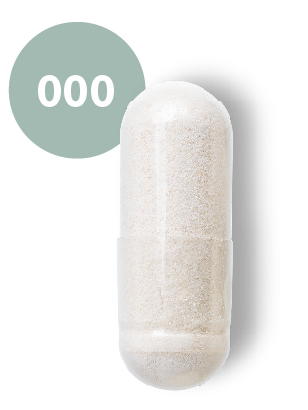
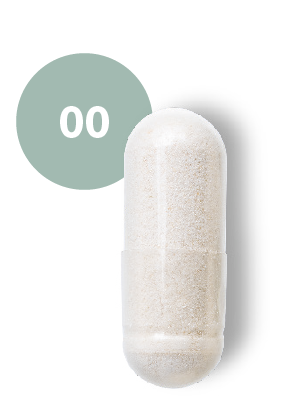
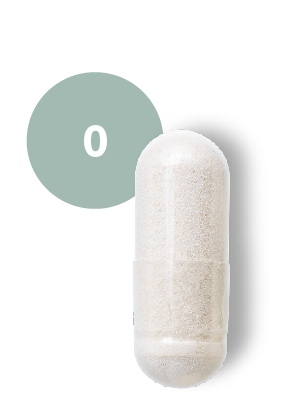
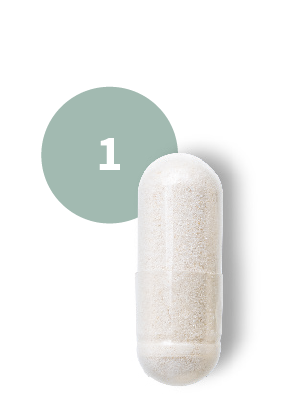
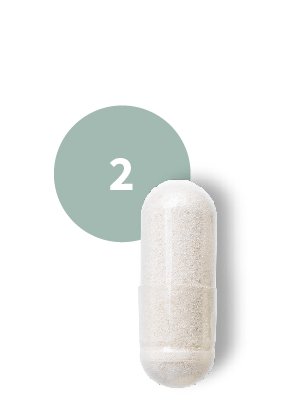
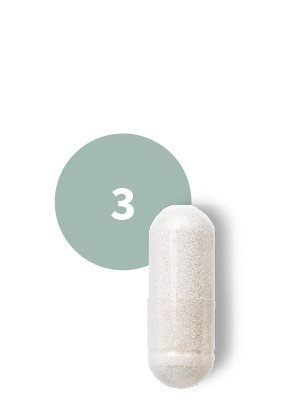
Most of the NatuGena capsule products are size 00 (8,2 × 23,3 mm) to 0 (7,3 × 21,2 mm). Information on the capsule sizes of individual products can be found on the relevant product page or by contacting info@natugena.de
 |
 |
 |
 |
 |
 |
|---|---|---|---|---|---|
| 9,5 × 26,1 mm | 8,2 × 23,3 mm | 7,3 × 21,2 mm | 6,6 × 19,0 mm | 6,1 × 17,3 mm | 5,6 × 15,4 mm |
| z. B. Lysin & Vitamin C, Monacolin K 3 |
z. B. Magnesia 7+1, MitochondrienAktivator 44+14, HeparAktiv |
z. B. ZellEnergie, MultiVegan, Astaxanthin |
z. B. HistaBakt, Bor, Bioaktiver B-Komplex |
not in use | z. B. Kupfer, LipoVitamine 10 000, Mangan-Komplex |
We work with the independent laboratory AgroLab, which we commission to perform microbiological and heavy metal tests.
In our microbiological testing, we measure the aerobic mesophilic plate count (total plate count), as well as the levels of Escherichia coli (E. coli), yeasts, Salmonella, molds, and staphylococci.
For heavy metals, we test for arsenic, lead, cadmium, and mercury in accordance with the limit values specified in Regulation (EU) 2023/915.
The optimal duration of use depends on the specific nutrient, your initial situation, diet, and individual requirements.
There is therefore no one-size-fits-all recommendation for how long a product should be taken. For products intended to support nutrient intake over a longer period, use over several weeks to months may be appropriate. In many cases, a period of around three months may be suitable before nutrient status and further requirements are reassessed.
In the case of diagnosed deficiencies, medical conditions, or the use of medication, the use of supplements should be individually discussed with a doctor or qualified healthcare professional.
The optimal time to take a supplement depends on the specific nutrient, individual tolerance, and the composition of the product. However, some ingredients can be particularly well suited to certain times of day or meals.
In the morning
Stimulating ingredients are often preferably taken in the morning or during the first half of the day. These include, for example:
- Coenzyme Q10
- Green tea extract
- Certain B vitamins
Especially for sensitive individuals, it may be advisable to avoid taking stimulating ingredients immediately before bedtime.
Throughout the day
For some nutrients, it may be beneficial to divide the daily amount into several doses.
Water-soluble vitamins such as B vitamins and vitamin C can be taken throughout the day.
Magnesium can also be divided into several doses rather than taking the entire daily amount at once. This may improve tolerance, particularly with higher amounts.
In the evening
Depending on the type of magnesium compound, taking it in the evening may be beneficial. Magnesium glycinate, for example, is often preferably taken in the evening.
In general, however, the best time to take a product also depends on when it is individually best tolerated and can be reliably incorporated into your daily routine.
With a meal
Some nutrients benefit from being taken together with a meal.
Fat-soluble vitamins A, D, E, and K can be taken together and ideally with a meal containing some fat.
Omega-3 fatty acids should also be taken regularly with a meal. Omega-3 oils can be combined well with fat-soluble vitamins.
Many plant-based ingredients can also be taken as part of a meal or together with omega-3 products. However, the optimal timing depends on the specific plant compound and product formulation.
Zinc can cause nausea or stomach discomfort on an empty stomach in some people. If you have a sensitive stomach, it is therefore advisable to take zinc with a meal.
Between meals
Iron is often taken separately from meals, as various foods and beverages can affect its absorption. It is particularly advisable to leave a gap between iron and:
- Coffee and tea
- Caffeinated beverages
- Milk and dairy products
- Calcium- or mineral-rich supplements
However, if you have a sensitive stomach, iron can also be taken with a meal. In this case, individual tolerance is more important than a theoretically optimal intake situation.
Enzyme supplements vary depending on their intended use: digestive enzymes are generally taken with meals. Products that are specifically intended to be taken between meals may, for example, be taken around 30 minutes before a meal. The product's specific recommended intake should always be followed.
Around exercise
Proteins and amino acids can be taken both before and after training.
If you exercise on an empty stomach, taking them around 30 minutes before training may be beneficial. If you have already eaten a protein-rich meal, you can also plan your protein intake for after training.
In general, ensuring sufficient protein intake throughout the entire day is more important than adhering to a narrow time window around your workout.
If you need this item on a long-term basis and are interested in a discounted subscription, you can find the terms and conditions on the Product Subscription page.
Country-specific information
This item may not be resold in the following countries: Switzerland
Legal notice
This product is for nutritional purposes and therefore does not affect the Heilmittelwerbegesetz (HWG). Good nutritional status is important for your general well-being. All statements made about the product describe properties and physiological effects that may naturally vary among consumers and do not represent any healing or health promises.
Responsible person for the EU
The economic operator based in the EU responsible for this product:
NatuGena GmbH, Münchener Str. 149, 85051 Ingolstadt, Germany,
+49 841 90 255 000, info@natugena.de, https://www.natugena.de
You May Also Be Interested in These Articles
HydroVitamine
Bioactive vitamin B and C complex
37,95 €
MonoDiTox
Cholin, artichoke, milk thistle, dandelion & nettle
49,95 €
MonoColor Curcuma 2000
Bio Curcuma, Curcumin C3 Complex®, Turmacin® & Lecithin
44,95 €
LipoVitamine 5000
Vitamin D3, E, K, A
37,95 €
CellEnergy
10 mg NADH & 150 mg Coenzym Q10
49,95 €
Zinc & Selenium
Zinc Picolinate & Sodium Selenite
19,95 €
Glutathione 500
Reduced glutathione
44,95 €
Vitamin C
PureWay-C® & Polyphenol Complex
37,95 €
Carnitin & Q10
Carnitine-Q10 Complex
44,95 €
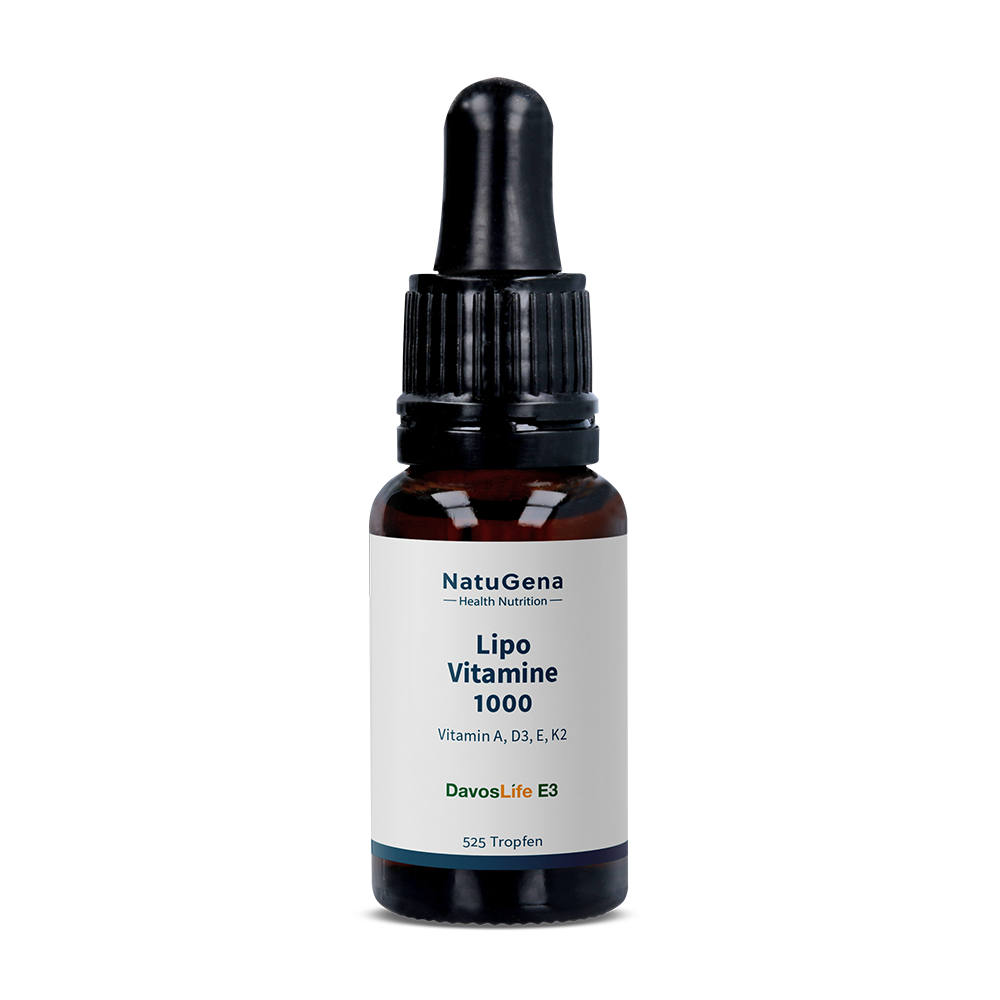
LipoVitamine 1000
Vitamin E, D3, K, A
34,95 €