• Mon–Fri 08:30–17:00
  • +49 841 90 255 000
  • +49 841 90 255 999
  • info@natugena.de
  • Login

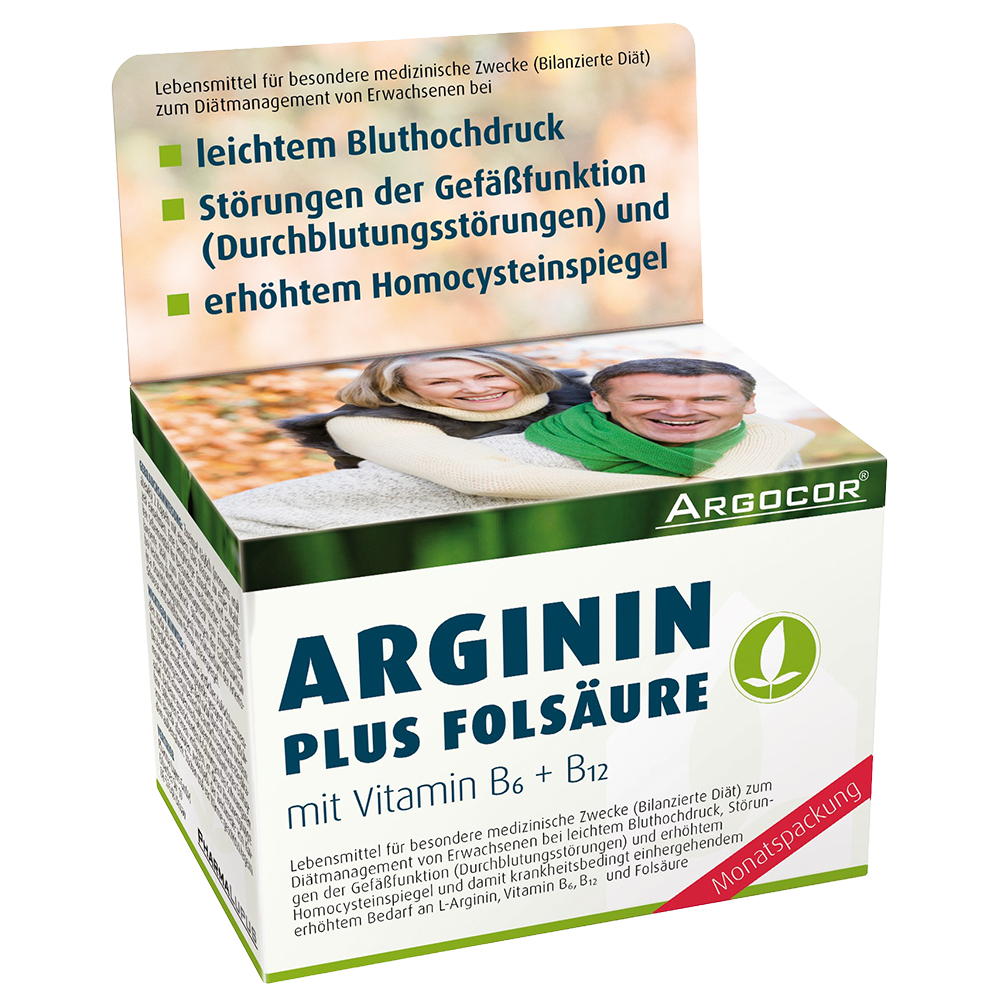
Arginin Plus Folsäure

Hochdosiertes Arginin mit Folsäure, B6 & B12
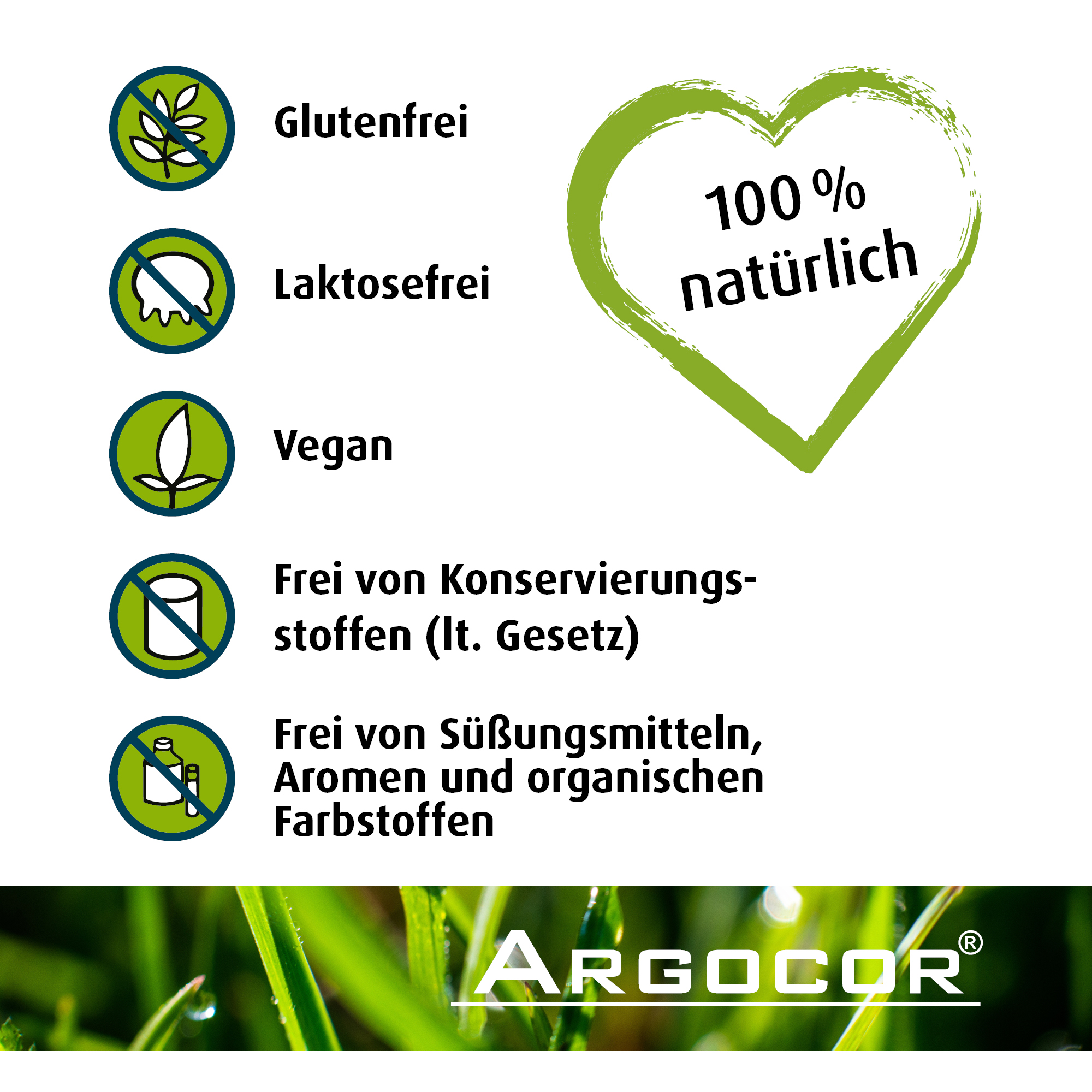
glutenfrei laut Gesetz konservierungsmittelfrei laktosefrei vegetarisch vegan

120 capsules (size 00) for 30 days

For the dietary management of vascular dysfunction and mild hypertension.

22,50
Quantity Price
from 122,50 €
from 320,25 €
from 519,13 €
Orderable
Delivery time 3–5 workdays Article No.: 4000050
EAN: 4260734510008
base price: 212,18 € per Kilogramm
incl. 7% VAT, plus shipping costs

Recommended intake

4 capsules once daily. Take at least 15 minutes before a meal with 250 ml of non-carbonated, lukewarm water.

Notes

Foods for special medical purposes (balanced diet). Only use the product under medical supervision. Should not be used as a substitute for a balanced and varied diet and a healthy lifestyle. Keep out of reach of small children. Store closed, in a cool, dry place, away from light. Do not exceed the recommended daily intake stated.

.

Not a medicinal product

Foods for special medical purposes (balanced diet): Do not exceed the recommended daily intake stated. Not a substitute for a balanced and varied diet and a healthy lifestyle.

Legal notice

Important note: Use only under medical supervision. This product is for nutritional purposes and therefore does not affect the Heilmittelwerbegesetz (HWG). Good nutritional status is important for your general well-being. All statements made about the product describe properties and physiological effects that may naturally vary among consumers and do not represent any healing or health promises.

The algae are cultivated in special organic fermenters made of stainless steel. This takes place in the dark, using appropriate carbon-containing nutrient solutions to ensure the algae develop optimally. Thanks to the closed system, there is no contact with fish or seawater, and no heavy metals, microplastics or other marine pollutants can enter our algae.

Während Nahrungsergänzungsmittel (NEM) für gesunde Menschen zur allgemeinen Ergänzung gedacht sind, dienen bilanzierte Diäten dem Diätmanagement von Patienten. Sie haben eine spezifische Zweckbestimmung für eine bestimmte Erkrankung oder einen medizinischen Zustand.

Because FSMPs are formulated for the physiological changes associated with specific illnesses, a healthcare professional must ensure the dosage and composition fit the individual therapy plan and do not interfere with other treatments.

No. They are classified as food. They do not "cure" diseases through pharmacological means but rather manage them nutritionally by correcting specific, disease-related nutrient deficiencies.

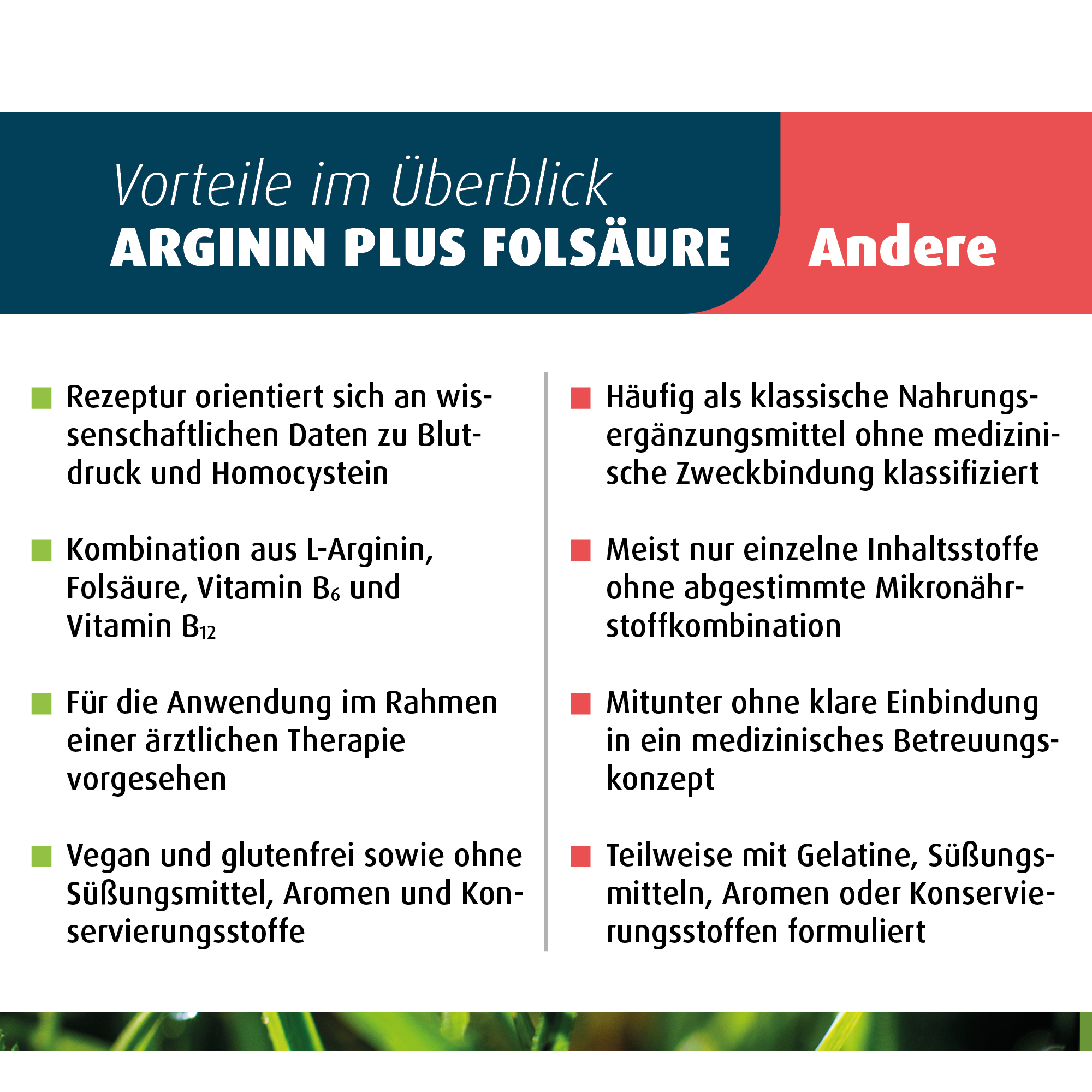
The formulations are based on current scientific findings and clinical data (e.g., RCTs). Every ingredient is selected for its proven contribution to the dietary management of the respective medical condition.

They are intended for patients whose nutritional intake or metabolism is impaired due to a medical condition and who require a specific, medically indicated nutrient profile.

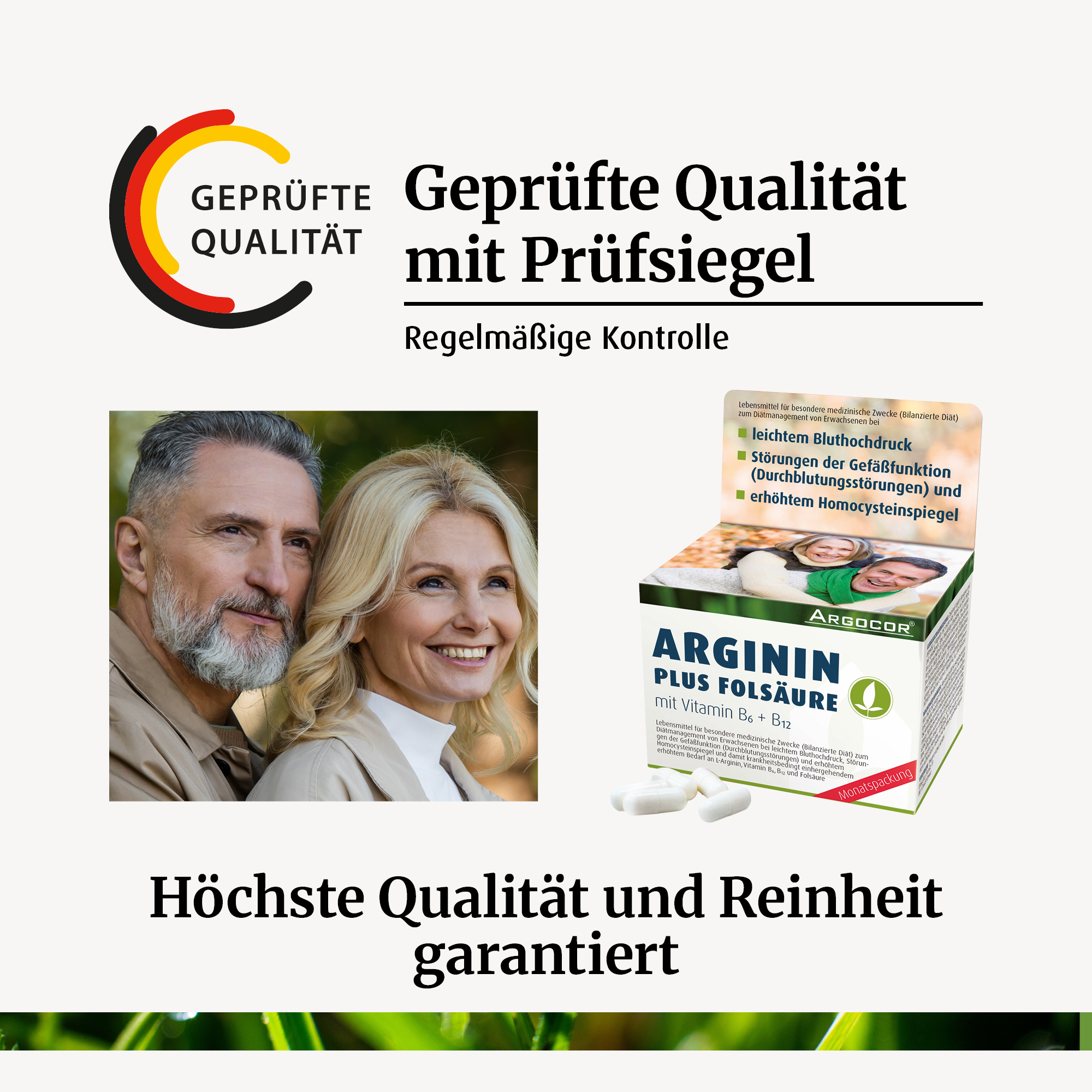
We work with the independent laboratory AgroLab, which we commission to perform microbiological and heavy metal tests.

In our microbiological testing, we measure the aerobic mesophilic plate count (total plate count), as well as the levels of Escherichia coli (E. coli), yeasts, Salmonella, molds, and staphylococci.

For heavy metals, we test for arsenic, lead, cadmium, and mercury in accordance with the limit values specified in Regulation (EU) 2023/915.

The optimal duration of use depends on the specific nutrient, your initial situation, diet, and individual requirements.

There is therefore no one-size-fits-all recommendation for how long a product should be taken. For products intended to support nutrient intake over a longer period, use over several weeks to months may be appropriate. In many cases, a period of around three months may be suitable before nutrient status and further requirements are reassessed.

In the case of diagnosed deficiencies, medical conditions, or the use of medication, the use of supplements should be individually discussed with a doctor or qualified healthcare professional.

The optimal time to take a supplement depends on the specific nutrient, individual tolerance, and the composition of the product. However, some ingredients can be particularly well suited to certain times of day or meals.

In the morning

Stimulating ingredients are often preferably taken in the morning or during the first half of the day. These include, for example:

  • Coenzyme Q10
  • Green tea extract
  • Certain B vitamins

Especially for sensitive individuals, it may be advisable to avoid taking stimulating ingredients immediately before bedtime.

Throughout the day

For some nutrients, it may be beneficial to divide the daily amount into several doses.

Water-soluble vitamins such as B vitamins and vitamin C can be taken throughout the day.

Magnesium can also be divided into several doses rather than taking the entire daily amount at once. This may improve tolerance, particularly with higher amounts.

In the evening

Depending on the type of magnesium compound, taking it in the evening may be beneficial. Magnesium glycinate, for example, is often preferably taken in the evening.

In general, however, the best time to take a product also depends on when it is individually best tolerated and can be reliably incorporated into your daily routine.

With a meal

Some nutrients benefit from being taken together with a meal.

Fat-soluble vitamins A, D, E, and K can be taken together and ideally with a meal containing some fat.

Omega-3 fatty acids should also be taken regularly with a meal. Omega-3 oils can be combined well with fat-soluble vitamins.

Many plant-based ingredients can also be taken as part of a meal or together with omega-3 products. However, the optimal timing depends on the specific plant compound and product formulation.

Zinc can cause nausea or stomach discomfort on an empty stomach in some people. If you have a sensitive stomach, it is therefore advisable to take zinc with a meal.

Between meals

Iron is often taken separately from meals, as various foods and beverages can affect its absorption. It is particularly advisable to leave a gap between iron and:

  • Coffee and tea
  • Caffeinated beverages
  • Milk and dairy products
  • Calcium- or mineral-rich supplements

However, if you have a sensitive stomach, iron can also be taken with a meal. In this case, individual tolerance is more important than a theoretically optimal intake situation.

Enzyme supplements vary depending on their intended use: digestive enzymes are generally taken with meals. Products that are specifically intended to be taken between meals may, for example, be taken around 30 minutes before a meal. The product's specific recommended intake should always be followed.

Around exercise

Proteins and amino acids can be taken both before and after training.

If you exercise on an empty stomach, taking them around 30 minutes before training may be beneficial. If you have already eaten a protein-rich meal, you can also plan your protein intake for after training.

In general, ensuring sufficient protein intake throughout the entire day is more important than adhering to a narrow time window around your workout.

Recommended intake

4 capsules once daily. Take at least 15 minutes before a meal with 250 ml of non-carbonated, lukewarm water.

Notes

Foods for special medical purposes (balanced diet). Only use the product under medical supervision. Should not be used as a substitute for a balanced and varied diet and a healthy lifestyle. Keep out of reach of small children. Store closed, in a cool, dry place, away from light. Do not exceed the recommended daily intake stated.

.

Not a medicinal product

Foods for special medical purposes (balanced diet): Do not exceed the recommended daily intake stated. Not a substitute for a balanced and varied diet and a healthy lifestyle.

Legal notice

Important note: Use only under medical supervision. This product is for nutritional purposes and therefore does not affect the Heilmittelwerbegesetz (HWG). Good nutritional status is important for your general well-being. All statements made about the product describe properties and physiological effects that may naturally vary among consumers and do not represent any healing or health promises.

The algae are cultivated in special organic fermenters made of stainless steel. This takes place in the dark, using appropriate carbon-containing nutrient solutions to ensure the algae develop optimally. Thanks to the closed system, there is no contact with fish or seawater, and no heavy metals, microplastics or other marine pollutants can enter our algae.

Während Nahrungsergänzungsmittel (NEM) für gesunde Menschen zur allgemeinen Ergänzung gedacht sind, dienen bilanzierte Diäten dem Diätmanagement von Patienten. Sie haben eine spezifische Zweckbestimmung für eine bestimmte Erkrankung oder einen medizinischen Zustand.

Because FSMPs are formulated for the physiological changes associated with specific illnesses, a healthcare professional must ensure the dosage and composition fit the individual therapy plan and do not interfere with other treatments.

No. They are classified as food. They do not "cure" diseases through pharmacological means but rather manage them nutritionally by correcting specific, disease-related nutrient deficiencies.

The formulations are based on current scientific findings and clinical data (e.g., RCTs). Every ingredient is selected for its proven contribution to the dietary management of the respective medical condition.

They are intended for patients whose nutritional intake or metabolism is impaired due to a medical condition and who require a specific, medically indicated nutrient profile.

We work with the independent laboratory AgroLab, which we commission to perform microbiological and heavy metal tests.

In our microbiological testing, we measure the aerobic mesophilic plate count (total plate count), as well as the levels of Escherichia coli (E. coli), yeasts, Salmonella, molds, and staphylococci.

For heavy metals, we test for arsenic, lead, cadmium, and mercury in accordance with the limit values specified in Regulation (EU) 2023/915.

The optimal duration of use depends on the specific nutrient, your initial situation, diet, and individual requirements.

There is therefore no one-size-fits-all recommendation for how long a product should be taken. For products intended to support nutrient intake over a longer period, use over several weeks to months may be appropriate. In many cases, a period of around three months may be suitable before nutrient status and further requirements are reassessed.

In the case of diagnosed deficiencies, medical conditions, or the use of medication, the use of supplements should be individually discussed with a doctor or qualified healthcare professional.

The optimal time to take a supplement depends on the specific nutrient, individual tolerance, and the composition of the product. However, some ingredients can be particularly well suited to certain times of day or meals.

In the morning

Stimulating ingredients are often preferably taken in the morning or during the first half of the day. These include, for example:

  • Coenzyme Q10
  • Green tea extract
  • Certain B vitamins

Especially for sensitive individuals, it may be advisable to avoid taking stimulating ingredients immediately before bedtime.

Throughout the day

For some nutrients, it may be beneficial to divide the daily amount into several doses.

Water-soluble vitamins such as B vitamins and vitamin C can be taken throughout the day.

Magnesium can also be divided into several doses rather than taking the entire daily amount at once. This may improve tolerance, particularly with higher amounts.

In the evening

Depending on the type of magnesium compound, taking it in the evening may be beneficial. Magnesium glycinate, for example, is often preferably taken in the evening.

In general, however, the best time to take a product also depends on when it is individually best tolerated and can be reliably incorporated into your daily routine.

With a meal

Some nutrients benefit from being taken together with a meal.

Fat-soluble vitamins A, D, E, and K can be taken together and ideally with a meal containing some fat.

Omega-3 fatty acids should also be taken regularly with a meal. Omega-3 oils can be combined well with fat-soluble vitamins.

Many plant-based ingredients can also be taken as part of a meal or together with omega-3 products. However, the optimal timing depends on the specific plant compound and product formulation.

Zinc can cause nausea or stomach discomfort on an empty stomach in some people. If you have a sensitive stomach, it is therefore advisable to take zinc with a meal.

Between meals

Iron is often taken separately from meals, as various foods and beverages can affect its absorption. It is particularly advisable to leave a gap between iron and:

  • Coffee and tea
  • Caffeinated beverages
  • Milk and dairy products
  • Calcium- or mineral-rich supplements

However, if you have a sensitive stomach, iron can also be taken with a meal. In this case, individual tolerance is more important than a theoretically optimal intake situation.

Enzyme supplements vary depending on their intended use: digestive enzymes are generally taken with meals. Products that are specifically intended to be taken between meals may, for example, be taken around 30 minutes before a meal. The product's specific recommended intake should always be followed.

Around exercise

Proteins and amino acids can be taken both before and after training.

If you exercise on an empty stomach, taking them around 30 minutes before training may be beneficial. If you have already eaten a protein-rich meal, you can also plan your protein intake for after training.

In general, ensuring sufficient protein intake throughout the entire day is more important than adhering to a narrow time window around your workout.

Responsible person for the EU

The economic operator based in the EU responsible for this product:

NatuGena GmbH
Münchener Str. 149, 85051 Ingolstadt, Deutschland

+49 841 90 255 000
info@natugena.de
https://www.natugena.de (Please note: By clicking on this link, you may leave natugena.de and be redirected to an external website. Please note that we are not responsible for the content of these websites.)

This could be interesting to you